






Dhanteras, also known as Dhantrayodashi, is one of the most significant festivals in the Hindu calendar. Celebrated two days before Diwali, it marks the beginning of the five-day festival of lights, which concludes with Bhai Dooj. The occasion holds special importance for Hindu households, with devotees observing traditional rituals and praying for wealth, good health and prosperity.
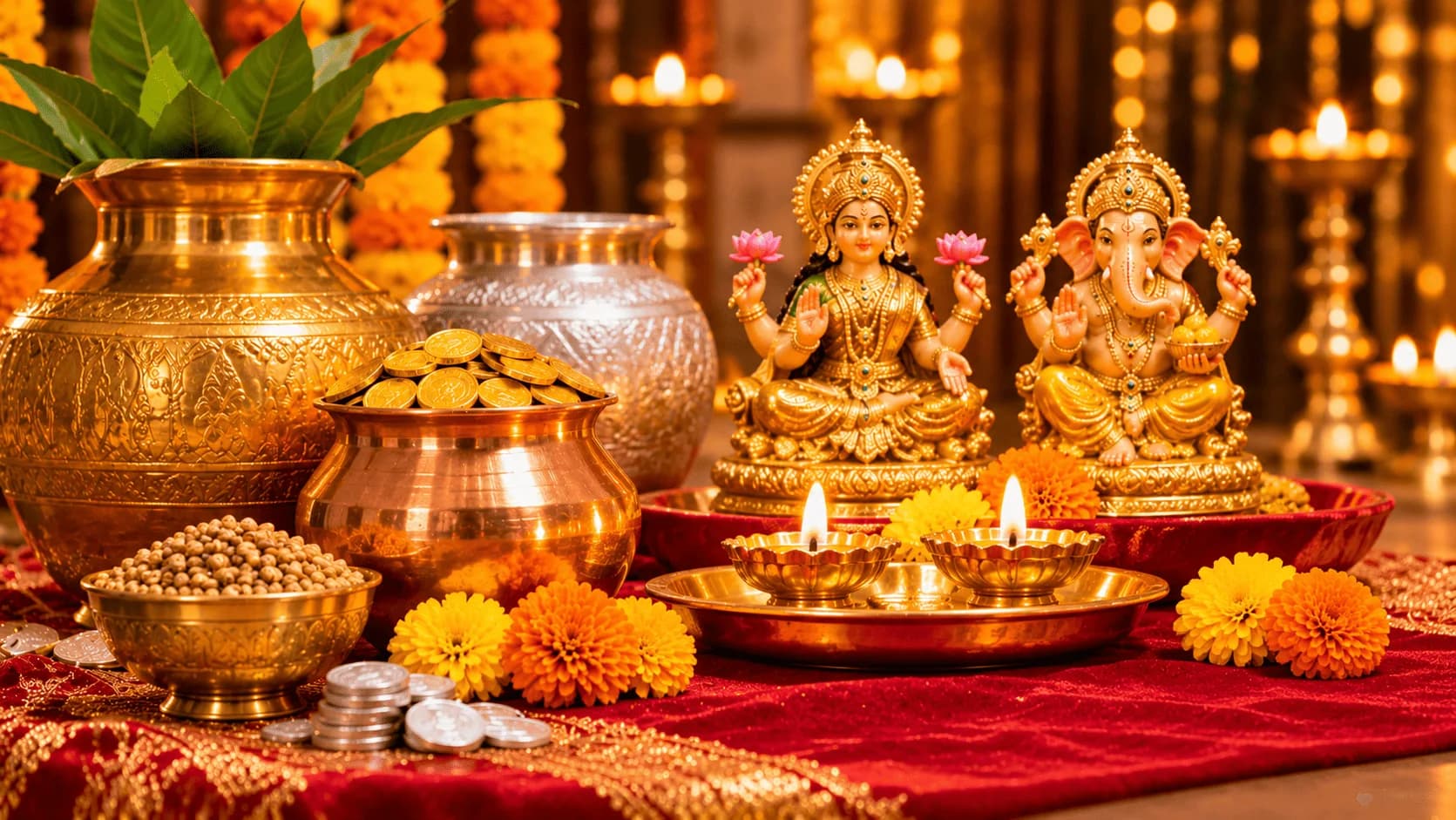
According to the Hindu Panchang, Dhanteras falls on the Trayodashi Tithi, or the thirteenth day of the lunar fortnight, in the month of Kartik. The festival is associated with the worship of Goddess Lakshmi, Lord Kuber, the deity of wealth, and Lord Dhanvantari, who is revered as the god of Ayurveda and medicine.
Why is Dhanteras celebrated? The mythological story behind the festival
The origins of Dhanteras are closely linked to the Samudra Manthan, or the churning of the cosmic ocean, described in Hindu mythology. According to the legend, Goddess Lakshmi emerged from the ocean during this divine event, symbolising wealth, fortune and prosperity. Her appearance is considered one of the reasons behind the festival’s association with financial well-being and abundance.
Lord Dhanvantari is also closely connected with Dhanteras. Hindu beliefs associate his appearance with the Samudra Manthan, when he emerged carrying a pot of Amrit, the divine nectar of immortality. He is worshipped as the divine physician, and devotees seek his blessings for good health and a long life.
Also Read | Diwali lore and the legends behind the festival of lights
Lord Kuber, the guardian of wealth, is another important deity worshipped during the festival. Together, these traditions give Dhanteras its association with both material prosperity and physical well-being.
Religious significance of Dhanteras
Dhanteras is regarded as an auspicious occasion to welcome good fortune into the household. While Goddess Lakshmi is worshipped for wealth and prosperity, prayers to Lord Kuber are associated with financial stability. Worshipping Lord Dhanvantari reflects the importance of health and wellness in everyday life.
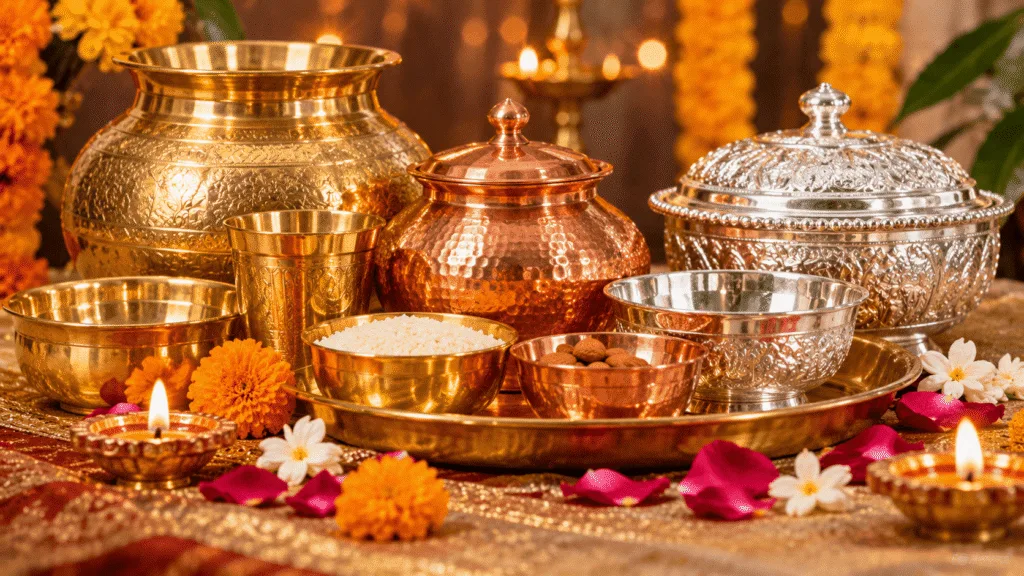
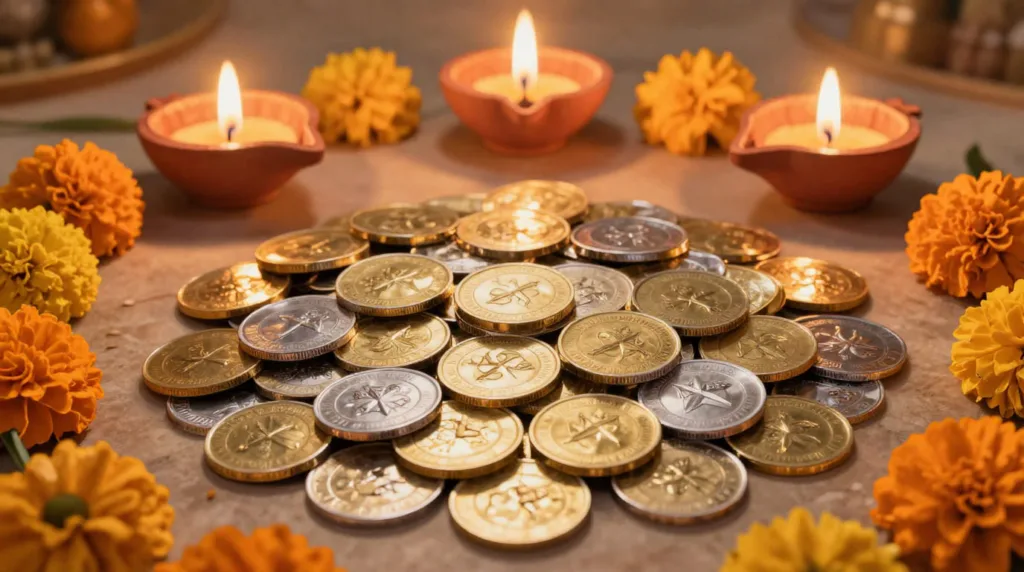
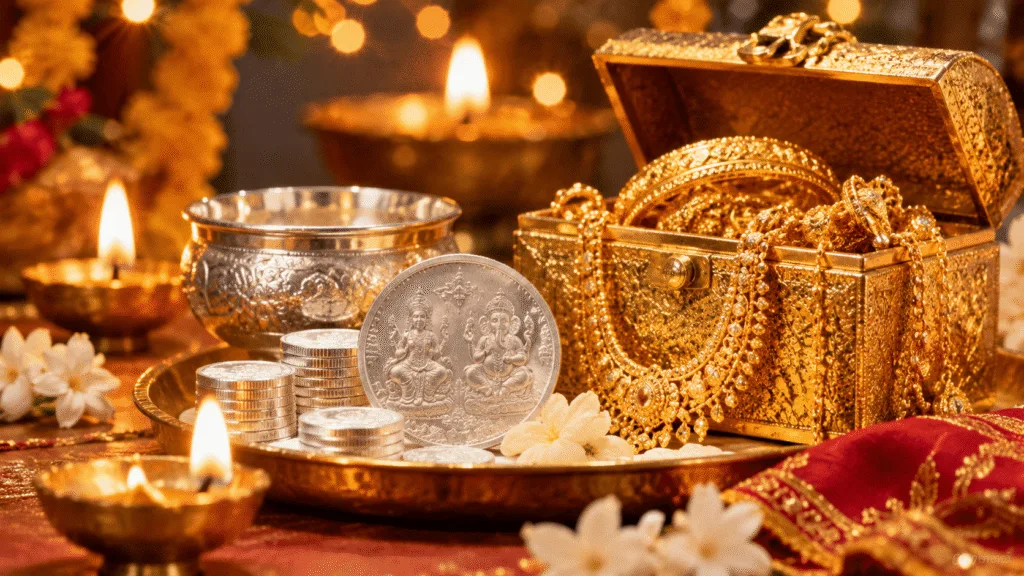
The festival is also considered an auspicious time to purchase new possessions. Gold, silver and other household items are traditionally bought during favourable muhurats, as people believe these purchases invite prosperity and good fortune.
Dhanteras rituals and traditions
Lakshmi Puja is among the most important rituals performed on Dhanteras. After sunset, devotees worship Goddess Lakshmi, recite the Dhanteras Katha and light oil lamps to welcome the goddess into their homes.
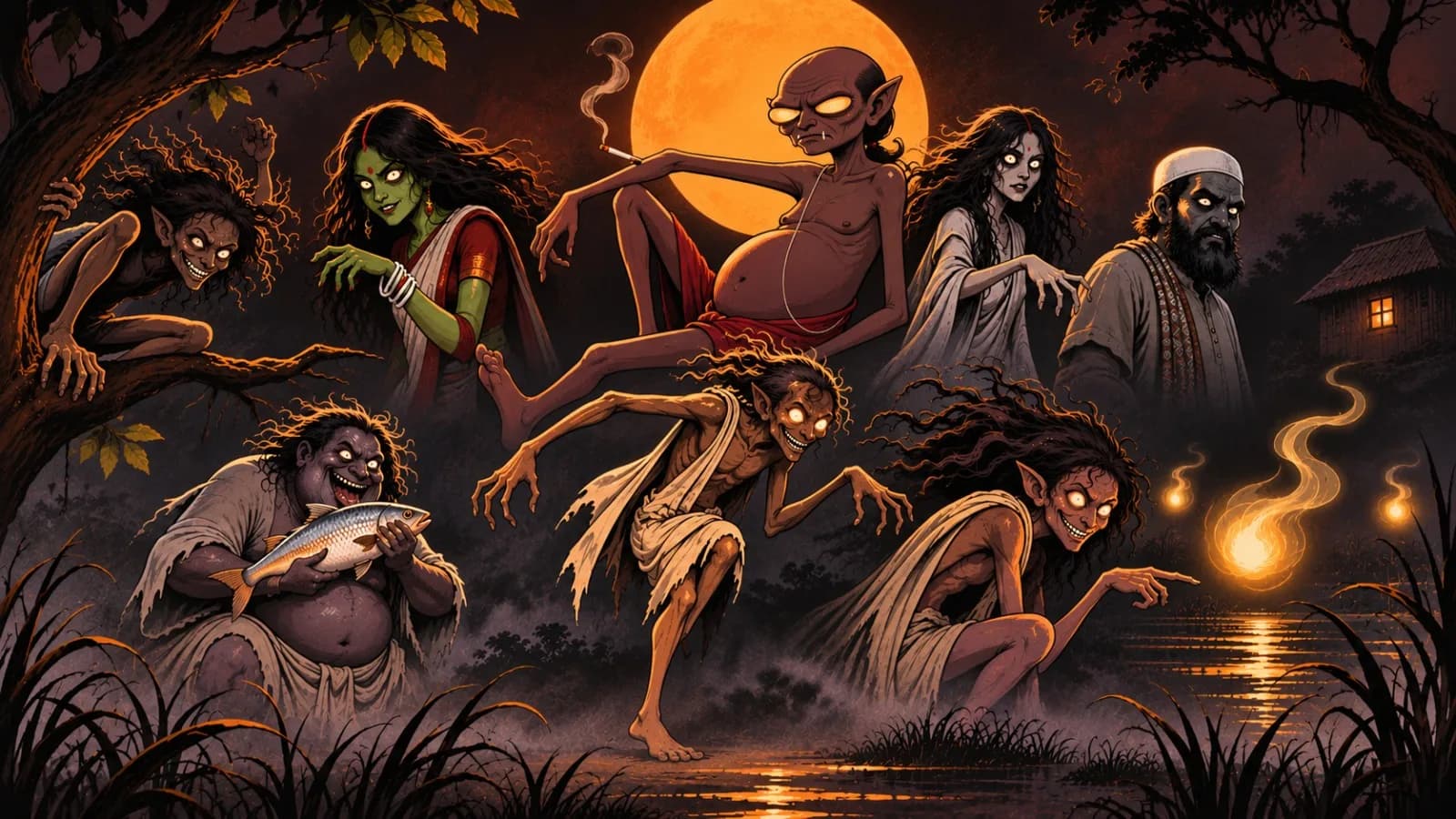
Also Read | Masan Thakur, the terrifying folk deity linked to Goddess Kali
Homes are cleaned and decorated ahead of the celebrations. Rangoli designs, often made using rice flour and vermilion, are created near entrances as part of the traditional preparations.
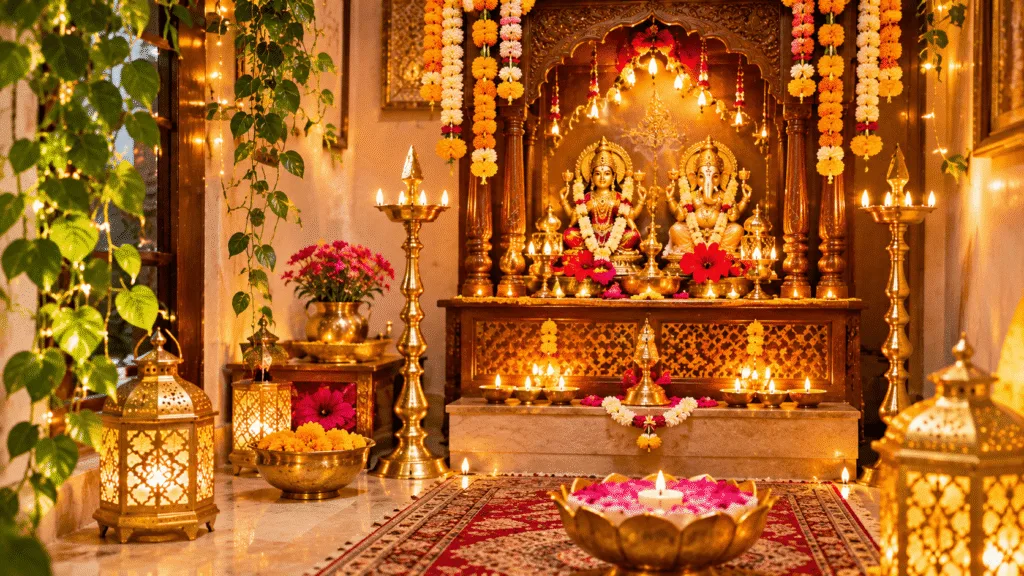
Buying new items is another widely followed Dhanteras tradition. Copper utensils, gold and silver articles, Kuber Yantras and brass elephants are among the items considered auspicious. Brooms are also traditionally purchased, as they are associated with removing poverty and welcoming Goddess Lakshmi’s blessings.
Through its religious stories, prayers and customs, Dhanteras marks the beginning of Diwali celebrations while bringing together the traditional aspirations of wealth, health and prosperity.