








Apple’s iPhone keyboard has an undisclosed multilingual list of words and phrases that it generally avoids suggesting through predictive text or producing through swipe-typing.
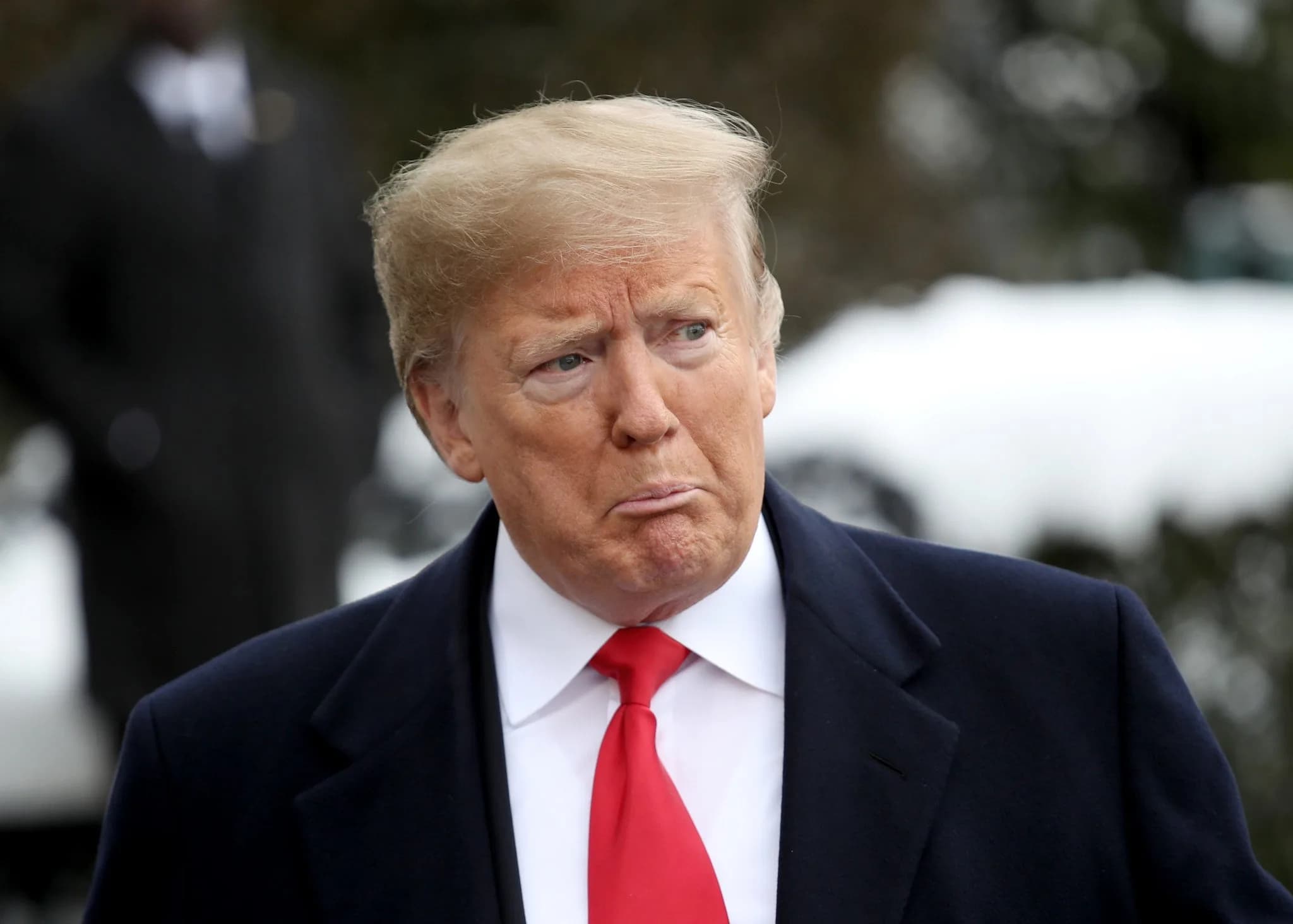
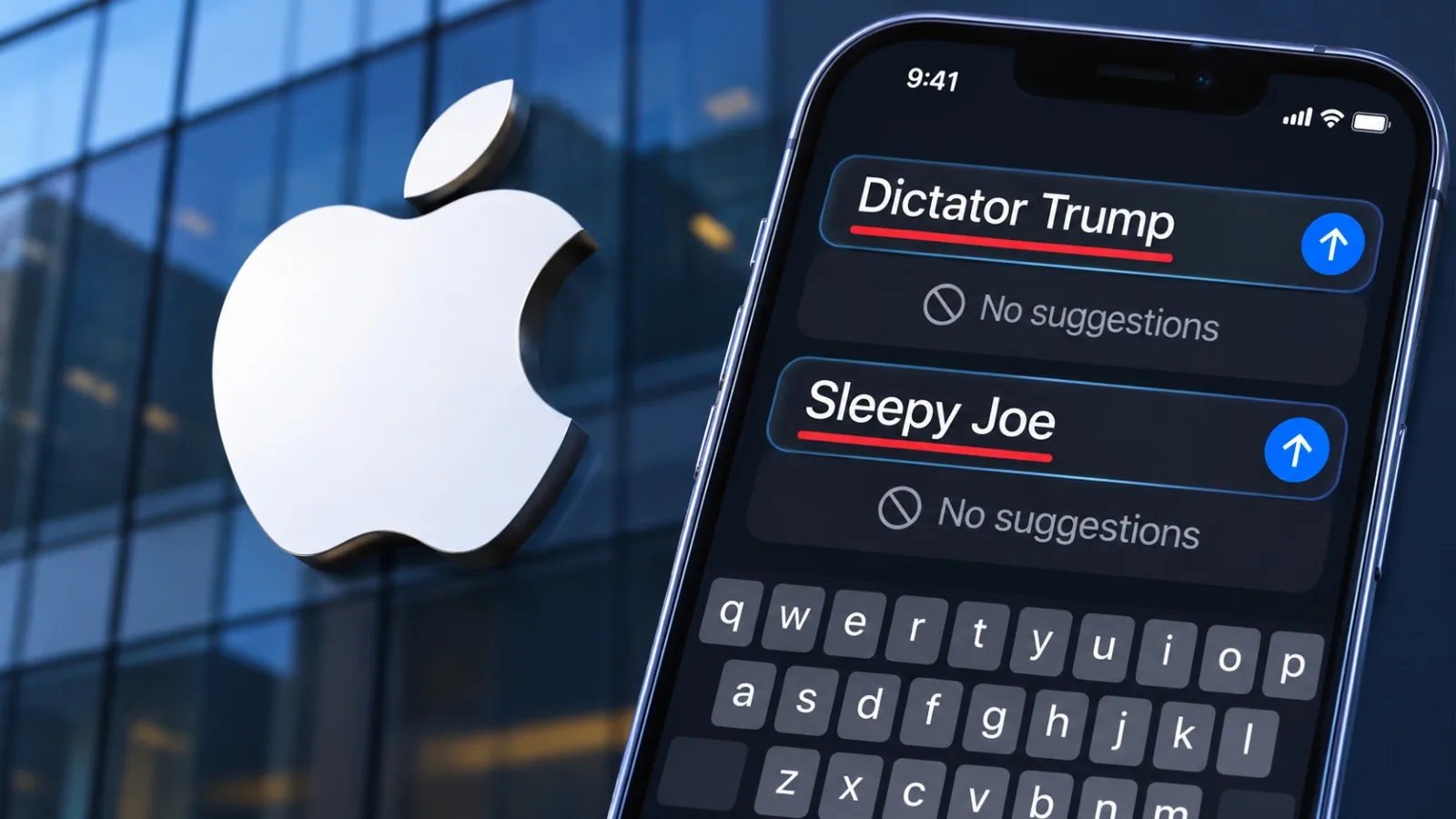
The list includes expressions such as “Dictator Trump” and “Sleepy Joe”, alongside profanity and terms related to drugs, sex and violence. It does not, however, stop users from writing those words.
Apple reportedly maintains a hidden list of nearly 100,000 words and phrases that its iPhone keyboard avoids suggesting through autocorrect and swipe typing, according to security researcher Derek Kauffman.
— Himanshi 👸 (@HimanshiTech) November 6, 2026
Also Read | How much did Republicans spend on losing Senate races? More than $1 billion
The keyboard’s little guessing game
Predictive text offers words or phrases while a person types, based on context and patterns in their writing.
Apple says its suggestions can draw on past conversations, writing style and websites visited in Safari. Swipe-typing works differently.
Instead of tapping each letter, a user moves a finger across the keyboard to form a word. The phone interprets the movement and inserts what it believes the user intended.
A phrase on the reported list may not appear as a suggestion. In some cases, swipe-typing it can also produce a different phrase.
One swipe, several rather revealing surprises
Independent researcher Derik Kauffman discovered the list after noticing that certain phrases caused swipe-typing to behave oddly.
Reuters tested a small sample of his findings. “Sleepy Joe” became “Sleepy hope”, while “United Ireland” often turned into “United Iceland”. “Tibetan independence” was changed to “Tibetan independences”. “Dictator Trump” could be entered by swiping, but the keyboard did not offer the full expression as an autocomplete suggestion. Instead, it suggested “dictator trumps”.
Kauffman said he found the phrase data inside the iPhone operating system in September. He estimated that the list and its variations could amount to about 100,000 entries, excluding Chinese characters.
Matt Suiche, an engineer at cybersecurity company Tolmo, independently recovered the list and found a near-perfect match with Kauffman’s findings.
Kauffman has published decoded lists on a website. The 100,000 figure is his estimate, not a number Apple has confirmed.
Politics joins profanity on the list
Most entries appear to involve offensive language or subjects such as sex, drugs and violence. But the list also includes politically sensitive phrases, such as “right wing conspiracy”, “Tibetan independence” and “United Ireland”.
The restrictions differ across languages. In Hindi, Kauffman identified phrases including “Modi braggart” and “Rahul is Pappu”, referring to Prime Minister Narendra Modi and Congress leader Rahul Gandhi.
Apple explains the safeguard, not every choice

Apple did not directly address the reported size or contents of the list, or explain why particular political expressions were included.
In an email to Reuters, it said users could still type any words or phrases and override predictive text suggestions. The company said its keyboard was designed to avoid offering suggestions that might be inappropriate or offensive.
The concern, then, is not that an iPhone prevents users from expressing an opinion. It is that the keyboard can make certain phrases harder to enter quickly.
A suggestion that never appears, or a swipe-typed phrase that is repeatedly changed, adds friction to everyday communication. That may seem minor on one device. Across hundreds of millions of phones, such design choices can influence what users find easy to write.
Also Read | Eisenkot gets 67 recommendations, but forming Israel’s next government won’t be easy
A fine line between guidance and gatekeeping
David Greene, senior counsel at the digital rights group Electronic Frontier Foundation, told Reuters that the system could help prevent unwanted or inflammatory suggestions. But he questioned keeping the rules hidden and said users should know about them and have some ability to customise them.
Kauffman described the effect as “a very light-touch form of censorship”. The discovery does not prove a political motive.
It does raise a question about transparency. Should users be told when their keyboard is filtering the language it offers?