
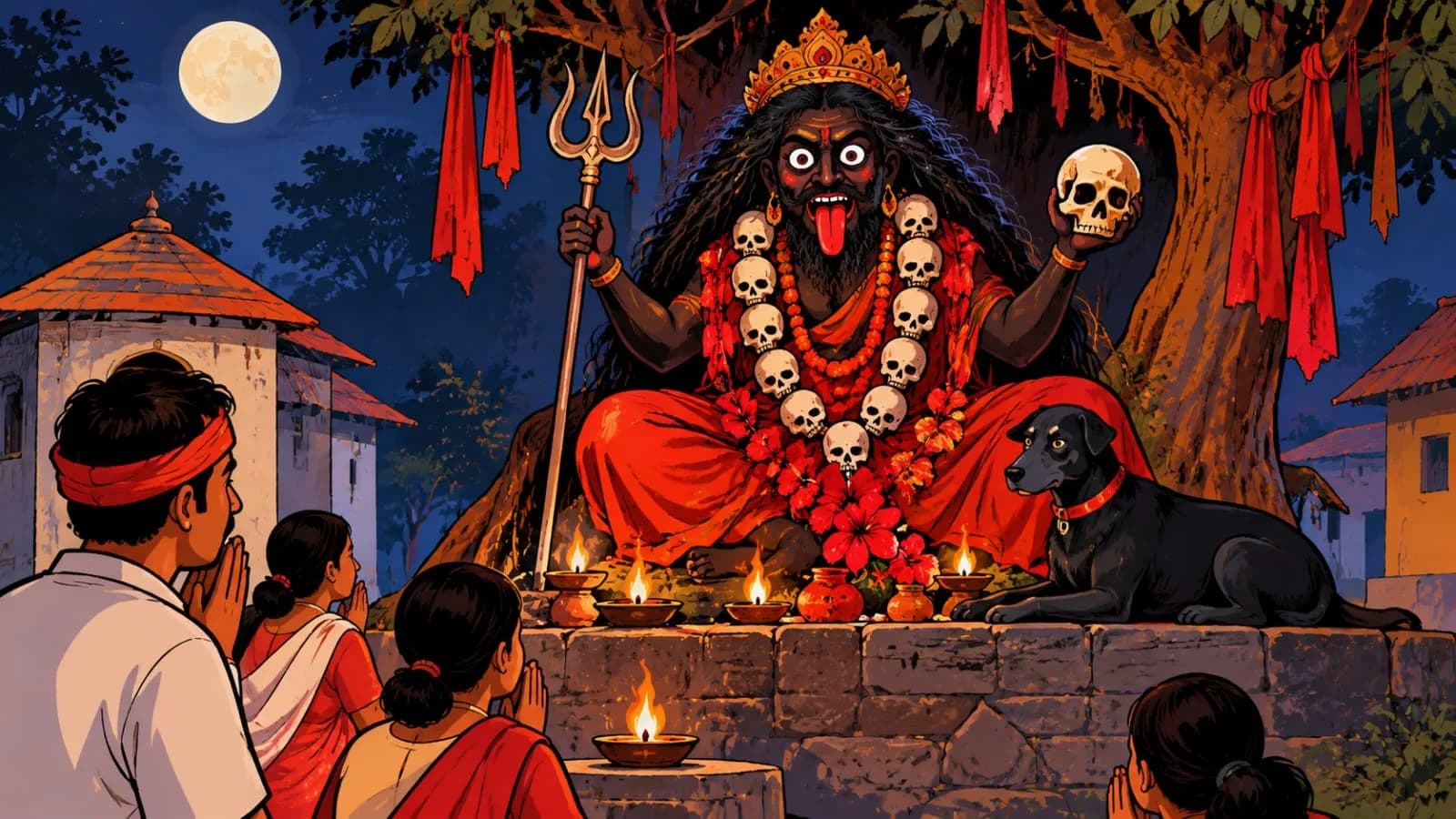




Goddess Kali is associated with several powerful mythological stories, but North Bengal’s Rajbanshi folklore has its own tale of a fearsome deity linked to her. Known as Masan Thakur, the folk deity is worshipped in parts of North Bengal, particularly among sections of the Rajbanshi community in Cooch Behar.
Often regarded as a spirit deity or an ominous supernatural figure, Masan Thakur is traditionally worshipped on Saturdays, Tuesdays or the new moon day. In some traditions, his worship is also associated with the month of Bhadra and with Dipanwita Amavasya.
The mysterious birth of Masan Thakur
Rajbanshi folklore has more than one account of Masan Thakur’s origin. One belief says that when Kali danced, drops of sweat fell from her body and gave rise to Masan. A traditional verse associated with the legend describes the deity as being created from Kali’s sweat.
Another Rajbanshi belief connects his birth with Dharmaraj or Dharmathakur. According to this version, Dharmathakur became overwhelmed after seeing the bathing form of nature or Goddess Kali, and his essence fell into a river, where Masan was born.
Also Read | Why are humans born after 9 months? The ancient beliefs about karma, birth and rebirth
The association with water is significant in the folklore. Fish are consequently considered companions of Masan in some traditions.
The story of his navel and kolmi greens
Some sections of the Rajbanshi community in Cooch Behar consider Masan to be the eldest among Kali’s 18 children.
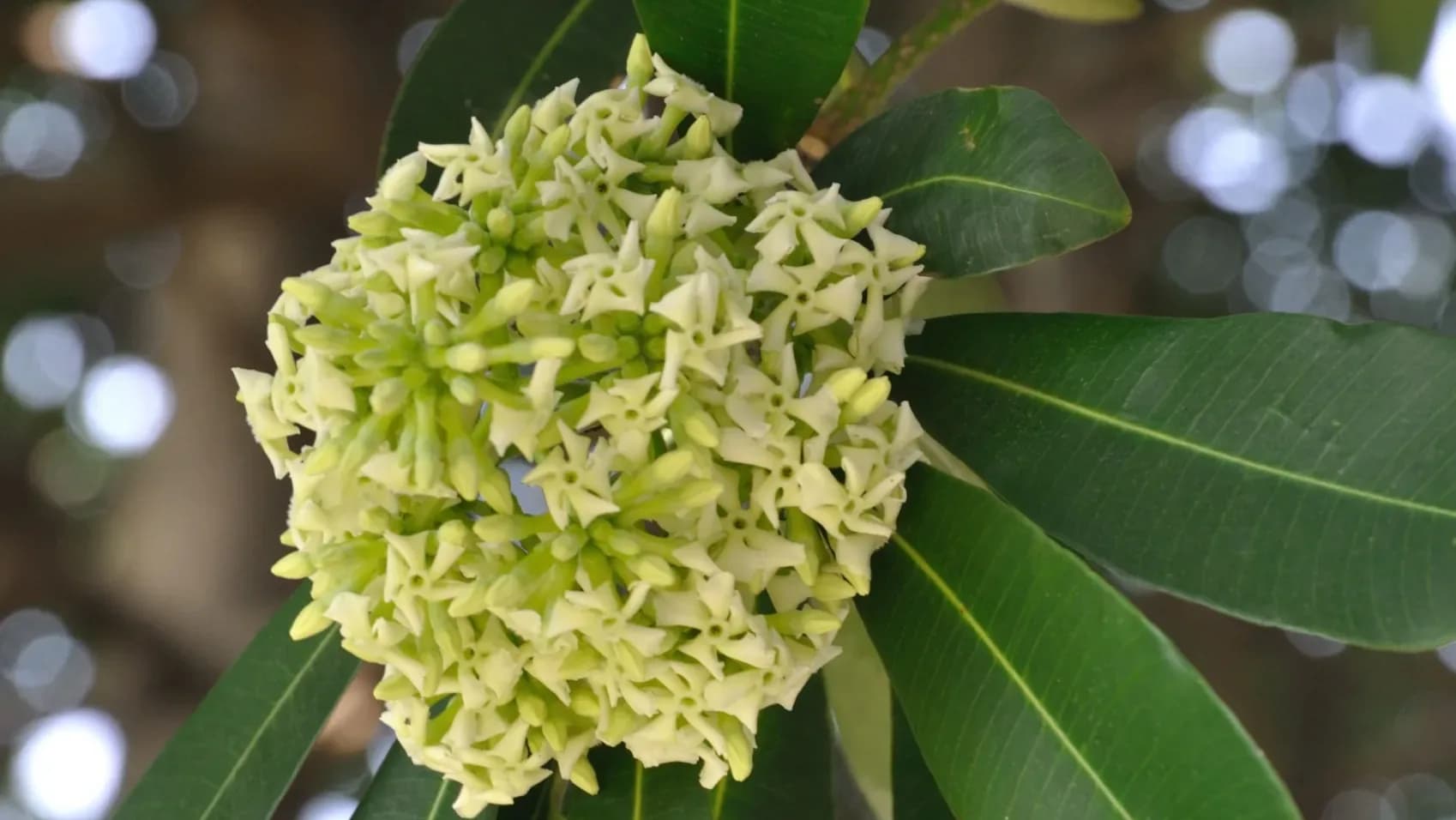
Another belief says that Masan was born on a Saturday during the month of Bhadra. Since he was believed to have been born in water, his umbilical cord was also immersed in water. According to the folklore, kolmi greens subsequently grew from it.
This belief has also led to a food-related custom among some Rajbanshi families. They traditionally avoid eating kolmi greens during Bhadra as a mark of respect for Masan. A popular rhyme warns that anyone who eats the greens during the month is effectively consuming Masan’s umbilical cord.
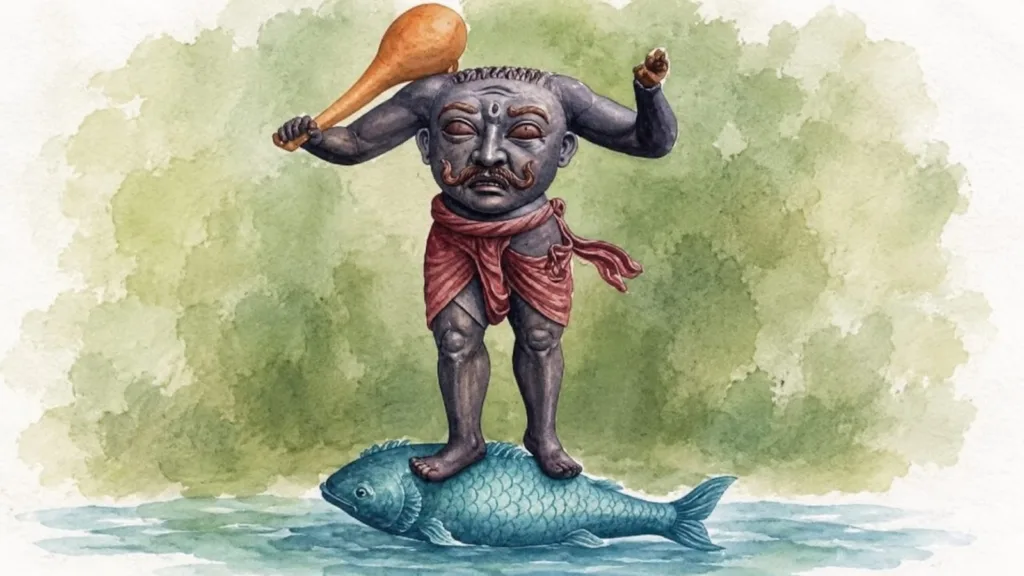
A deity with 18 different forms
Masan is not depicted in one uniform form. Folk traditions describe him as a frightening figure, sometimes with eyes on his chest, a protruding tongue, a large belly or a terrifying gaze. In different representations, he is shown riding a fish or a pig.
According to the report, Bengal’s folklore recognises 18 forms of Masan, each associated with a particular place or characteristic.
Also Read | Eetha trailer out: Shraddha Kapoor brings Lavani legend Vithabai Narayangaonkar to life
Barika Masan is believed to live around bamboo groves and forests, while Tisila Masan is associated with water. Ghatiya Masan is linked to river or pond ghats, and Chunchia Masan is said to inhabit fields and ghats. Chalan Masan is associated with trees beside roads.
Other forms include Bahita Masan, believed to inhabit banana trees floating in water, and Kal Masan, who is associated with cremation grounds. Kuhuliya Masan is said to live in trees and imitate the call of a cuckoo. Nanga Masan is described as a naked figure whose appearance is considered an omen of death.
The remaining forms include Bishuya, Obuya, Shukna, Bhula, Damsha, Angiya, Chhalnar, Nera and Kali Masan. Their folklore associations range from illness and confusion to forests, fields and secluded parts of villages.
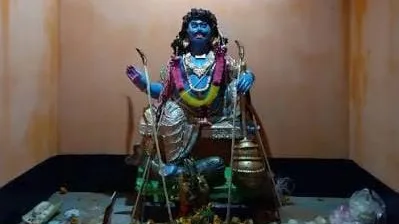
Worship driven by fear and appeasement
Unlike deities worshipped primarily through devotion and celebration, Masan’s folk worship is closely linked to fear and appeasement. According to the belief system, people who commit wrongdoing or encounter Masan alone may become vulnerable to his influence.
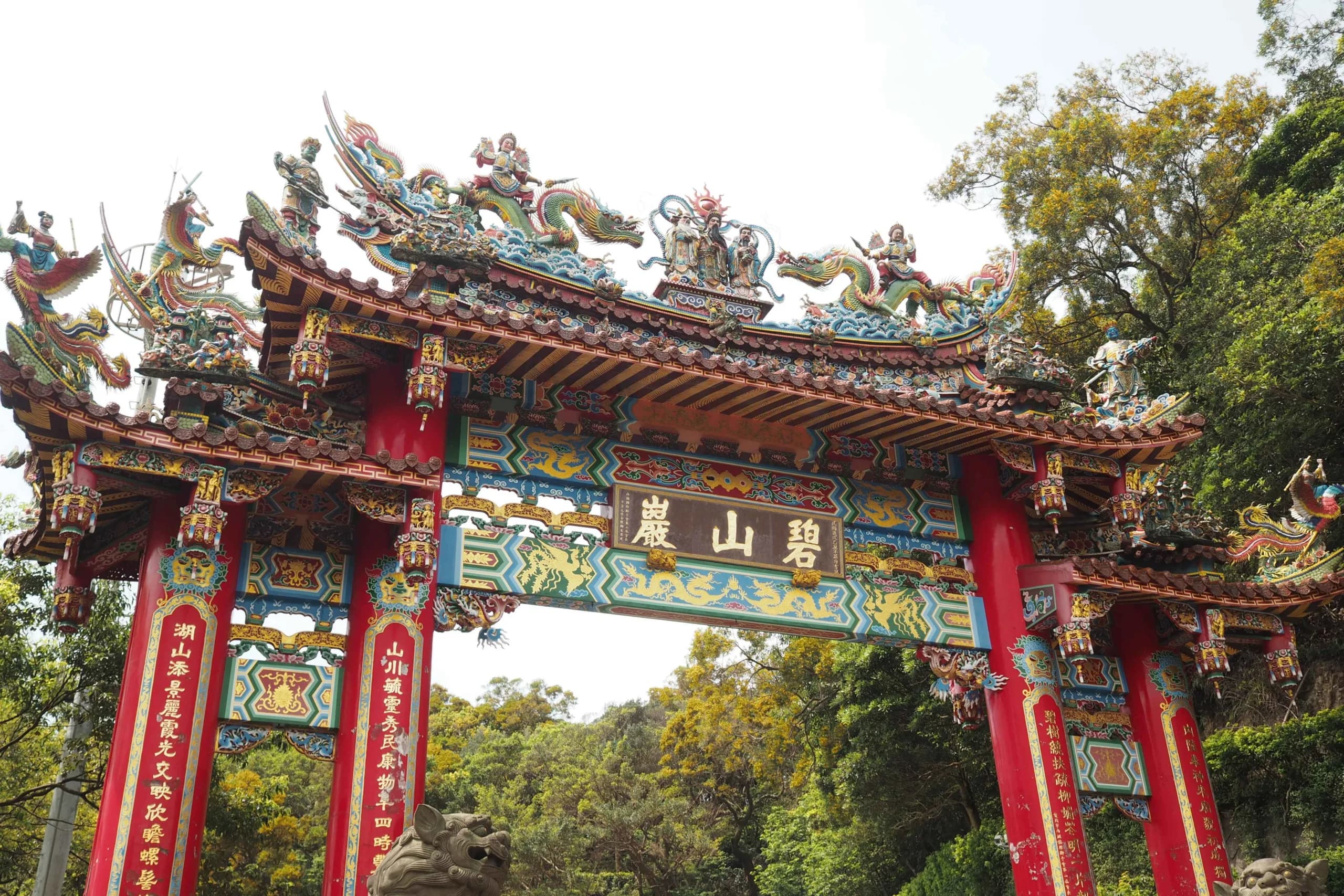
Folklore also attributes various unusual symptoms to a person believed to be affected by Masan. Families traditionally seek protection by worshipping him at his shrine or temple, particularly on Saturdays, Tuesdays or Amavasya.
The offerings described in the tradition are equally distinctive, including roasted rice, roasted fish, banana, milk, ghee and pieces of broomstick.
Masan Thakur’s story therefore reflects the rich variety of Bengal’s folk traditions, where local deities, supernatural beliefs and regional customs have developed alongside mainstream religious narratives. For sections of the Rajbanshi community, the fearsome Masan remains an important figure in the cultural folklore of North Bengal.