








Planning a quick getaway to Nepal or Bhutan? Before packing your bags, there is an important travel update you should know about.
The Ministry of Home Affairs (MHA) has amended immigration rules governing travel between India, Nepal and Bhutan, clarifying which identity documents citizens must carry while crossing these borders. The revised provisions also explain when travellers need a valid passport and visa, particularly if their journey involves a third country.
Also Read | Why trains and flights use the 24-hour clock instead of AM and PM
The distinction is important: travelling directly between India, Nepal and Bhutan is covered by a specific exemption, but that exemption does not extend to onward international travel through either neighbouring country.
The amendment was issued on November 5 under the Immigration and Foreigners (Exemption) (Amendment) Order, 2026.
Travelling to Nepal or Bhutan? Here are the new ID requirements
Under the amended rules, Indian citizens travelling to Nepal or Bhutan, or returning to India from either country, must produce any one of the identity documents specified in the Visa Manual.
This requirement applies to journeys by both road and air. Immigration officers can ask travellers to establish their identity and provide the necessary information.
The same provision applies to Nepalese and Bhutanese citizens entering or leaving India.
Importantly, the exemption is not limited to land-border crossings. Travellers flying between these countries are also covered by the revised identity-document requirement.
When do Indians need a passport and visa?
Here is where travellers need to be particularly careful.
The exemption applies only to journeys between India, Nepal and Bhutan. It does not cover people using either neighbouring country as a transit point to reach another international destination.
For instance, an Indian citizen travelling through Nepal to reach a third country cannot rely on the identity-document exemption applicable to travel between India and Nepal.
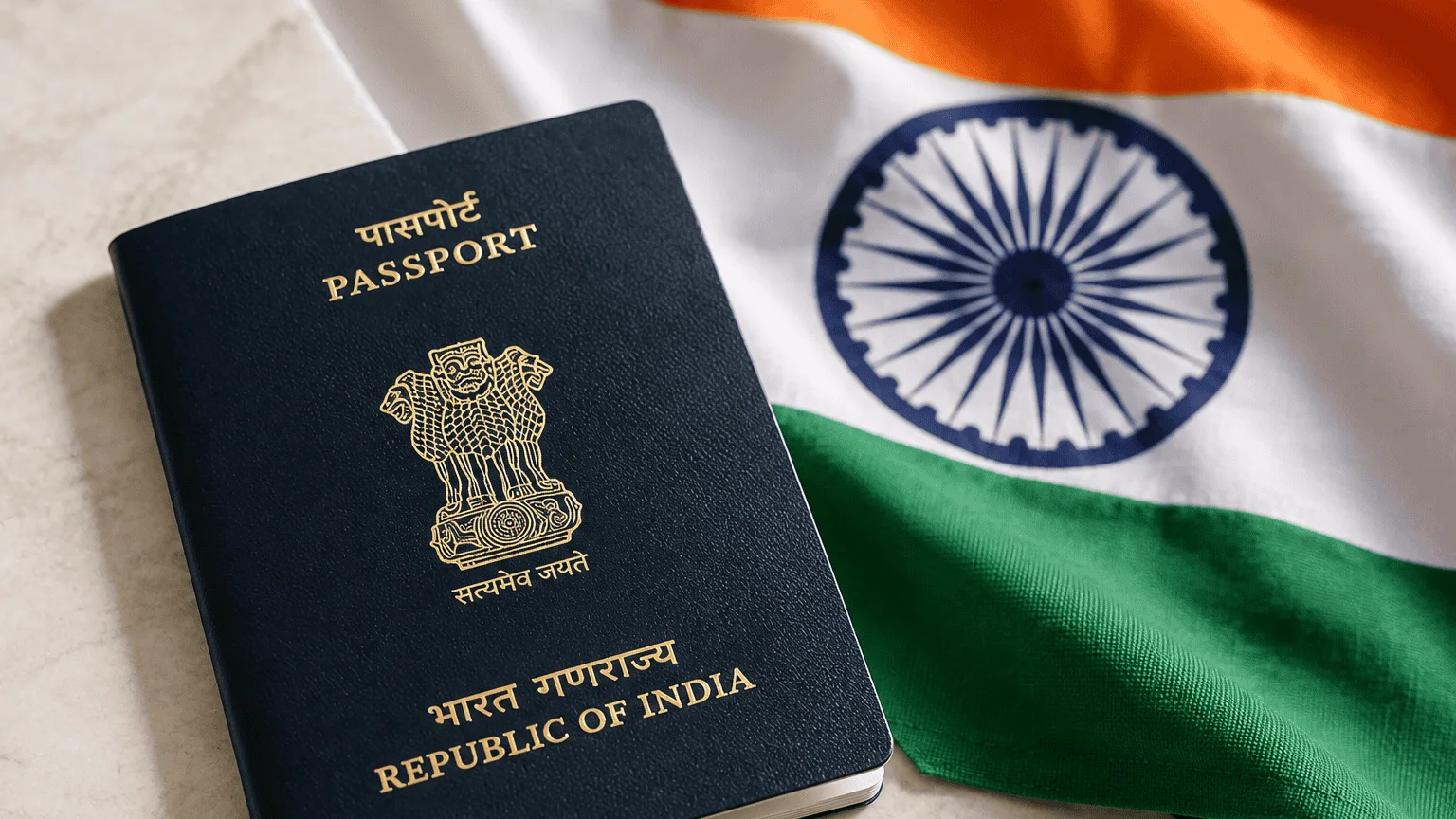
In such cases, a valid passport is compulsory. The traveller must also enter or leave India through a designated immigration post.
The amended order also specifies requirements for Nepalese and Bhutanese citizens travelling to or from countries other than Nepal and Bhutan.
If they are entering or leaving India after embarking at or transiting through China, Macau, Hong Kong or Pakistan, they must carry both a valid passport and a valid visa.
Who is exempt from the passport and visa requirements?
The amended order retains certain exemptions for specific categories of travellers.
These include:
- Indian Army, Navy and Air Force personnel travelling on official duty, along with their family members when accompanying them on government transport.
- Registered Sri Lankan Tamil nationals who took shelter in India on or before January 9, 2015.
- Foreign crew members of military vessels visiting India for repairs after obtaining Military Ship Repair Permits.
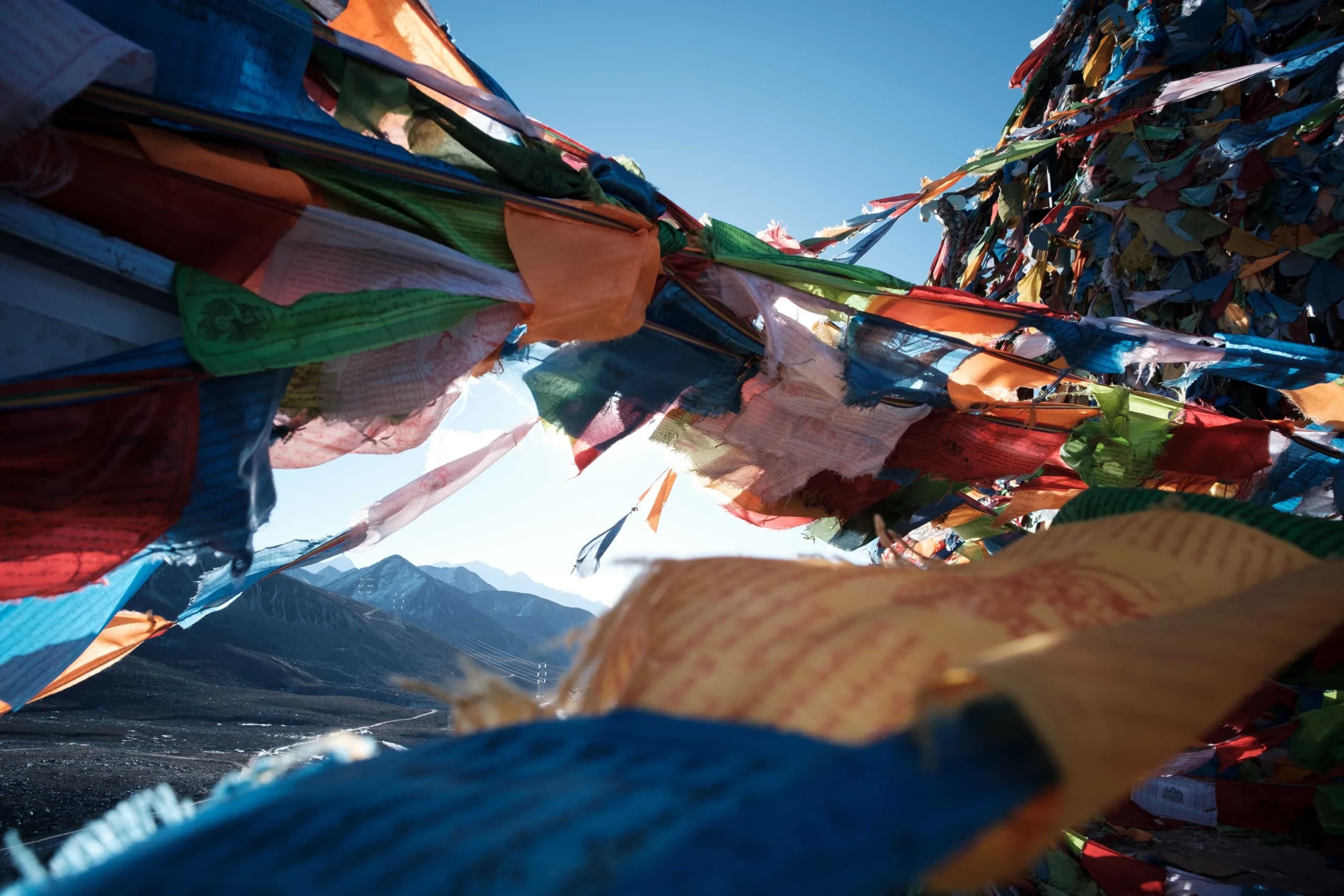
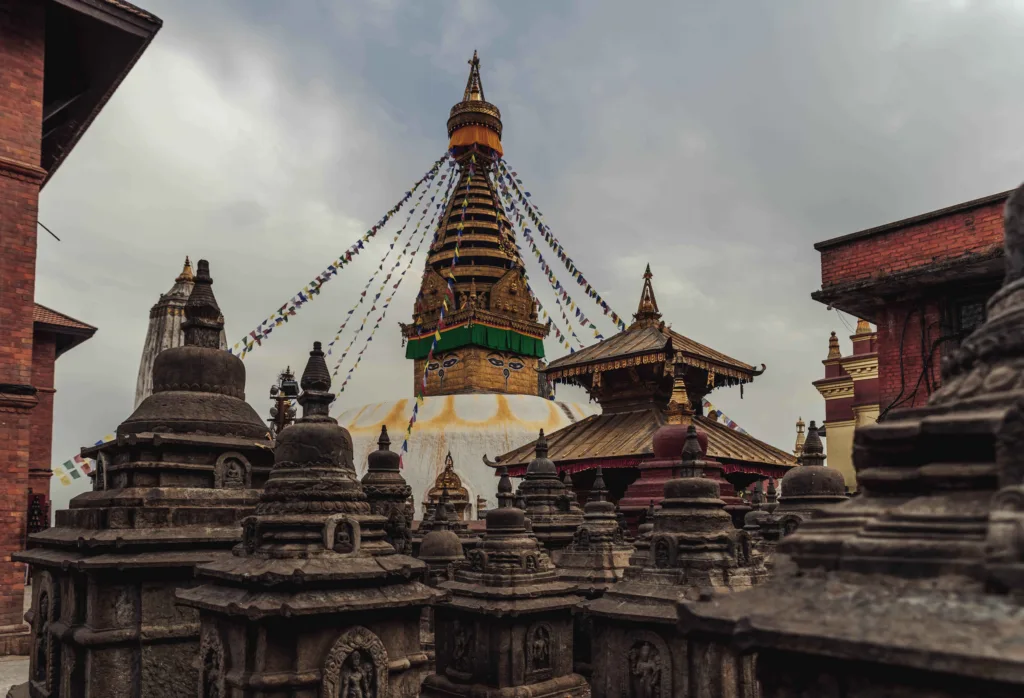
- Certain Tibetan nationals who entered India through designated procedures and registered with the authorities.Ancient Swayambhunath Stupa in Kathmandu with vibrant prayer flags under cloudy sky.
These exemptions apply to the specific categories and conditions mentioned in the order.
Special exemption for minority communities from three countries
The amendment also covers members of six minority communities from Afghanistan, Bangladesh and Pakistan.
These communities are Hindus, Sikhs, Buddhists, Jains, Parsis and Christians who were compelled to seek shelter in India due to religious persecution or fear of religious persecution and entered the country on or before December 31, 2024.
The provision covers those who entered India without valid travel documents, as well as people whose documents were valid when they entered but have since expired.
However, the exemption does not grant an indefinite right to stay without further documentation. Those covered must obtain the appropriate category of visa after entering India to continue their stay.
What should travellers keep in mind?
The revised rules make an important distinction between travelling within the India-Nepal-Bhutan arrangement and using either neighbouring country as a route to another international destination.
Also Read | What is set-jetting? How films and TV shows inspire travel
For a direct trip between these countries, travellers must carry one of the identity documents specified in the Visa Manual. For onward international journeys, passport requirements apply, along with the relevant immigration procedures.
Before travelling, it is advisable to check the applicable document requirements and ensure that the identity proof being carried falls under the prescribed list.