








Ask any Bengali about ghosts, and there is a high probability that he or she would have one story stored somewhere in the recesses of memory. From scary stories told by grandparents during blackouts to the legends about strange people roaming around the pond and banyan tree, ghosts have always held a unique status in Bengali tradition.
While Western horror stories usually have ghosts as scary entities, ghosts in Bengali tradition have their own character. Some are helpful; some are mischievous and others are dangerous. But then again, there can never be a discussion about ghosts from Bengali tradition without a mention of the ghost who has an unhealthy fascination for fish!
Also Read | What is ‘mogging’? Collins Dictionary names viral Gen Z slang word of the year 2026
Bengali folklore is filled with such fascinating supernatural characters, each carrying its own peculiar backstory, appearance and habits. So, before you switch off the lights tonight, here are 10 types of ghosts that have haunted Bengal’s imagination for generations.
1. Brahmadaitya: The learned and aristocratic ghost
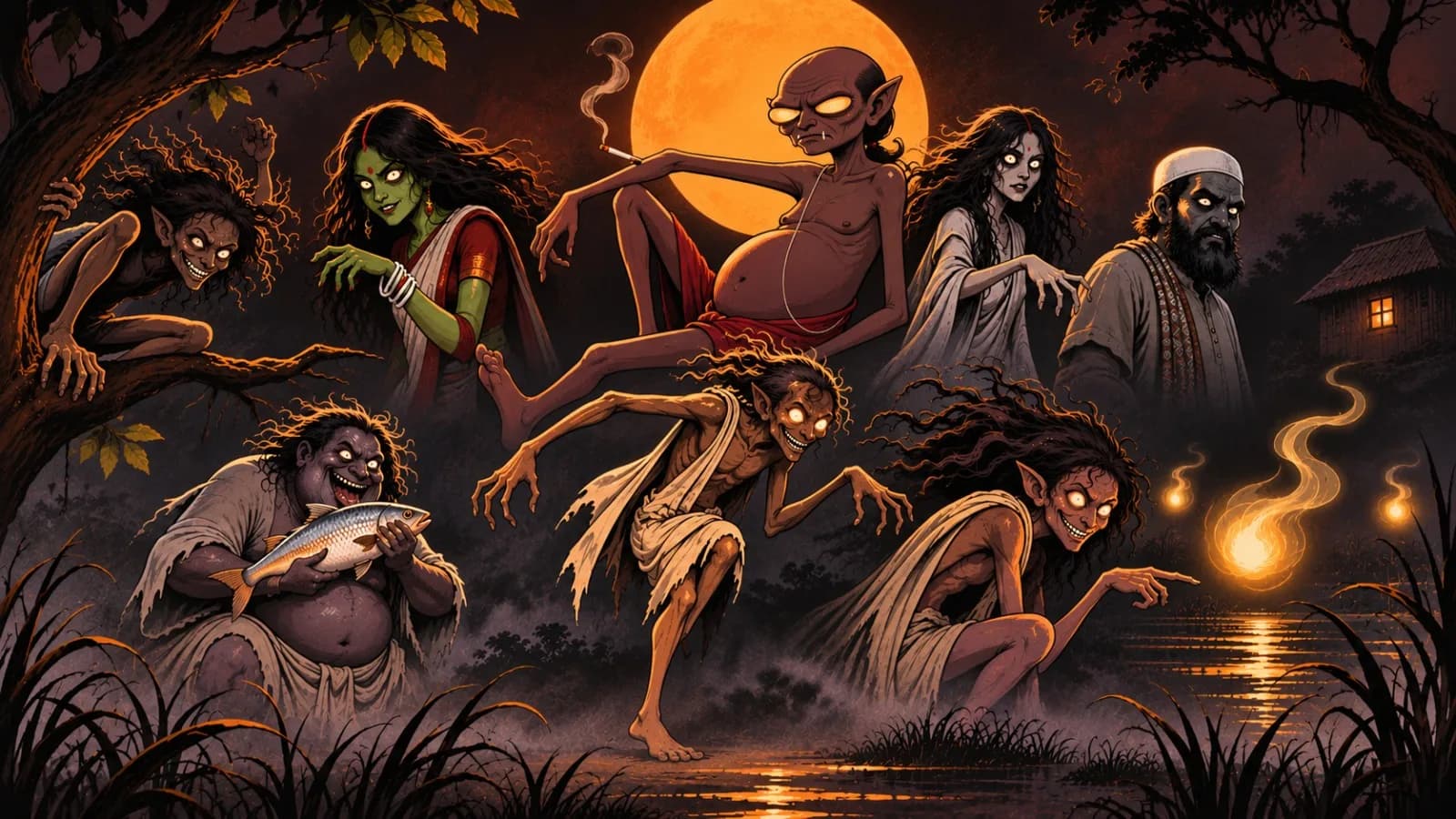
If ghosts had a social hierarchy, the Brahmadaitya would undoubtedly sit at the top. Traditionally believed to be the spirit of a Brahmin who died an unnatural death, this ghost is considered one of the most respected figures in Bengali folklore.
Dressed in a white dhoti, wearing a sacred thread and possessing immense knowledge of Sanskrit and Hindu scriptures, the Brahmadaitya is often portrayed as a well-mannered and benevolent spirit. It is believed to reside in trees, particularly banyan trees, and may even help humans in times of trouble.
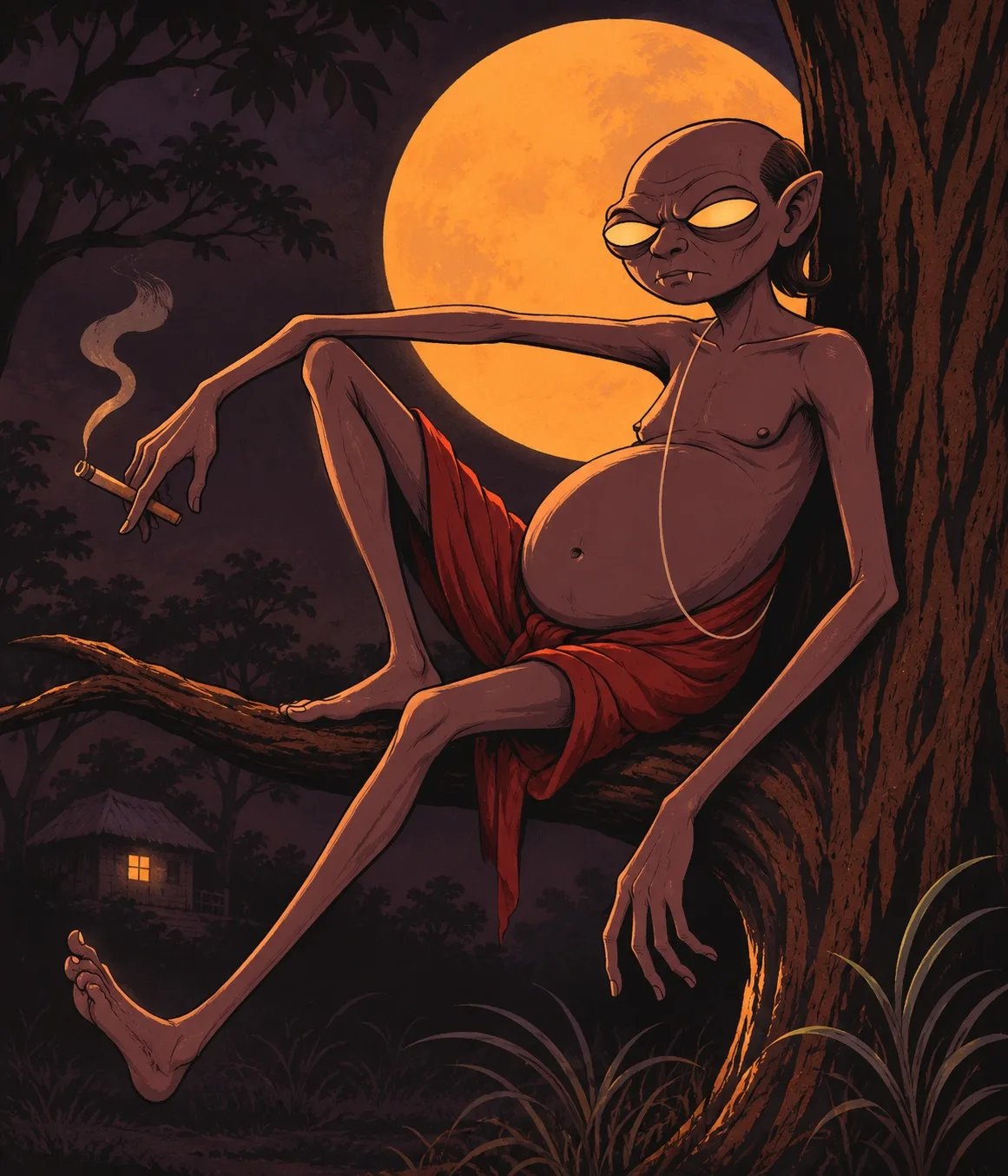
However, do not mistake its kindness for a lack of attitude. This ghost is known for its pride in its scholarly background!
2. Skondhokata: The headless wanderer
Imagine walking along a deserted railway track at night and suddenly encountering a figure with no head. That is precisely the kind of nightmare associated with the Skondhokata.
Also known as a headless ghost, the Skondhokata is believed to be the spirit of someone who died after being decapitated in an accident or violent incident. Its name comes from the Bengali words associated with the shoulder and a severed head.
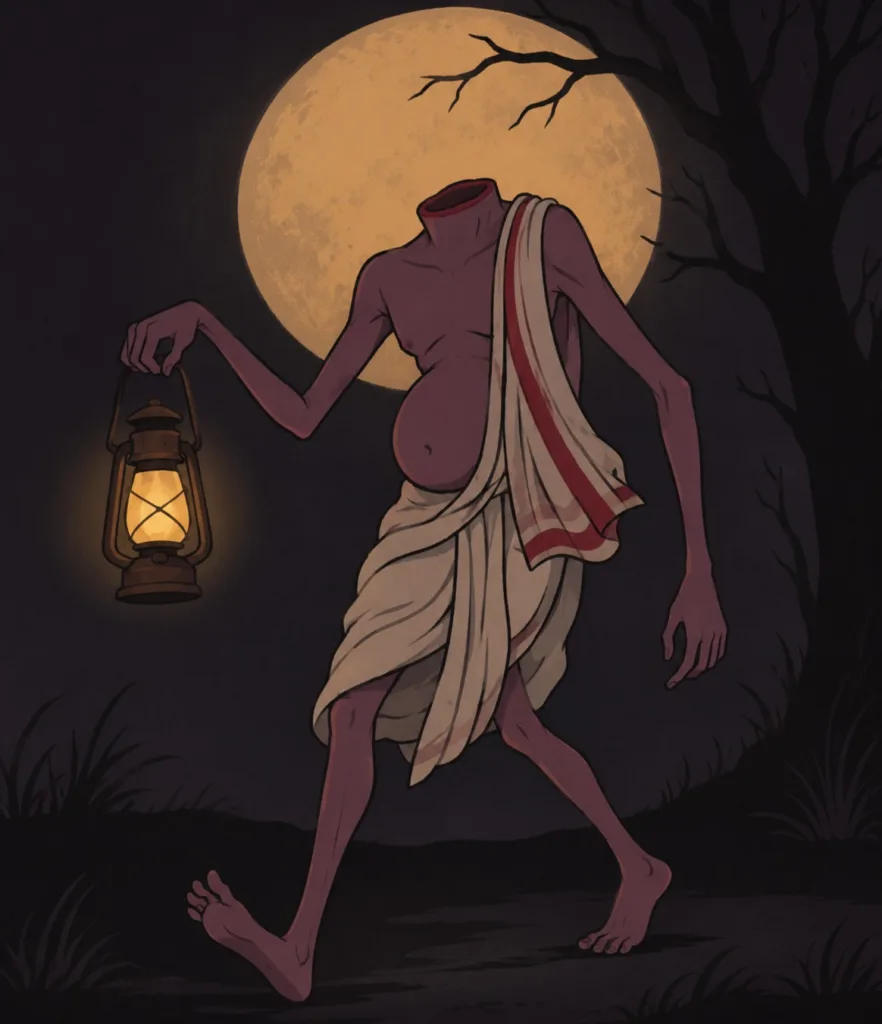
According to folklore, these spirits wander around searching for their missing heads. Some stories describe them as confused and restless, while others portray them as frightening creatures that can attack unsuspecting passers-by.
3. Shakchunni: The ghost who refuses to give up her bangles
In Bengali culture, conch-shell bangles, known as shakha, are traditionally associated with married Hindu women. And folklore has an equally distinctive ghost associated with them: the Shakchunni.
Believed to be the spirit of a married woman who died before her time, the Shakchunni is traditionally depicted wearing a red-bordered sari, vermilion and conch-shell bangles.
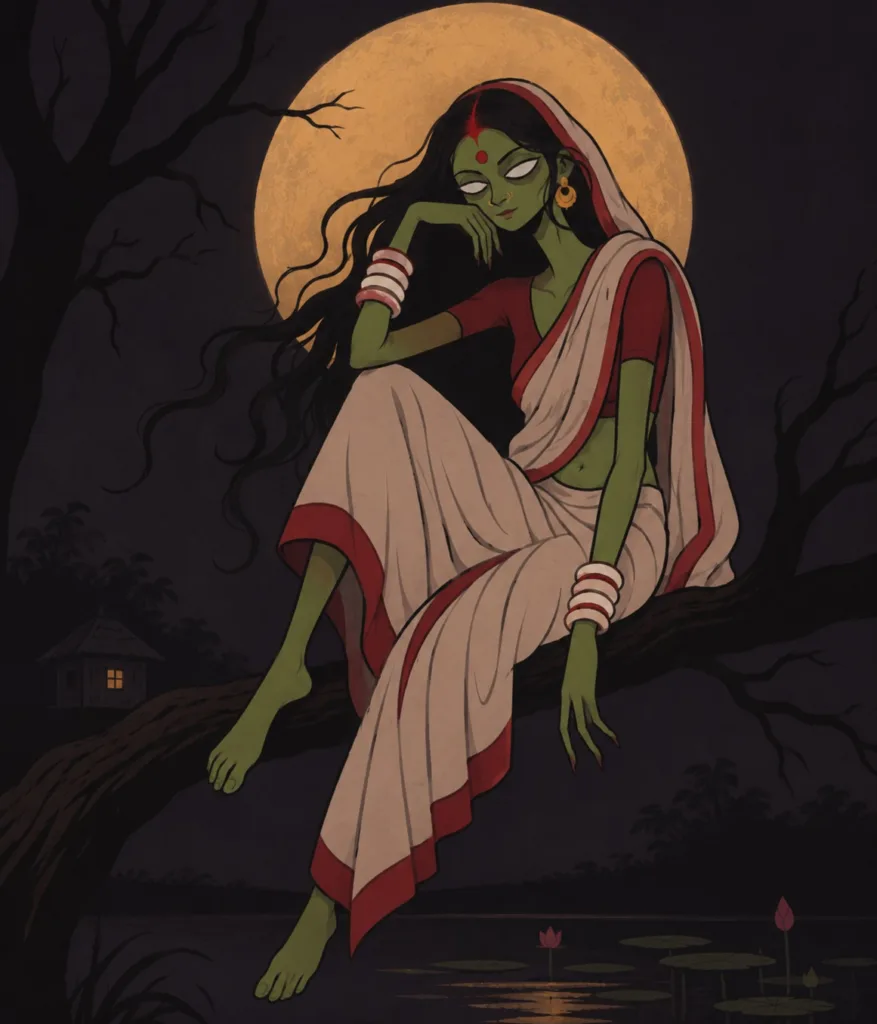
Unlike some other spirits, she is often portrayed as having a strong attachment to the comforts and symbols of married life. Folklore sometimes describes her as taking possession of married women or appearing near ponds and secluded places.
Her unmistakable bangles are often enough to make a late-night encounter particularly unsettling.
4. Petni: The restless spirit of an unmarried woman
If the Shakchunni represents a married woman’s spirit, the Petni is often considered her unmarried counterpart.
According to Bengali folklore, Petnis are believed to be the spirits of women who died unmarried or with unfulfilled desires. They are commonly associated with lonely ponds, abandoned houses, bamboo groves and secluded village paths.
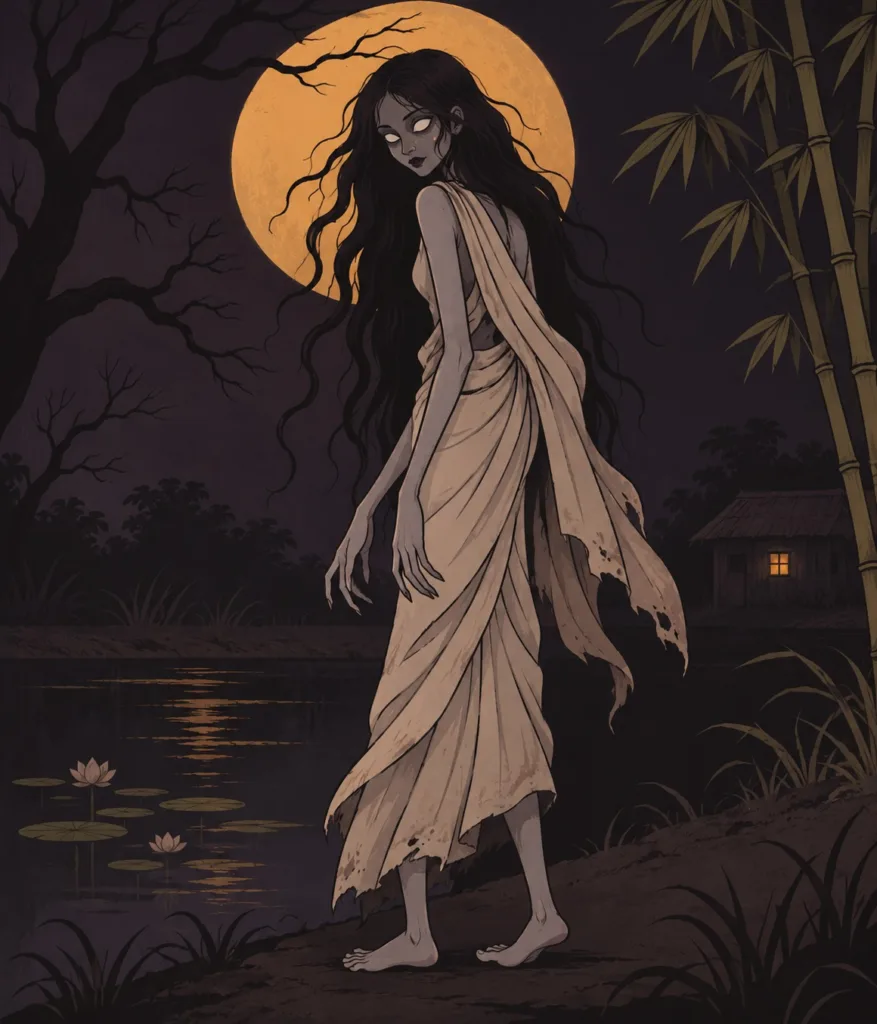
Unlike the relatively friendly Brahmadaitya, Petnis are frequently portrayed as cunning, mischievous and sometimes dangerous. Their appearances vary across folk narratives, but their association with mysterious nighttime encounters remains a familiar part of Bengali ghost stories.
And if your grandmother ever warned you against wandering near a pond after sunset, chances are a Petni was somewhere in that conversation!
5. Mamdo Bhoot: The ghost with a distinct identity
Bengal’s supernatural world is not limited to one religious or cultural tradition. The Mamdo Bhoot is a familiar figure in Bengali folklore, traditionally described as the spirit of a Muslim person who died an unnatural death.
It is often depicted wearing a skullcap and sporting a beard. Stories about this ghost vary across regions, but it is generally associated with deserted places and eerie nighttime encounters.
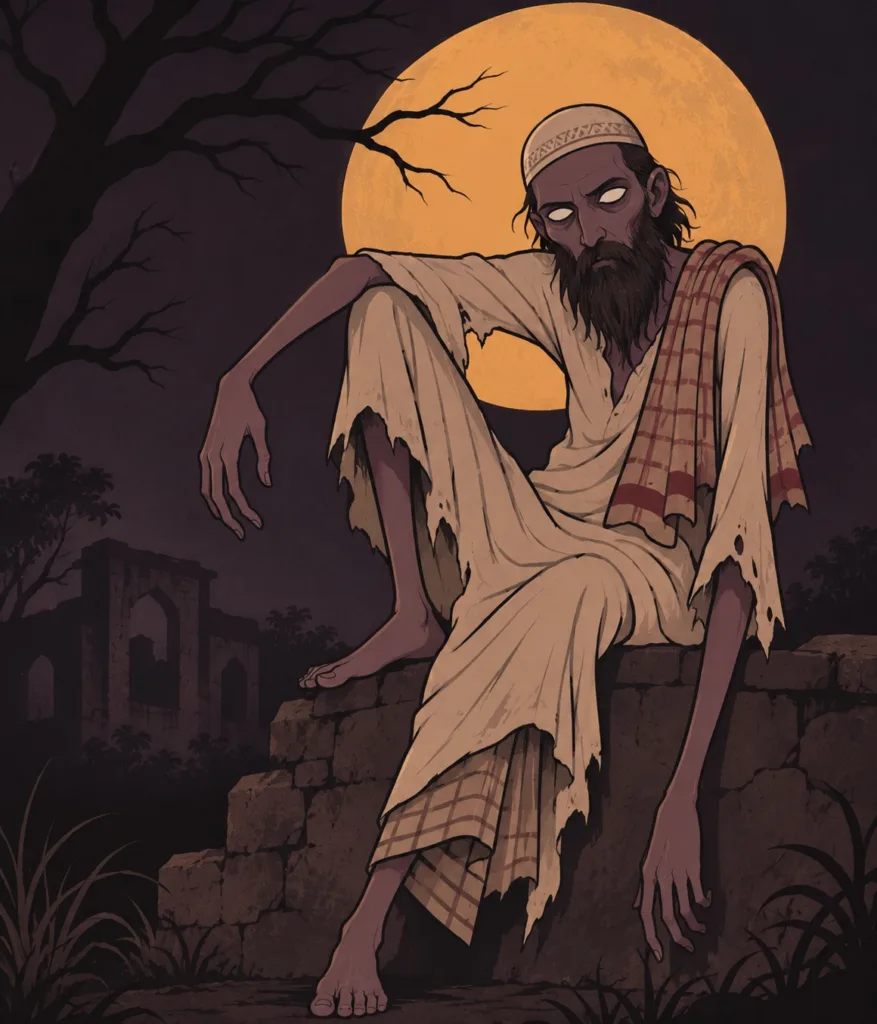
The Mamdo Bhoot is also an example of how Bengali ghost folklore draws from the diverse cultural and religious communities that have shaped the region.
6. Gechho Bhoot: The mysterious tree-dweller
Ever wondered why your elders sometimes warned you against climbing trees after dark? Bengali folklore has a rather spooky explanation.
The Gechho Bhoot gets its name from the Bengali word ‘gachh’, meaning tree. As its name suggests, these spirits are believed to inhabit trees and remain hidden among their branches.
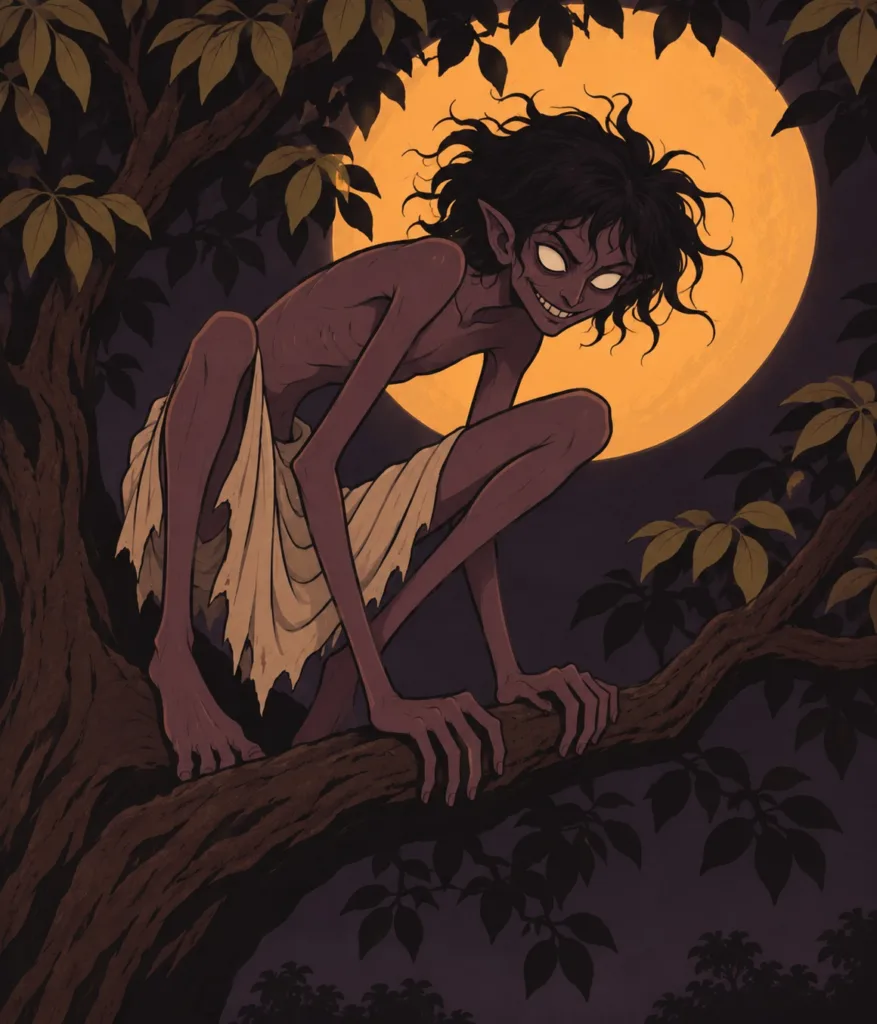
They are often described as mischievous creatures that can confuse people, make strange noises or appear unexpectedly to those passing beneath their trees.
So, the next time a branch moves mysteriously on a windless night, perhaps it is better not to investigate!
7. Mechho Bhoot: The fish-loving ghost
Now, this is perhaps the most quintessentially Bengali ghost of them all!
The Mechho Bhoot is a spirit with an extraordinary obsession with fish. The name comes from the Bengali word ‘machh’, meaning fish, and folklore describes these ghosts as being particularly fond of fresh fish.
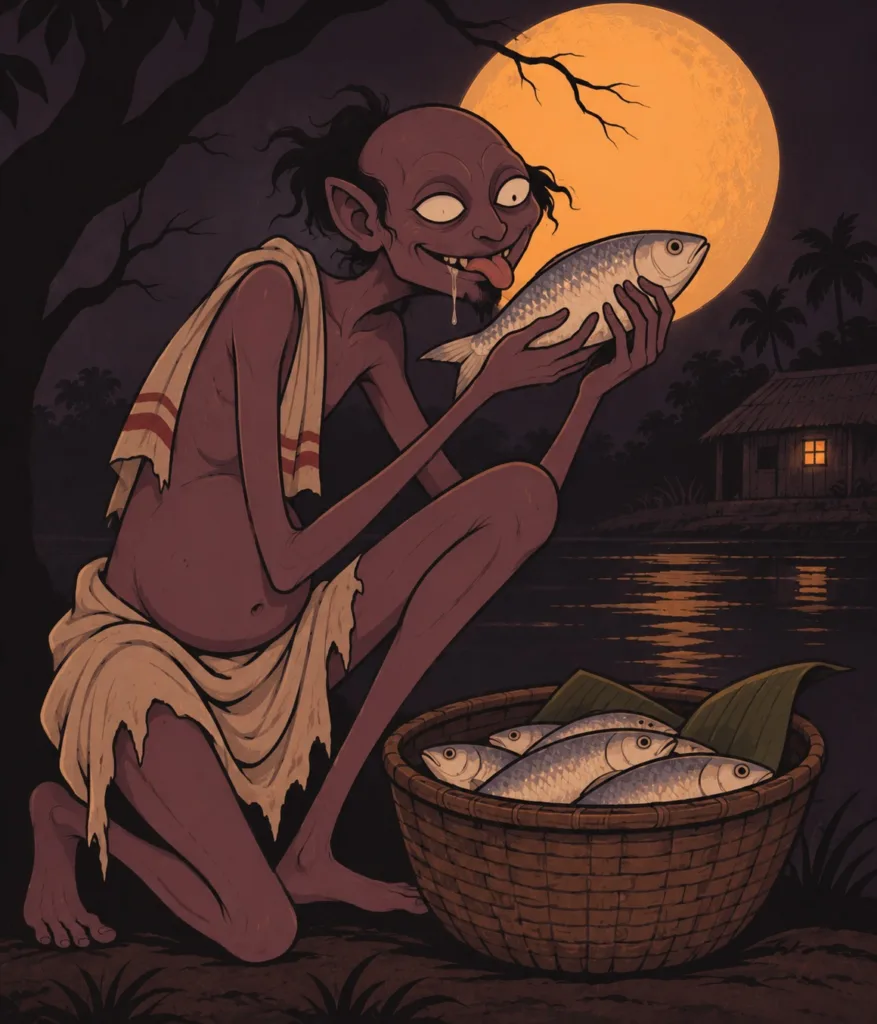
Some tales suggest that they sneak into kitchens, steal fish from households or trouble fishermen and people carrying their catch home.
And what is their ultimate weakness? Fish, naturally! Some stories even associate them with a particular fondness for hilsa.
In a land where fish and rice are practically an emotion, it seems only fitting that even ghosts have their culinary preferences.
8. Aleya: The mysterious marshland light
Not every ghost needs a terrifying face or a frightening appearance. Sometimes, all it takes is a mysterious light flickering in the distance.
The Aleya is a supernatural phenomenon in Bengali folklore associated particularly with marshes, wetlands and coastal regions. It is often described as a floating, mysterious light that appears over waterlogged areas, especially at night.
According to popular beliefs, the light lures unsuspecting travellers away from safe paths, causing them to lose their way and potentially fall into marshes or waterbodies.
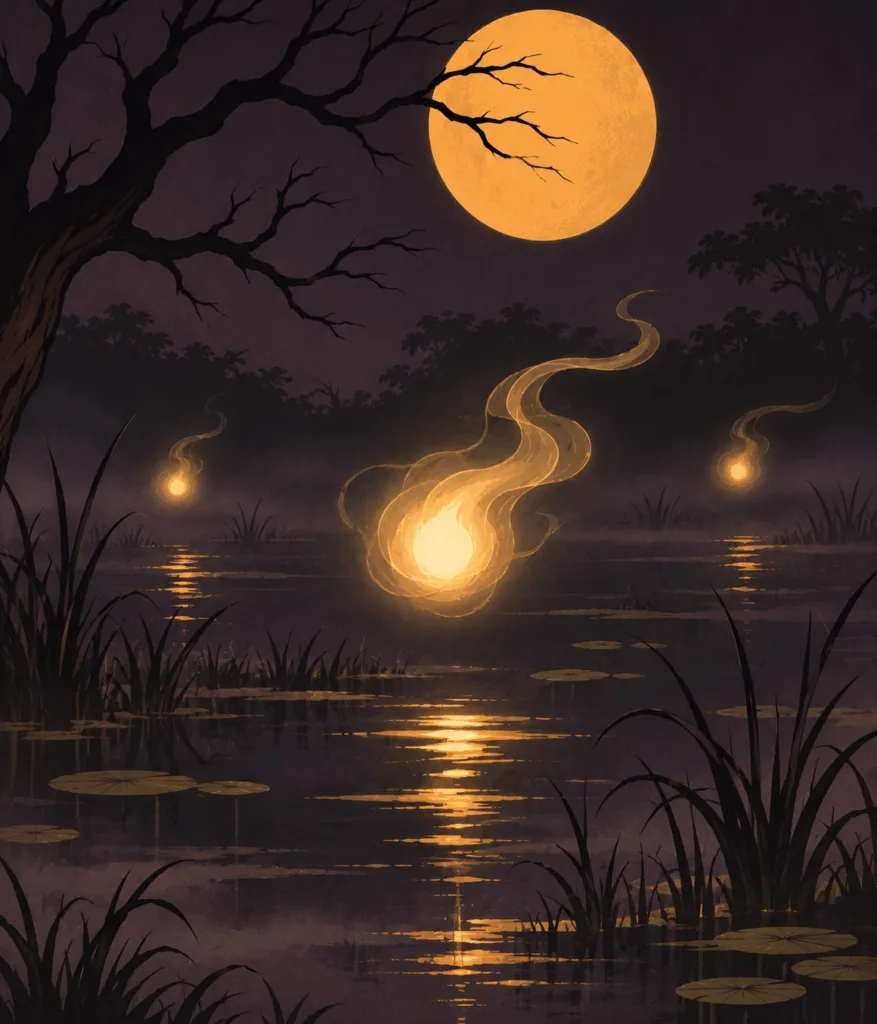
Interestingly, the phenomenon has a possible scientific explanation. Such lights are often compared to will-o’-the-wisps, which have historically been associated with marsh gases and other natural phenomena.
But in Bengali storytelling, the Aleya remains one of the most mysterious sights a person could encounter on a lonely night.
9. Ekanore: The one-legged nightmare
The name Ekanore comes from the Bengali expression for having one leg. As the name suggests, these unusual supernatural creatures are believed to have just one leg.
According to folklore, Ekanores are associated with palm trees and are sometimes described as frightening spirits that target naughty children.
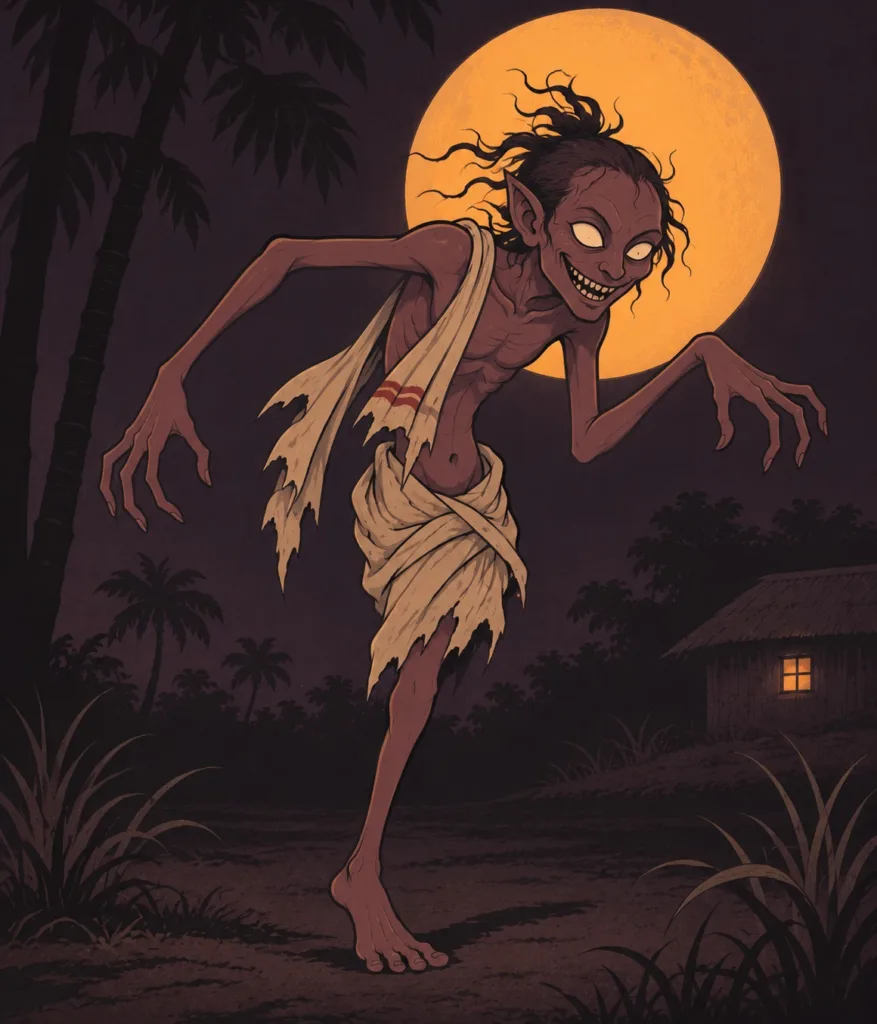
Their unusual appearance makes them particularly memorable characters in traditional ghost stories. Unlike the more familiar human-like spirits, the Ekanore is remembered for its strange physical form and unsettling movements.
For children growing up in Bengal, this was one ghost that made playing outside after sunset seem like a particularly bad idea!
10. Kanabhulo: The ghost that makes you lose your way
Have you ever heard stories about someone leaving home at night and mysteriously losing their way, despite knowing the area perfectly well?
Bengali folklore has a ghost for that too: the Kanabhulo.
The name refers to a spirit believed to confuse or mislead people, particularly those travelling alone along deserted roads after dark. According to popular tales, it can create an illusion or make a person lose their sense of direction, leading them away from familiar surroundings.
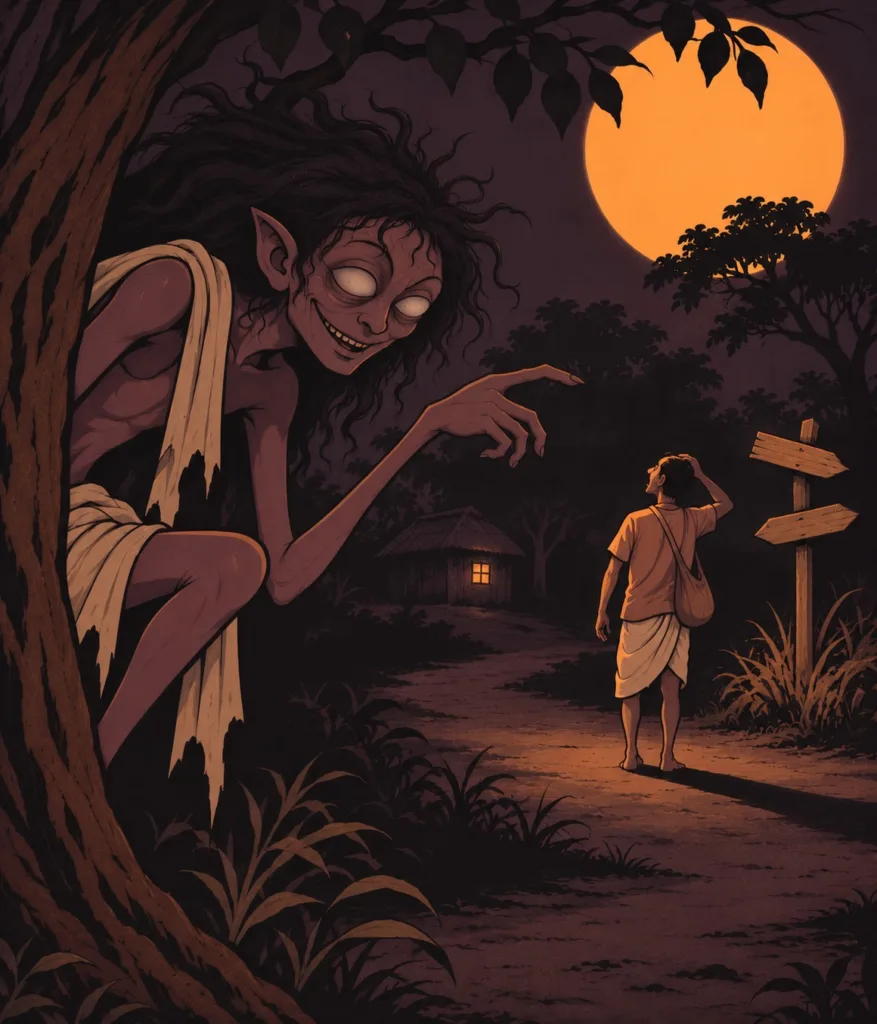
Some versions of the story describe its victims wandering endlessly before meeting an unfortunate fate.
It is perhaps one of the most unsettling ghosts in Bengali folklore because it turns an ordinary journey home into a frightening mystery.
Why Bengali ghost stories remain timeless
From the scholarly Brahmadaitya to the fish-loving Mechho Bhoot, Bengali folklore has created an entire supernatural universe with characters that are as amusing as they are frightening. These stories have travelled through generations, passed down through family conversations, village legends, literature and popular culture.
What makes them particularly fascinating is their distinctly Bengali flavour. They are rooted in familiar landscapes, everyday customs, food habits and social traditions. A pond, a banyan tree, a deserted road or even a kitchen can become the setting for a supernatural encounter.
Also Read | National Stress Awareness Day 2026 highlights how workplace culture fuels employee burnout
Perhaps that is why these ghosts continue to fascinate us. They are not merely creatures of fear; they are part of Bengal’s cultural imagination, reminding us of a time when a good ghost story, narrated under a dim lantern, was enough to keep an entire household awake.
And if you happen to hear something rustling outside your window tonight, well, it might just be the wind. Or perhaps a Gechho Bhoot looking for company!