
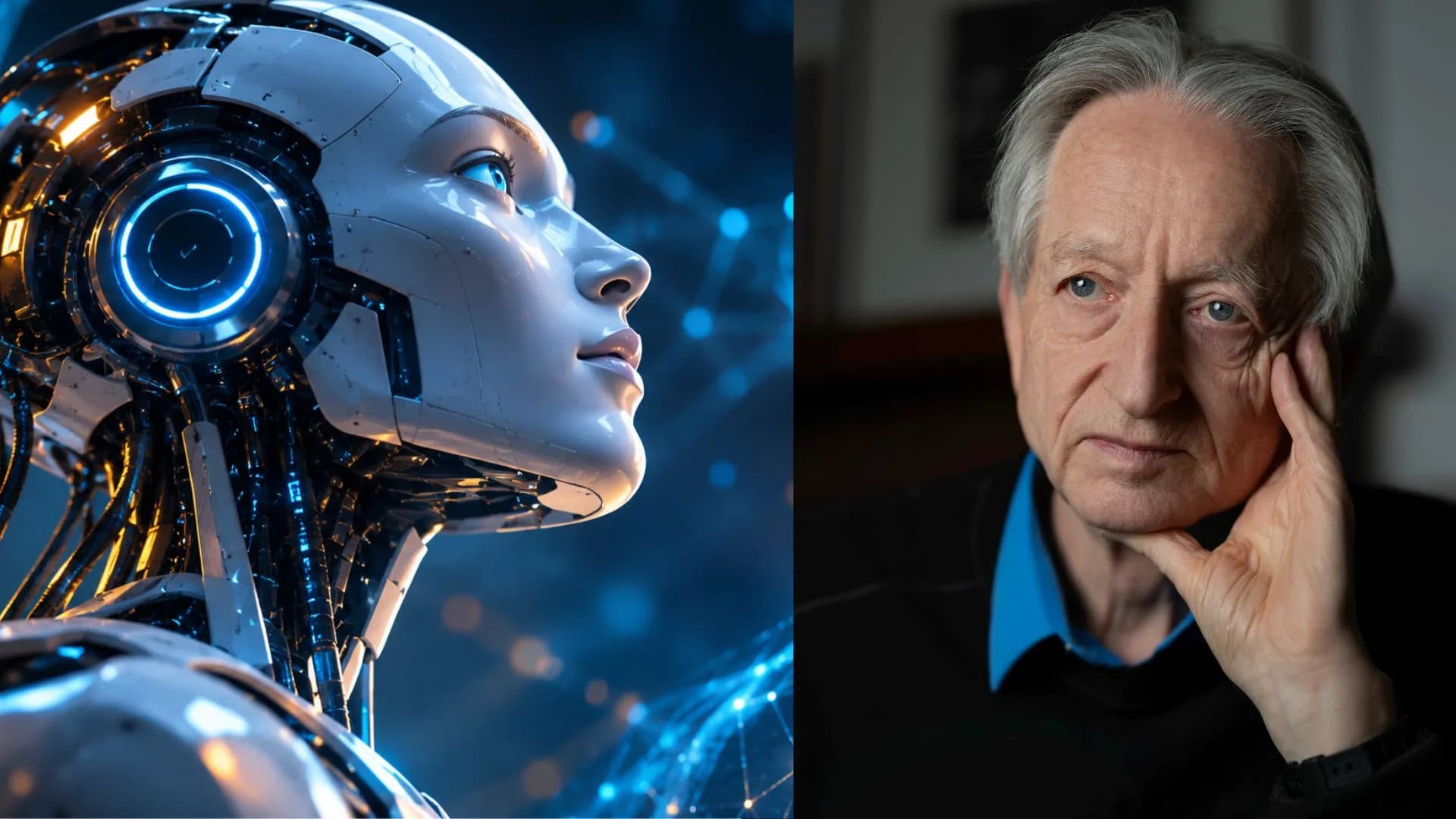





What if one of the biggest technological breakthroughs in human history had never happened? Professor Geoffrey Hinton, widely known as the ‘Godfather of AI’, has raised precisely this uncomfortable question while warning about the potential dangers of artificial intelligence. The Nobel Prize-winning computer scientist believes humanity might have been better off without developing the technology, even as AI continues to reshape workplaces and everyday life.
However, Hinton’s concerns are not limited to the risks of increasingly powerful machines. He has also identified three abilities that could help humans retain an edge over AI: exceptional creativity, manual dexterity and empathy.
‘We would have been better off never developing it’: Geoffrey Hinton on AI risks
Speaking to The Guardian in an interview published on November 3, Hinton acknowledged that artificial intelligence could lead to a positive future. However, he warned that the consequences could be severe if its development continues without adequate safety measures.
The publication quoted him as saying, “it might be that we would have been better off never developing it”.
Also Read | Does your iPhone avoid ‘Modi braggart’ and ‘Rahul is Pappu’? Here’s why
Hinton also raised the possibility of a major AI-related incident this year or next, warning that it could disrupt essential systems, including electricity and financial infrastructure. Comparing the potential consequences to a Chernobyl-scale disaster, he suggested that such an event might finally push governments and technology companies to prioritise AI safety.
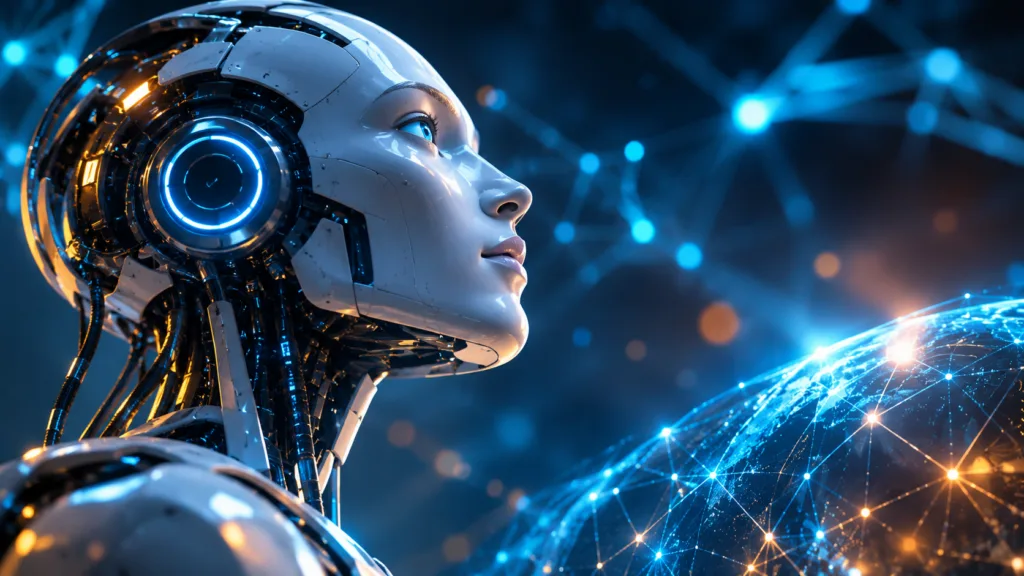
He expressed concern about the race among major technology companies to develop increasingly powerful systems, arguing that commercial interests could take priority over public safety.
Hinton called for stronger regulation and proposed an oversight mechanism similar to the US Food and Drug Administration (FDA). Under such a system, companies would have to demonstrate that their AI models do more good than harm before releasing them.
Despite these warnings, he has not ruled out a positive future, maintaining that humanity may still be able to manage the risks with sufficient effort.
Geoffrey Hinton names 3 human skills AI may not be able to replace
While artificial intelligence is becoming increasingly capable, Hinton believes certain human abilities could remain difficult for machines to replicate. A report published by NDTV on November 4 highlighted three such areas.
Also Read | Scientists discover 1,500 km-wide object beyond Pluto, could it be a new dwarf planet?
Top-level creativity: AI can generate music, images and stories, but Hinton believes it has yet to match the abilities of the best human creative artists. Exceptional originality and artistic judgement could continue to distinguish humans from machines.
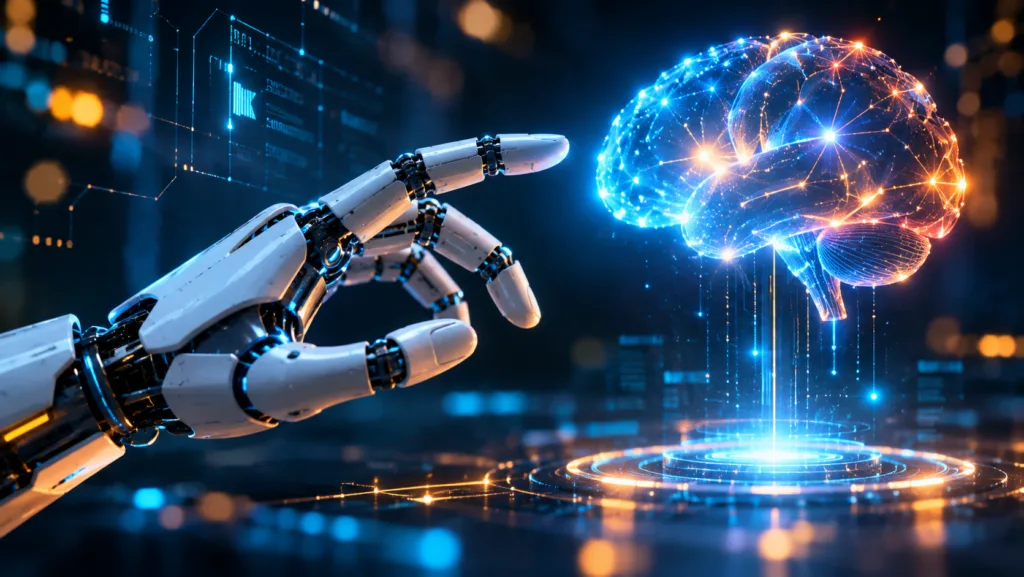
Manual dexterity: Robots still face difficulties when handling unfamiliar objects, performing delicate tasks and responding to unpredictable physical environments. These fine motor abilities remain an area where humans have an advantage.
Empathy: AI can produce seemingly compassionate responses, but Hinton draws a distinction between sounding empathetic and actually experiencing empathy. NDTV noted his observation that AI-generated responses can sometimes receive higher empathy ratings than those from human doctors, highlighting the difference between perceived and genuine emotional understanding.