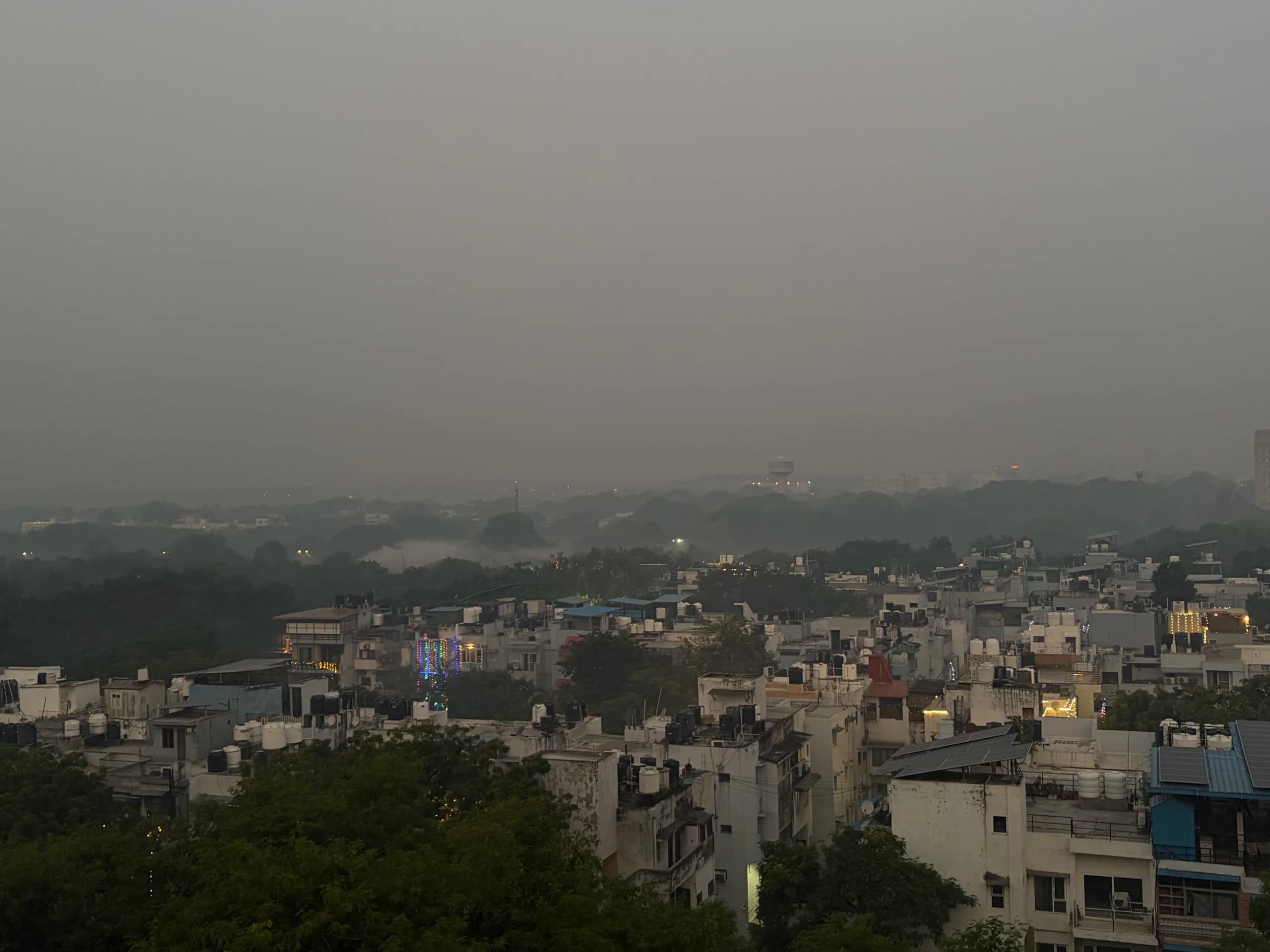


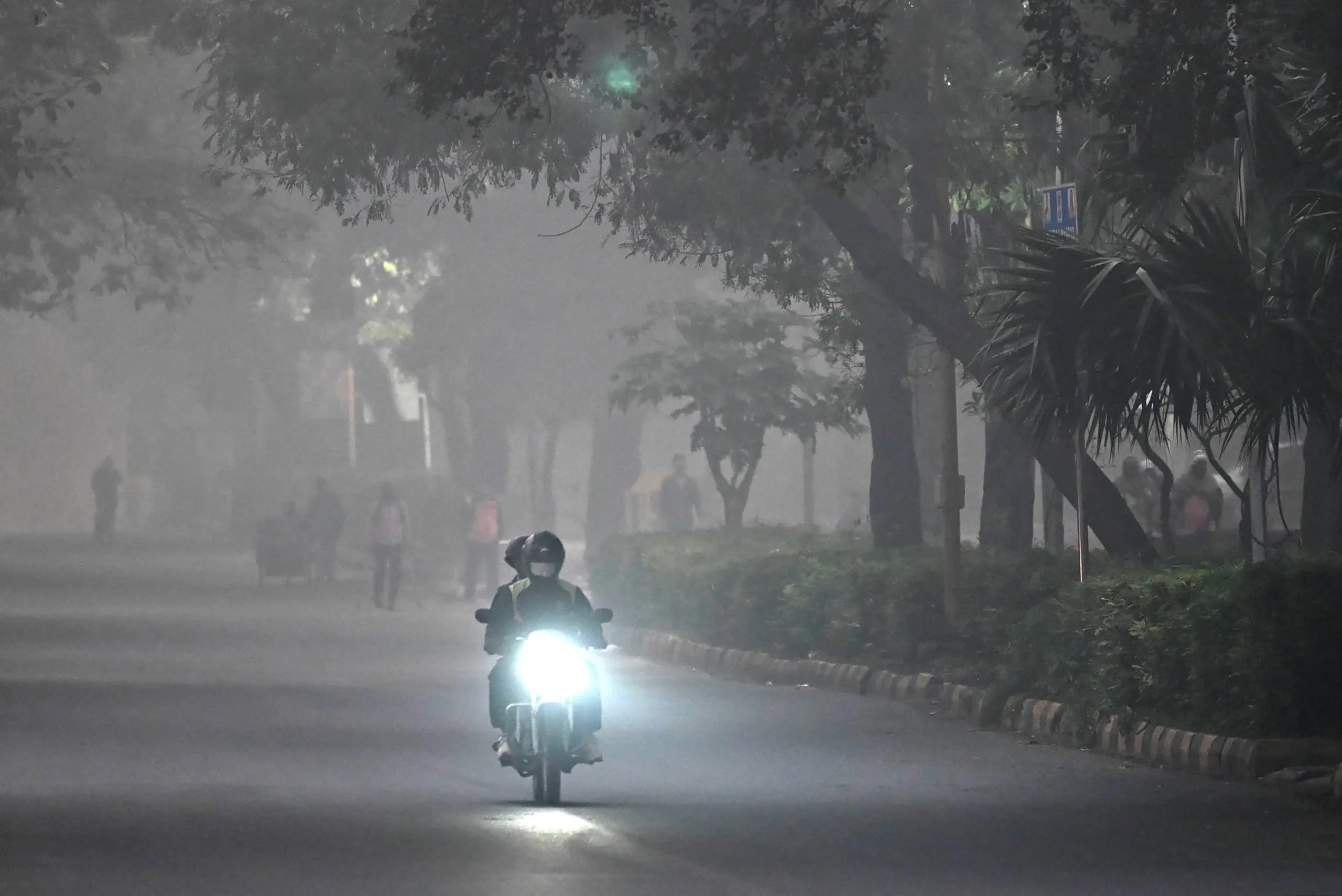



Delhi woke up to Diwali on Sunday under a thick blanket of smog after recording its most polluted festival eve in a decade. A combination of rising farm fires in Punjab and Haryana, firecracker emissions and unfavourable weather conditions pushed pollution levels higher, raising concerns about a further deterioration in air quality after the celebrations.
According to the Central Pollution Control Board (CPCB), Delhi’s average Air Quality Index (AQI) stood at 369 at 4 pm on Saturday, placing it in the very poor category. This was the highest AQI recorded on the day before Diwali since 2016, when the index had reached 404. The city’s AQI had risen from 261 on November 1, indicating a steady deterioration in air quality ahead of the festival.
The situation worsened during Saturday evening’s permitted firecracker window, with several monitoring stations recording sharp increases in fine particulate matter.
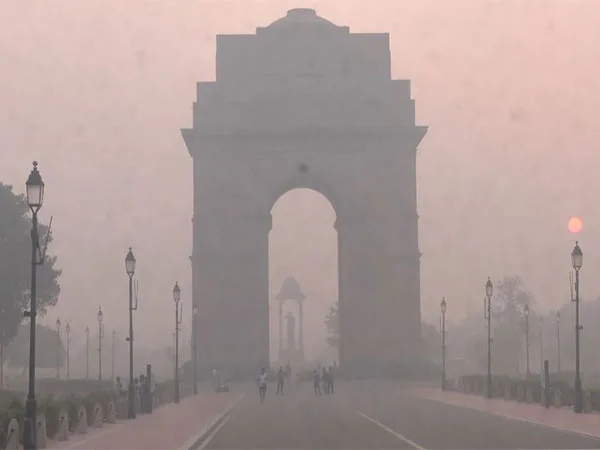
Delhi’s air pollution on Diwali worsens as PM2.5 levels surge
Data from the CPCB’s monitoring network showed that PM2.5 concentrations averaged 295 micrograms per cubic metre across Delhi’s 59 monitoring stations between 10 am and 11 am on Saturday. As many as 36 stations recorded levels above 250 micrograms per cubic metre, the threshold for the severe category for PM2.5.
Although Saturday afternoon offered better atmospheric ventilation than the preceding days, pollution levels remained higher than on Friday throughout the 11 am to 5 pm period.
The evening firecracker window brought another sharp rise. Hindustan Times’ analysis of CPCB’s 15-minute readings showed that average PM2.5 levels increased from 177 micrograms per cubic metre at 7.45 pm to 208 at 8 pm. The concentration continued climbing, reaching 289 by 10 pm across 55 reporting stations.
Some residential areas experienced particularly sharp spikes. Punjabi Bagh recorded a rise from 208 at 7 pm to 593 at 8 pm, while RK Puram registered 621 at 9 pm. Mundka recorded a reading of 718. By 9 pm, nine monitoring stations had crossed 400, compared with none at the same time on Friday.
The worsening of Delhi’s air pollution on Diwali Eve came despite the Supreme Court permitting certified green firecrackers during specified hours on November 7 and 8. The court allowed bursting between 6 am and 7 am and again from 8 pm to 10 pm.
Also Read | Delhi pollution alert: 5 key changes as schools shift primary classes to hybrid learning
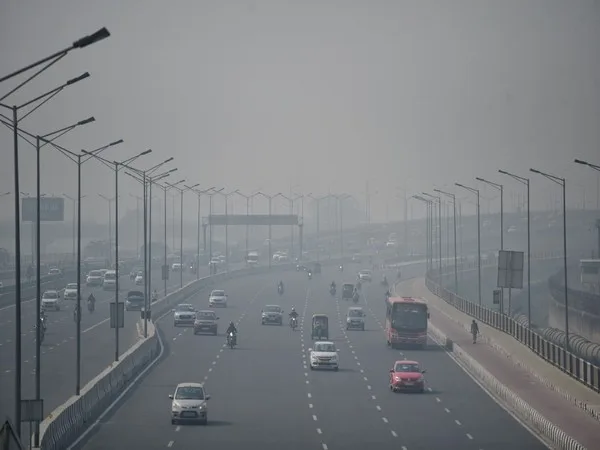
Farm fires and weak winds add to Delhi’s pollution burden
Stubble burning across Punjab and Haryana remained another major contributor to the deteriorating conditions. Data from the Indian Space Research Organisation’s INSAT-3DS satellite showed 415 fire pixels across the two states on Saturday, around 5.5 times the count recorded on November 1.
The satellite detected 647 of its 652 fire pixels between 4 pm and 6 pm. NASA satellite observations also indicated an increase in fire detections, although the two satellite systems use different methods and their absolute counts cannot be directly compared.
Weather conditions are expected to make the situation more difficult. Forecasts indicated that winds near the ground could remain weak, at around 3 km per hour on Sunday afternoon. With limited wind movement, smoke and other pollutants could remain trapped close to the surface instead of dispersing.
A layer of warmer air above the city can further restrict the upward movement of pollutants during calm nights. On Saturday morning, this inversion layer was recorded at a height of 578 metres, with temperatures 5.2 degrees Celsius higher than at ground level.
The forecast offered some relief in the direction of winds carrying farm smoke, which were expected to shift from north-westerly to south-south-easterly on Sunday afternoon. However, this change was unlikely to clear pollution already trapped over the city.
Also Read | Delhi is world’s most polluted major city before Diwali; why is its air so toxic?
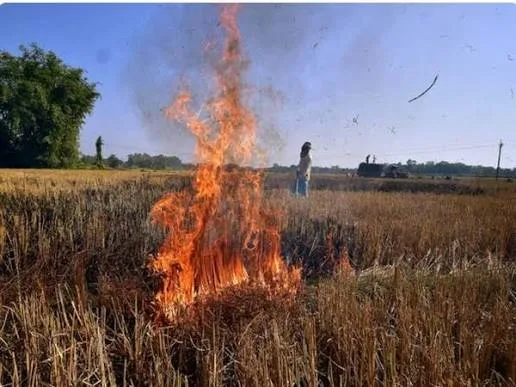
Delhi’s AQI may cross 400 by Monday morning
The Indian Institute of Tropical Meteorology (IITM) forecast that Delhi’s AQI could climb to 406 by 4 am on Monday, entering the severe category. The forecast raised concerns that the day after Diwali could bring even worse air quality, particularly as the city was already starting from a higher pollution baseline.
Sunil Dahiya, founder and lead analyst at Envirocatalysts, told Hindustan Times that the coming 48 hours could be particularly difficult because of weak winds and the existing pollution load. He identified reducing firecracker use, limiting truck movement into the city and preventing waste burning as measures that could help limit further deterioration.
Delhi’s experience during previous Diwali celebrations offers another warning. In 2020, when winds were similarly weak, the AQI stood at 414 on Diwali and rose to 435 the following day. On Diwali night last year, average PM2.5 levels across 27 monitoring stations that reported overnight data reached 1,137 micrograms per cubic metre at 2 am, compared with 535 at 10 pm.
The AQI on the day after Diwali has crossed 400 in four of the 11 years since 2015. Historical data also identifies November 6 to 9 as a particularly polluted period in Delhi, with the average AQI typically around 376 during these dates.
With firecracker emissions, agricultural fires and stagnant weather conditions converging, Delhi air pollution on Diwali could intensify further before conditions improve.