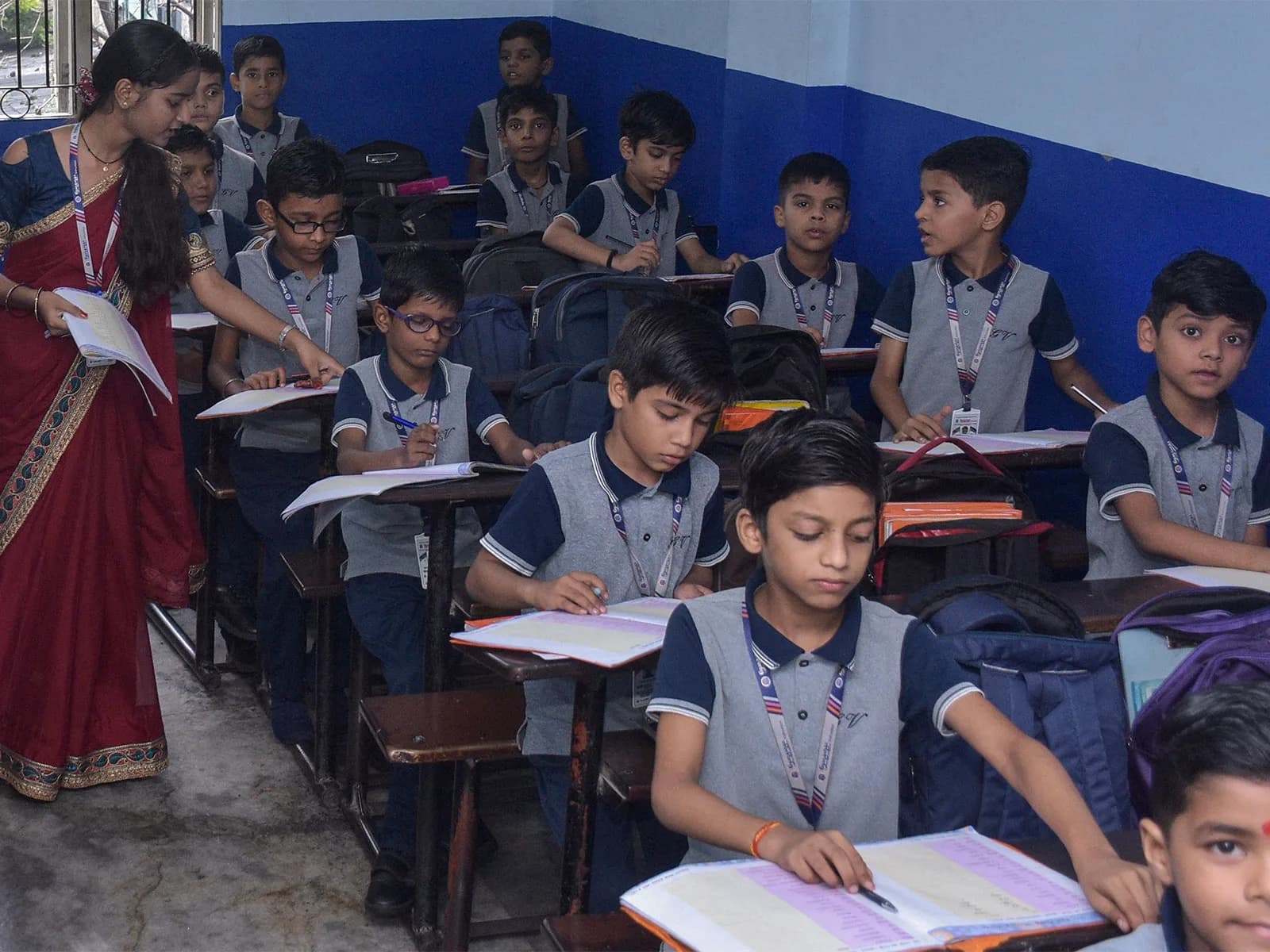











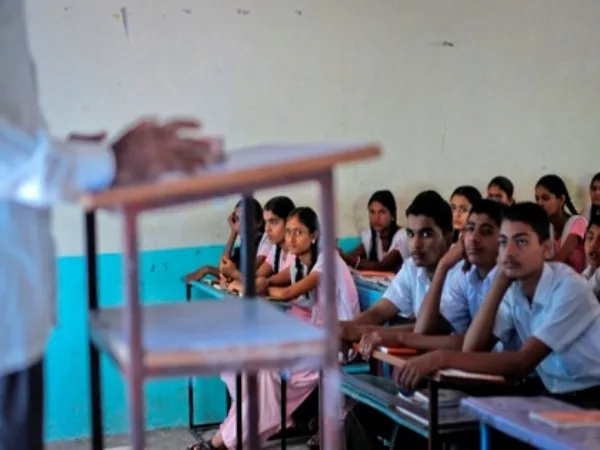
Delhi’s worsening air quality has prompted the Directorate of Education to introduce changes in the way primary classes are conducted across the national capital. All government and private schools have been directed to offer classes up to Class 5 in hybrid mode, allowing students to attend lessons either physically or online.
The order, issued on Friday, November 6, applies to government, government-aided and recognised unaided private schools under the Directorate of Education. Institutions managed by the New Delhi Municipal Council (NDMC), Municipal Corporation of Delhi (MCD) and Delhi Cantonment Board are also covered.
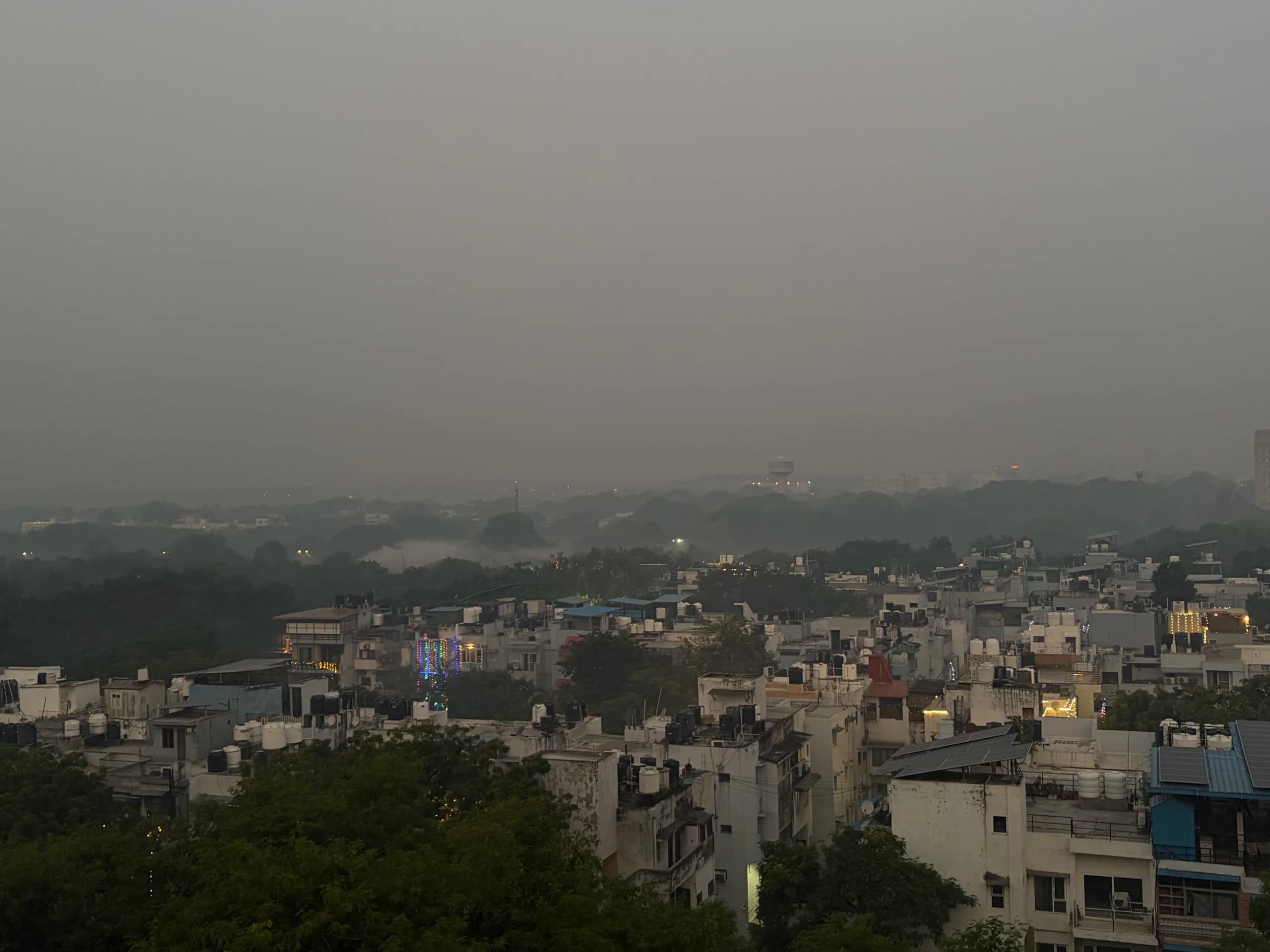
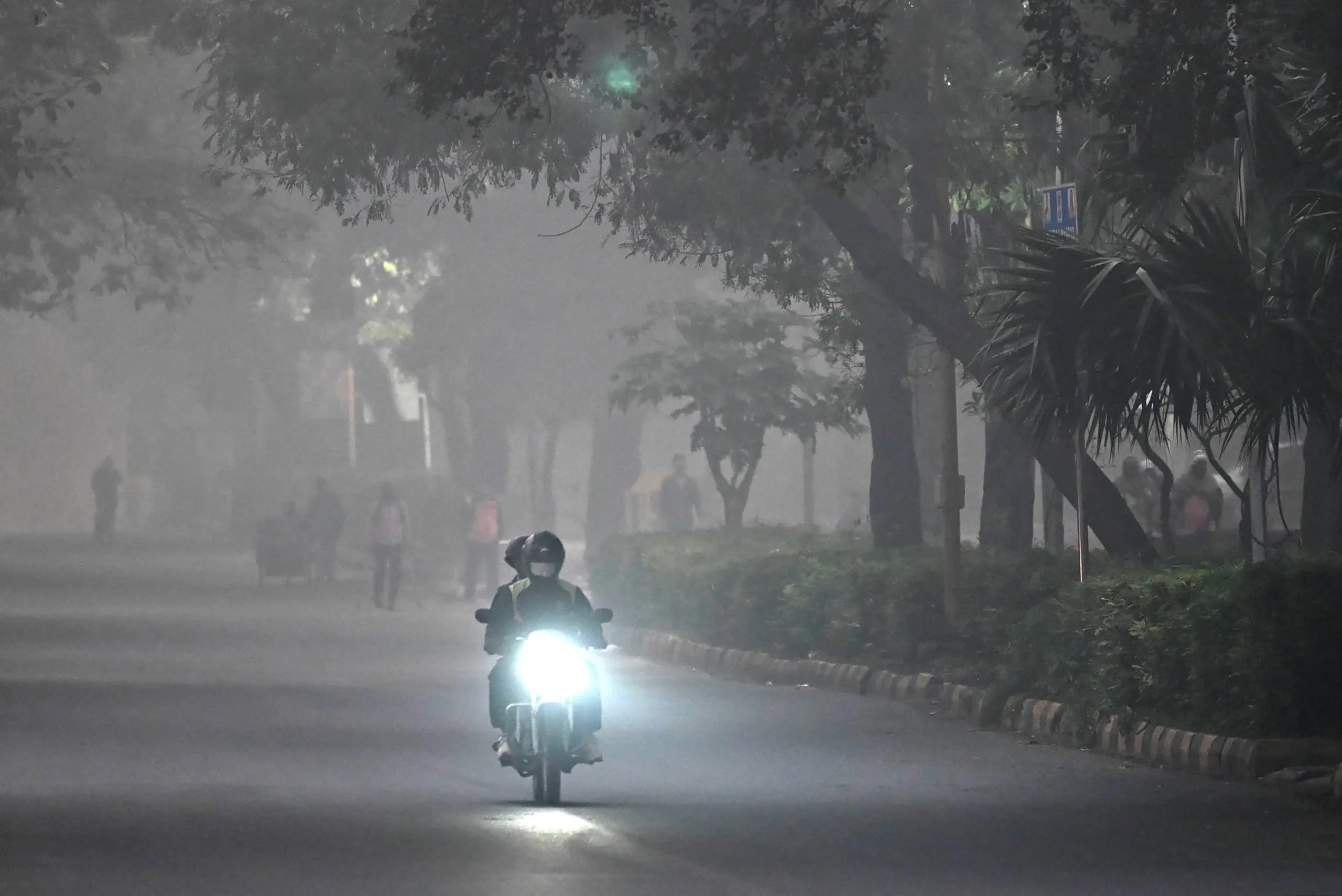
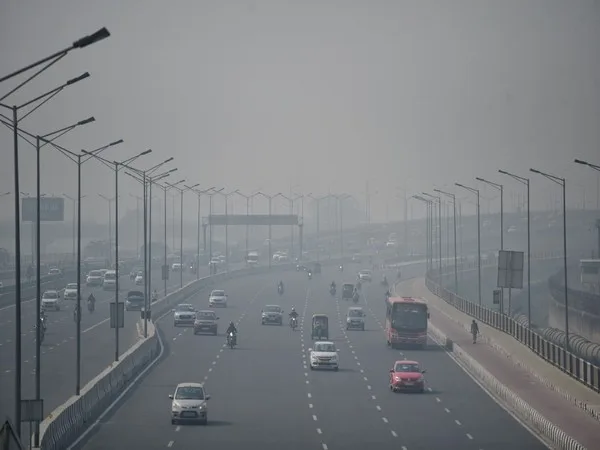
The decision comes ahead of Diwali, when pollution levels are already a major concern for residents. On Saturday morning, Delhi’s Air Quality Index (AQI) stood at 364 at 9.05 am, placing the city in the very poor category, according to Central Pollution Control Board (CPCB) data.
Which classes and institutions are covered?
The hybrid learning arrangement applies to students up to Class 5 in all government and private schools covered by the Directorate of Education’s order.
Schools have been instructed to make both physical and online learning arrangements available. This means parents and guardians can choose the mode of attendance for their children, depending on the facilities provided by the institution.
The directive covers government schools, government-aided institutions and recognised unaided private schools. It also extends to schools administered by the NDMC, MCD and Delhi Cantonment Board.
The Directorate of Education has asked school heads to inform parents and guardians about the revised arrangement immediately. The instruction is intended to ensure that families are aware of the available options and can plan their children’s attendance accordingly.
Deputy Directors of Education across districts and zones have also been directed to visit schools under their respective jurisdictions. Their responsibility will be to monitor the implementation of the order and ensure that institutions follow the prescribed arrangements.
Also Read | Delhi is world’s most polluted major city before Diwali; why is its air so toxic?
Why has Delhi introduced hybrid classes for primary students?
The decision to introduce hybrid school mode follows the Commission for Air Quality Management’s (CAQM) invocation of Stage III measures under the Graded Response Action Plan (GRAP) across Delhi-NCR.
The restrictions came into effect immediately on Friday as pollution levels deteriorated in the national capital and surrounding areas. The school directive has been issued in compliance with the CAQM’s order.
GRAP is a series of emergency measures activated in response to worsening air quality. Stage III restrictions include curbs on construction and demolition activities, restrictions on certain vehicles and measures aimed at reducing pollution across the region.
The move towards hybrid learning is intended to reduce children’s exposure to polluted outdoor air while allowing their education to continue. Younger students are among those for whom limiting prolonged outdoor exposure is particularly important during periods of poor air quality.
Parents should follow communications issued by their respective schools regarding online class schedules, attendance arrangements and other practical details. The order does not announce a complete closure of primary schools. Instead, it provides for a hybrid system.
Also Read | E20 petrol row: 3 oil majors challenge Karnataka’s 31% ethanol findings
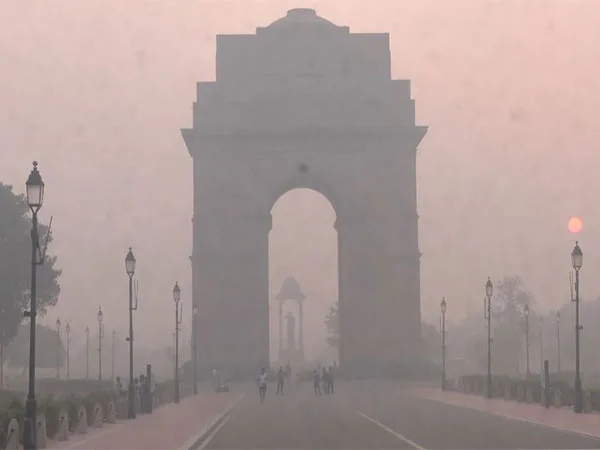
Delhi AQI reaches 364 as PM2.5 dominates monitoring stations
Delhi’s air quality remained in the very poor category on Saturday, November 7, a day before Diwali. CPCB data recorded an AQI of 364 at 9.05 am, indicating a high level of pollution across the capital.
PM2.5 was the leading pollutant at 53 of the city’s 59 air quality monitoring stations. These fine particles can penetrate deep into the respiratory system, making prolonged exposure a health concern.
Under the CPCB’s classification, an AQI between 0 and 50 is considered good, while 51 to 100 is satisfactory. Readings between 101 and 200 fall under the moderate category, 201 to 300 are classified as poor, and 301 to 400 are very poor. Any reading between 401 and 500 is categorised as severe.
With the AQI remaining elevated ahead of Diwali, the Delhi school hybrid mode arrangement is among the steps being taken to limit children’s exposure to polluted conditions.
The CAQM’s Stage III restrictions and the education department’s directive underline the seriousness of the pollution situation. Parents are advised to stay in touch with schools for updates on class schedules and follow official advisories as air quality conditions evolve.