








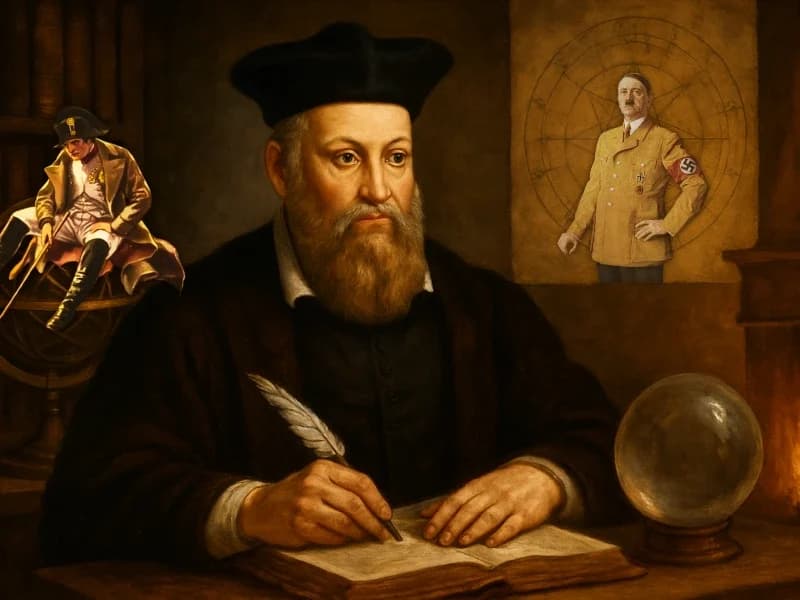





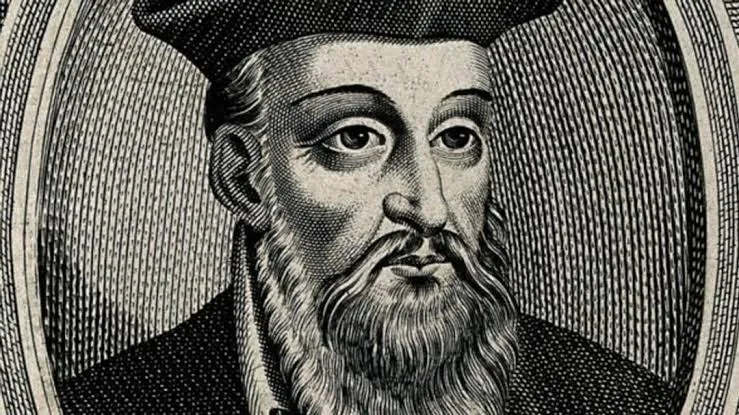
The year 2027 is attracting attention among followers of Nostradamus, the 16th-century French astrologer whose cryptic writings have inspired centuries of speculation about the future. From destructive wildfires and extreme weather to a possible financial crisis and apocalyptic scenarios, several interpretations of his verses are now being linked to the coming year.
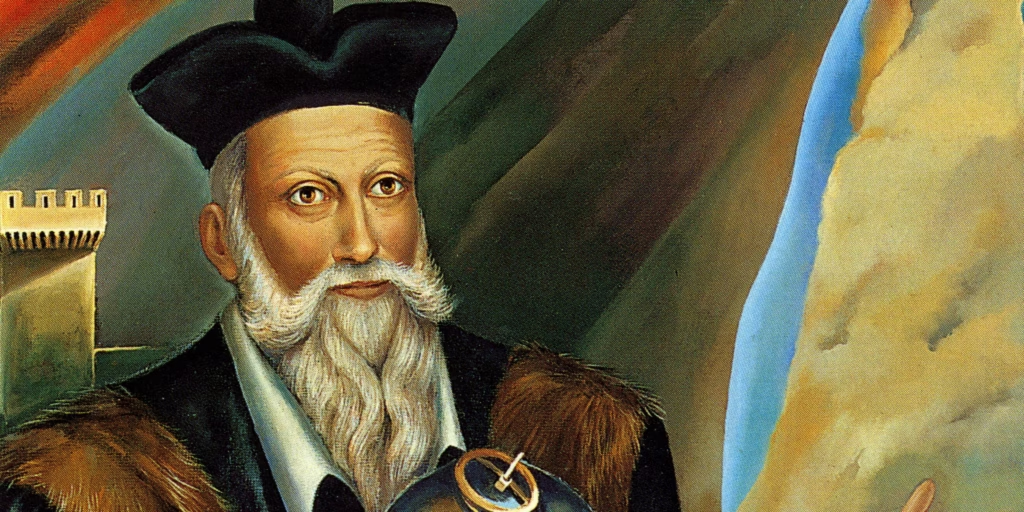
Michel de Nostredame, popularly known as Nostradamus, died in 1566. His collection of prophecies, written largely in the form of four-line verses known as quatrains, has repeatedly been associated with major historical events. Admirers have claimed that his writings anticipated developments such as the French Revolution and the Great Fire of London in 1666, although these interpretations remain disputed.
The latest Nostradamus predictions for 2027 draw on passages that do not explicitly mention the year. Instead, modern readers are attempting to connect symbolic references to contemporary concerns. There is no established evidence that Nostradamus identified 2027 as the year for any of these events.
Wildfires and extreme weather could dominate 2027
One interpretation highlighted by Sky History links Nostradamus’ writings to increasingly destructive weather conditions and wildfires.
The theory centres on the 27th quatrain of Century XI, which contains references to celestial fire coming from the west and movement from the south towards the east. Another line mentions worms that are half dead and unable to find a root.
Some modern interpreters believe the imagery could describe environmental destruction, drought and wildfires. They have connected the passage to concerns about rising temperatures and increasingly severe weather events.
However, the verse does not identify a particular country, year or climate-related event. The suggestion that it refers specifically to 2027 is a contemporary interpretation rather than a confirmed prediction.
Also Read | Dhanteras: Know the story behind the festival of wealth, health and prosperity

Economic crisis and financial collapse fears
Another passage being discussed in connection with Nostradamus’s predictions for 2027 concerns money, debt and financial instability.
The 28th quatrain of Century VIII refers to inflated copies of gold and silver, exhaustion caused by debt, and the wiping out of scripts and bonds. Some interpreters have treated these references as a warning of a major economic crisis, potentially unfolding around 2028.
The theory has gained attention amid continuing concerns about inflation and mounting government debt in the United States. The US national debt crossed the $40 trillion mark in 2026, adding to discussions about the long-term sustainability of public finances.
Nevertheless, the passage does not provide a clear economic forecast, identify a country or specify a date. Connecting its language to a future financial crash is speculative, not evidence of an impending collapse.
Also Read | Baba Vanga’s 2027 predictions: 5 claims about superhumans, gold and Russia
Middle East tensions and political upheaval in France
Other interpretations of Nostradamus’ quatrains have been linked to possible geopolitical developments.
One passage refers to fire and weapons near the Black Sea and a figure arriving from Persia to occupy Trebizond, a historical city in present-day Turkey. Since Persia is associated with modern-day Iran, some readers have interpreted the verse as a possible reference to conflict involving the Middle East.
Another passage mentions a figure striking the Dauphin, a historical title used for the heir to the French throne. Some interpreters have attempted to connect this reference to political uncertainty in France, which is scheduled to hold its next presidential election in 2027.
French President Emmanuel Macron cannot seek another term after completing two consecutive presidential terms. However, there is no reliable basis for treating Nostradamus’ wording as a prediction of a specific political event or candidate.
Could 2027 bring the end of the world?
The most dramatic theory surrounding Nostradamus’s predictions for 2027 suggests that the year could mark an apocalyptic turning point.
The Times of India has reported speculation that combines Nostradamus’ writings with the so-called Prophecy of the Popes, traditionally attributed to Saint Malachy. Some interpretations of the latter have suggested that Pope Leo XIV could be the final pontiff.
An allegedly prophetic passage describing a great lion on the throne presiding over a world consumed by fire and flood has also circulated in discussions about this theory.
However, the attribution and authenticity of this wording are unestablished. The supposed connection between Pope Leo XIV, Nostradamus and the end of the world rests on combining separate prophetic traditions and interpreting them through a modern lens.
Nostradamus’ writings have repeatedly been associated with dramatic predictions that fail to materialise or are reinterpreted after major events. Claims about the world ending in 2025, for instance, did not come true.
The Nostradamus predictions for 2027 should therefore be treated as speculation rather than reliable forecasts. His verses are sufficiently vague to invite multiple interpretations, but they do not provide verifiable evidence that wildfires, financial collapse or an apocalypse are destined to occur in 2027.