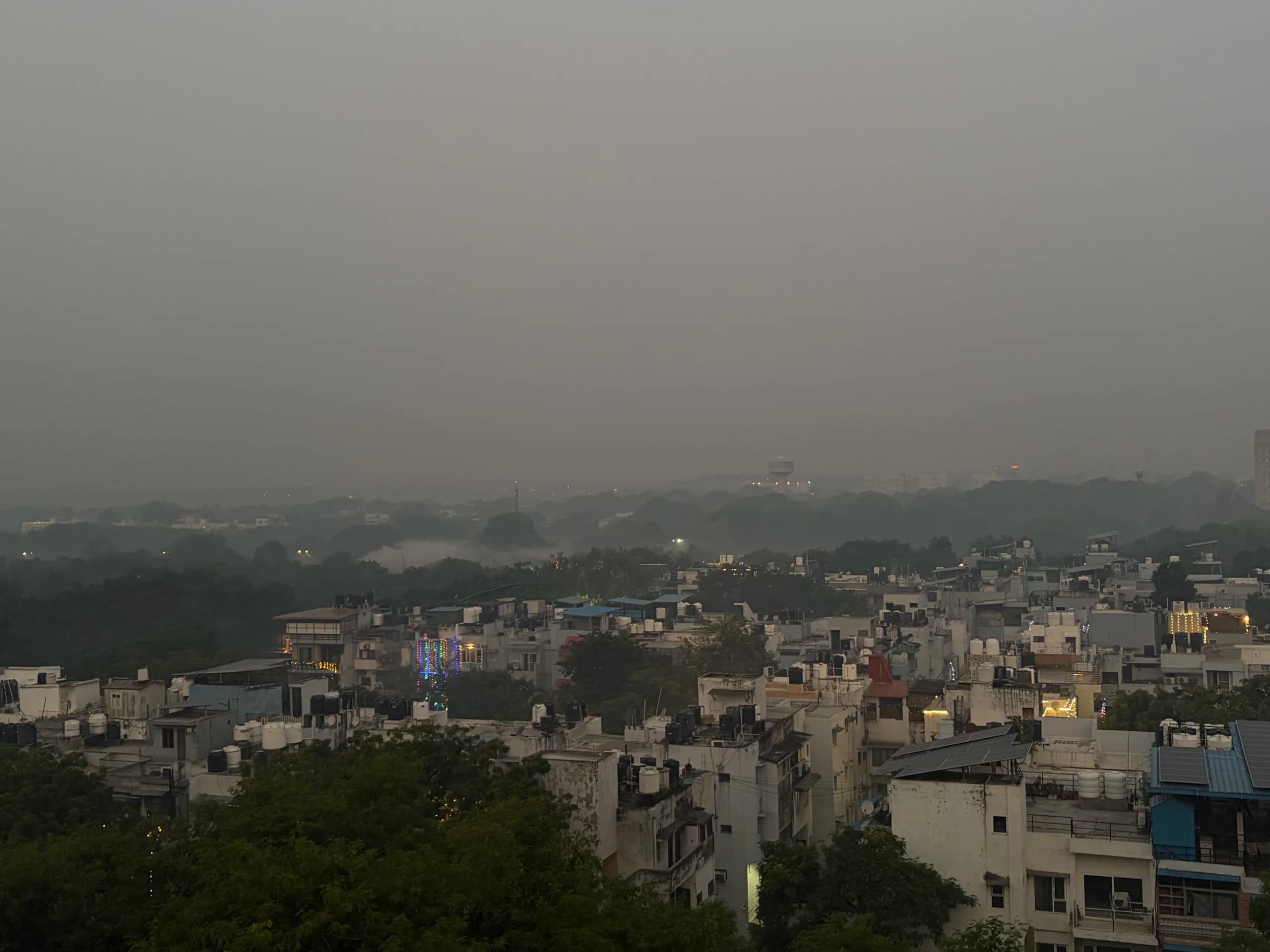


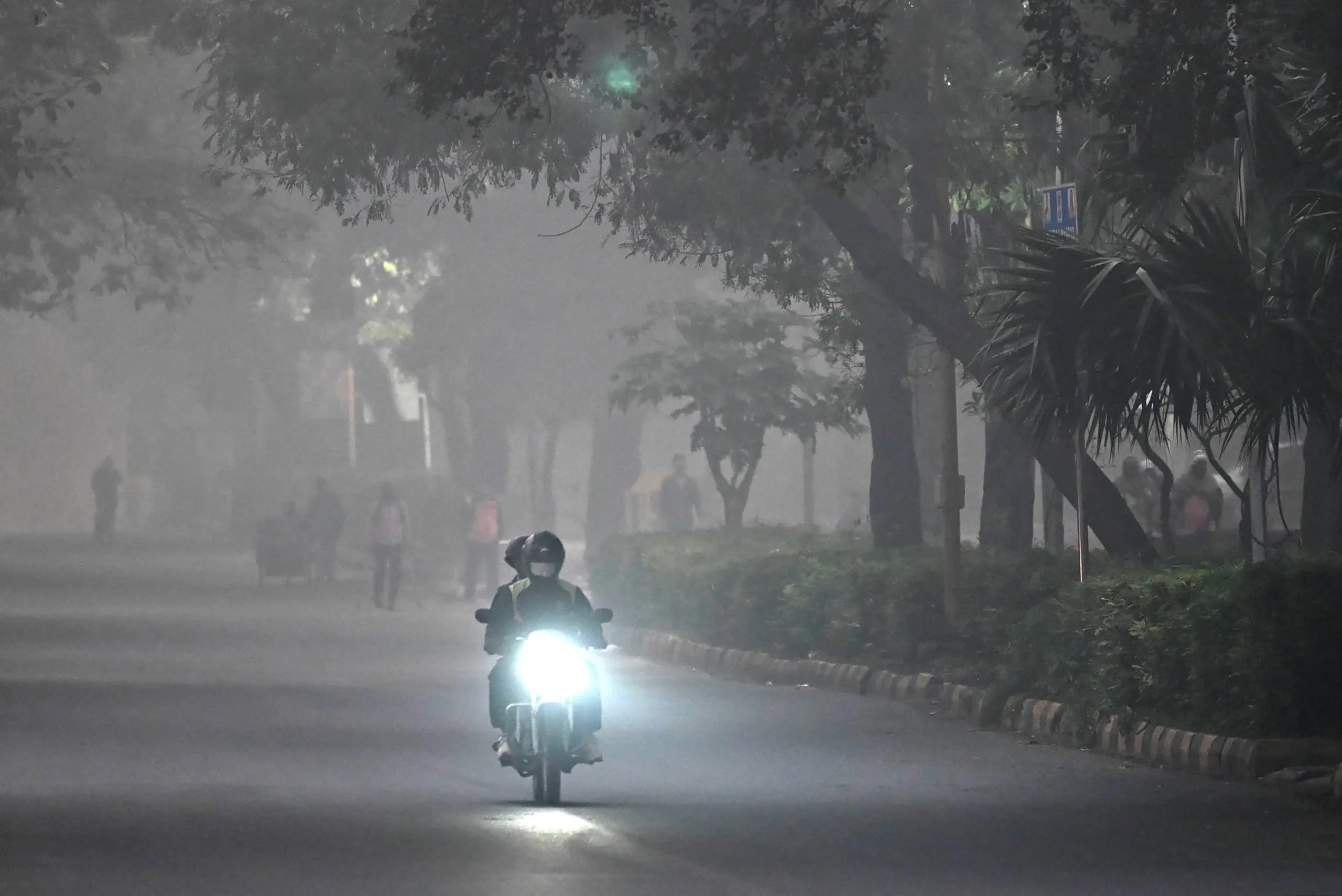


Delhi’s air pollution problem has taken a worrying turn just a day before Diwali. On Saturday, November 7, the national capital ranked as the world’s most polluted major city, according to Swiss air-quality monitoring group IQAir.
Its live ranking placed Delhi at the top at 10.35 am, with a US Air Quality Index (AQI) reading of 581. Lahore, in neighbouring Pakistan, followed with a reading of 285.
The ranking came as forecasts warned of further deterioration around the festival, which is often accompanied by widespread firecracker use.
Delhi’s AQI hits 366 (Very Poor), while IIT Delhi records a staggering 442 and Punjabi Bagh 433. Mundka and Jahangirpuri stand at 421, as toxic air blankets the national capital. 📍 CPCB data | 6:05 AM #DelhiPollution #DelhiAQI #DelhiNCR https://t.co/GSbVeEABvY
— Smriti Sharmaa (@SmritiSharma_) November 7, 2026
Also Read | E20 petrol row: 3 oil majors challenge Karnataka’s 31% ethanol findings
One city, two scales, no contradiction
However, the numbers need some context. India’s Central Pollution Control Board (CPCB) recorded Delhi’s AQI at 363 at around 10 am on Saturday. This placed the city in the ‘very poor’ category under India’s national air-quality scale.
The difference between the two figures does not mean that one agency has found more pollution than the other.
IQAir uses the US AQI system, while the CPCB follows India’s own methodology. Their readings are not directly comparable.
PM2.5, the rather unwelcome guest
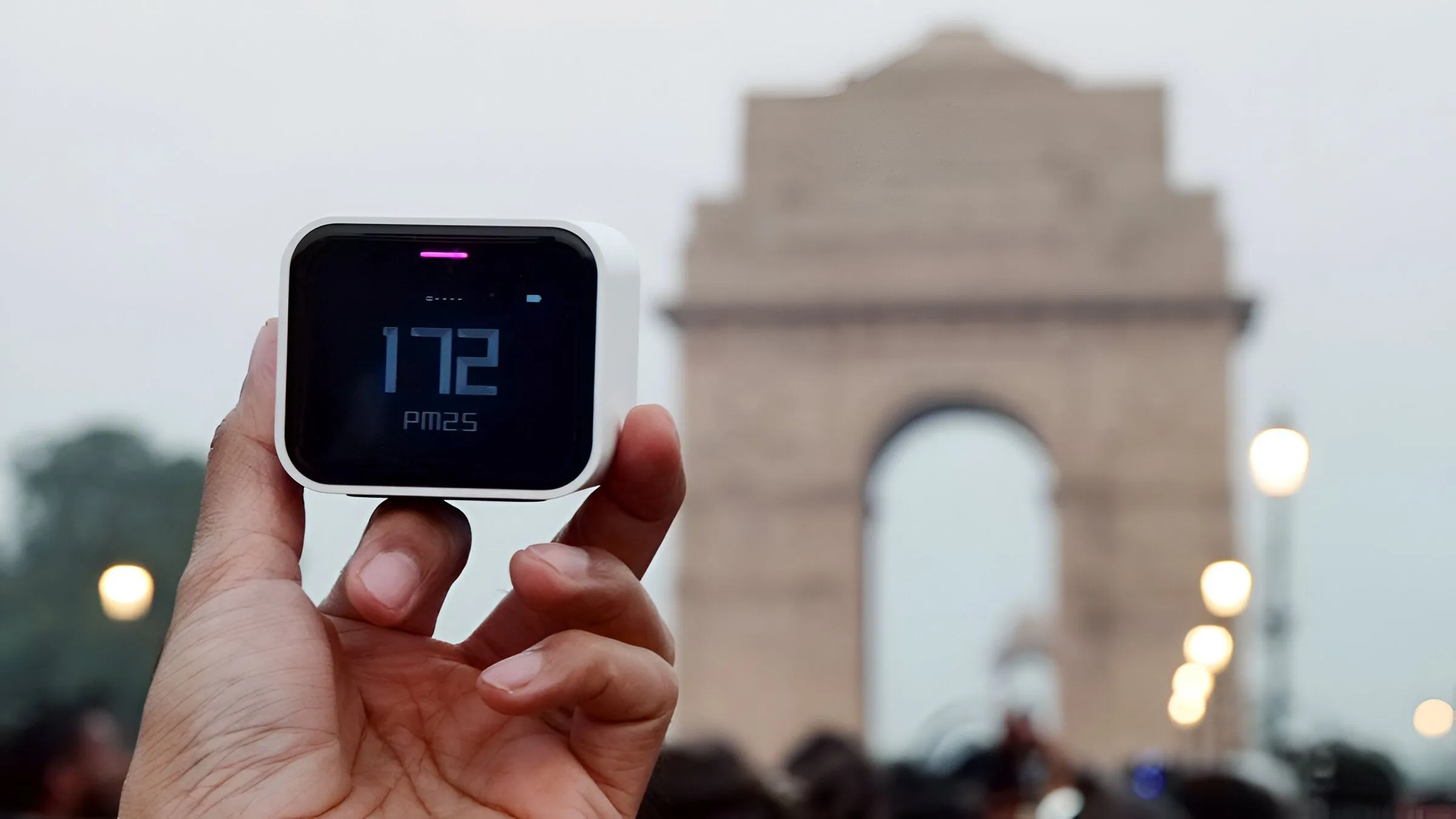
The Air Quality Index is a way of translating the concentration of pollutants in the air into a number that people can understand. It helps indicate how clean or polluted the air is and what the possible health risks may be.
India’s AQI takes measurements of several pollutants, including PM2.5, PM10, nitrogen dioxide, sulphur dioxide and carbon monoxide. Each pollutant gets a separate score, and the highest sub-index determines the final reading.
The biggest concern in Delhi right now is fine particulate matter, particularly PM2.5. These are tiny particles measuring less than 2.5 micrometres in diameter. They are small enough to travel deep into the lungs.
PM10, on the other hand, includes larger particles commonly associated with road and construction dust. Delhi’s air-quality monitoring portal showed PM2.5 as the leading pollutant at 52 monitoring stations in its 11 am update on Saturday.
Winter puts a lid on the city
The question is why Delhi’s air gets worse around this time of the year. The answer lies in a combination of pollution sources and weather conditions.
Vehicles, industries, construction activity, road dust and waste burning release pollutants throughout the year. Smoke from agricultural residue burning in neighbouring states also adds to the problem during the post-monsoon months.
These emissions do not disappear when the weather changes. Instead, winter conditions make it harder for the pollutants to disperse.
As temperatures fall, the air close to the ground becomes cooler and denser. In certain conditions, a layer of warmer air above it prevents the cooler air from rising.
This phenomenon is known as a temperature inversion. It acts like a lid over the city, trapping pollutants closer to the surface. Weak winds and a shallow mixing layer further reduce the movement of polluted air. As a result, emissions from different sources accumulate instead of dispersing into the atmosphere.
The Delhi government’s Environment Department identifies calm winter conditions, inversion and biomass burning as important factors behind seasonal pollution episodes.
Firecrackers are not the whole story
Diwali adds another layer of concern. Firecrackers release smoke and particulate matter into an atmosphere that is already heavily polluted. Their impact can be particularly damaging when wind speeds are low and pollutants remain trapped near the ground.
However, it would be misleading to blame the entire pollution crisis on fireworks. Delhi was already recording very poor air quality before the festival.
Traffic emissions, industrial activity, dust, waste burning and seasonal factors have contributed to the deterioration. Firecrackers risk making an existing problem worse.
Authorities have begun taking precautionary measures ahead of the festival. The Commission for Air Quality Management (CAQM) invoked Stage III of the Graded Response Action Plan (GRAP) across Delhi-NCR with effect from November 6.
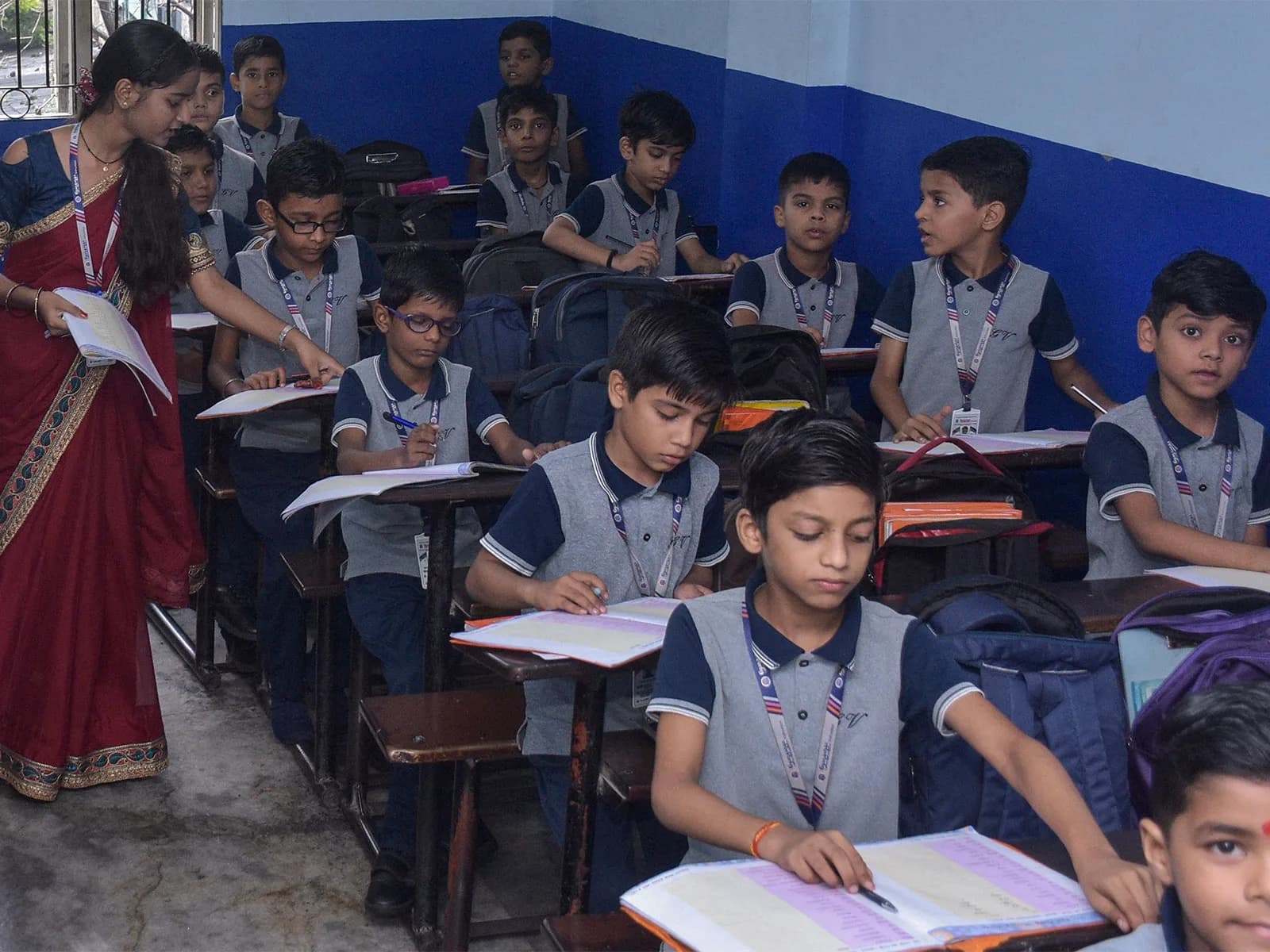
Schools in and around Delhi have also been directed to offer online classes, while people have been encouraged to work from home.
The measures aim to reduce exposure and limit further deterioration as the city approaches Diwali on Sunday, November 8.
Also Read | Yamuna pollution: Swedish firm explores sewage treatment partnership with Delhi government
Beyond the festival lies a longer fight
The immediate concern is how much worse the air could get over the festival period. But Delhi’s recurring winter pollution cannot be addressed through festival-related restrictions alone.
The crisis involves emissions from multiple sources, regional pollution and weather conditions that allow harmful particles to build up.
The challenge extends well beyond a single night of celebrations.