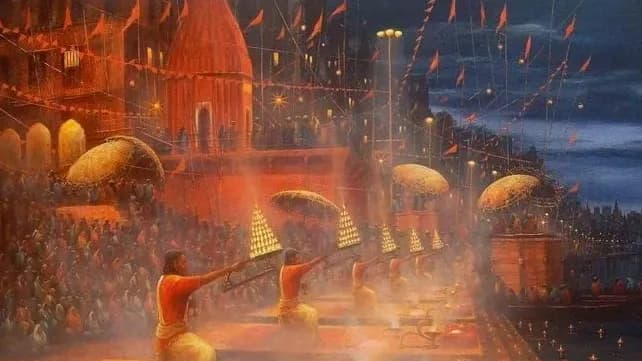






Diwali, one of India’s most widely celebrated festivals, is associated with lights, diyas, prayers and family gatherings. The festival falls on Kartik Amavasya, the new moon night, traditionally considered one of the darkest nights of the year. Over time, several mythological stories and legends have become closely associated with Diwali, giving the festival different meanings across regions.
Lord Ram’s return to Ayodhya
The most widely known Diwali legend is linked to Lord Ram’s return to Ayodhya after 14 years of exile. According to the Ramayana, Ram returned with Sita and Lakshman after facing a series of challenges during his exile, including Sita’s abduction and her subsequent agni pariksha.
Also Read | AI myths and risks: Why global cooperation matters in the race for superintelligence
The people of Ayodhya are believed to have welcomed Ram and Sita by lighting rows of diyas throughout the city. The tradition of illuminating homes during Diwali is often associated with this return and is seen as a celebration of hope, happiness and the triumph of good over evil.
Kali’s fury and the story behind Kali Puja
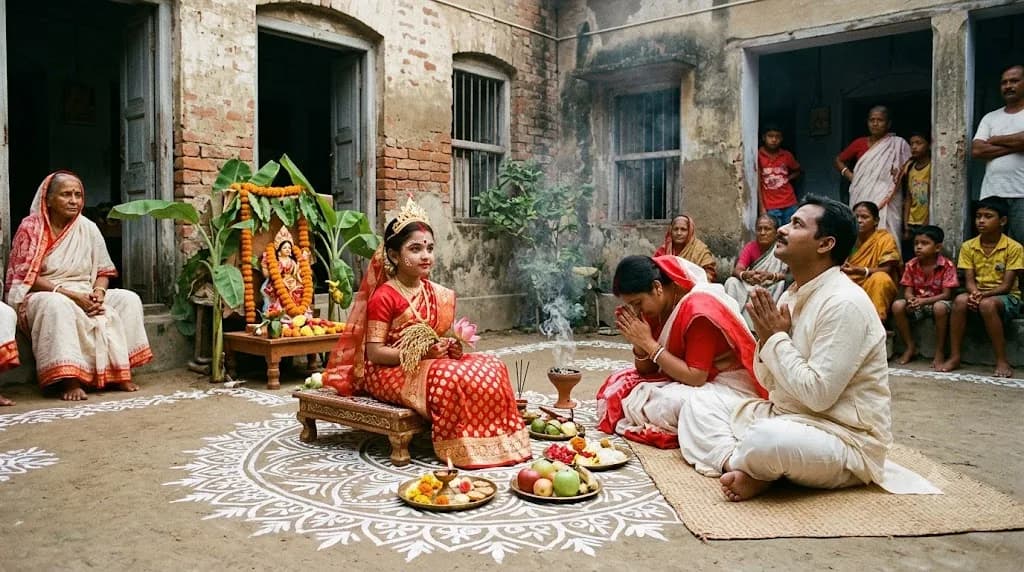
In West Bengal, Diwali is closely associated with Kali Puja. One popular legend tells of a time when evil had spread uncontrollably across the world, leaving the gods in need of a powerful force to restore balance.
They turned to Goddess Kali, described in the legend as a formidable form of Parvati. Kali destroyed the forces of evil but became so consumed by her fury that she continued her destructive spree even after the battle had ended.
According to the story, Lord Shiva eventually lay down in her path. When Kali realised that she had stepped on Shiva, she came back to her senses, bringing her destructive fury to an end.
The emergence of Goddess Lakshmi
Diwali is also associated with Goddess Lakshmi, the deity of wealth and prosperity. According to Hindu mythology, Lakshmi emerged from the ocean during the Samudra Manthan, or the churning of the ocean, when the gods and demons worked together to churn its waters.
Also Read | Can Indian mythology become the next global storytelling universe?
Her emergence is linked to the tradition of Lakshmi Puja on Diwali night, when devotees worship the goddess and seek prosperity and abundance.
The coronation of King Vikramaditya
Another tradition connects Diwali with the legendary King Vikramaditya. Some accounts hold that Vikramaditya was crowned king on this day.
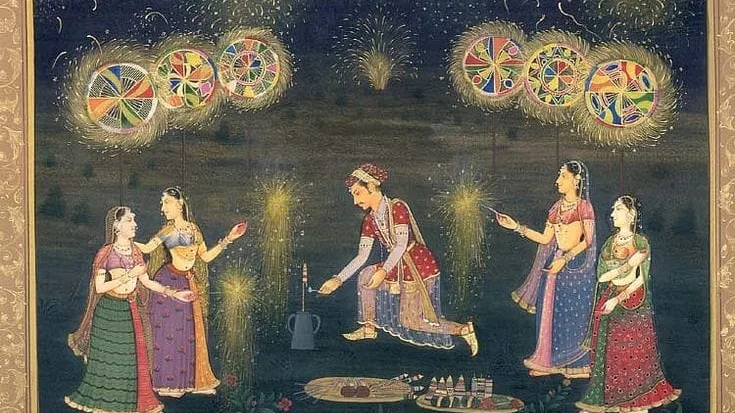
The occasion was reportedly celebrated by people lighting earthen lamps, adding another historical-legendary association to the festival.
The defeat of Narakasur
A lesser-known Diwali story concerns the demon king Narakasur. According to the legend, Narakasur had defeated Lord Indra and taken away the earrings of Goddess Aditi. He had also imprisoned 16,000 daughters of gods and sages.
Satyabhama, the wife of Lord Krishna and a relative of Aditi, is said to have fought Narakasur with Krishna’s support. She defeated the demon, freed the imprisoned women and recovered Aditi’s earrings.
The story is particularly associated with the celebrations preceding Diwali in several traditions.
The Pandavas return from exile
Diwali lore also includes a story about the Pandavas. According to one tradition, the five brothers returned from their 13-year exile around this time.
The Pandavas had been sent into exile after losing a game of dice to the Kauravas. Their return is sometimes placed alongside the other stories of homecoming associated with the festival.
Diwali therefore carries several layers of mythology, with different legends connecting the festival to victory, homecoming, prosperity and the restoration of balance. While the return of Lord Ram remains the most familiar story for many, the traditions surrounding Kali, Lakshmi, Narakasur, Vikramaditya and the Pandavas show how varied the lore associated with the festival can be.