







India’s ambitions of becoming a major artificial intelligence hub could depend not only on creating a large pool of skilled professionals but also on keeping its most experienced technology talent within the country. Salesforce chief digital evangelist Vala Afshar has highlighted talent retention as an important challenge as companies worldwide compete for engineers, researchers and entrepreneurs with expertise in AI.
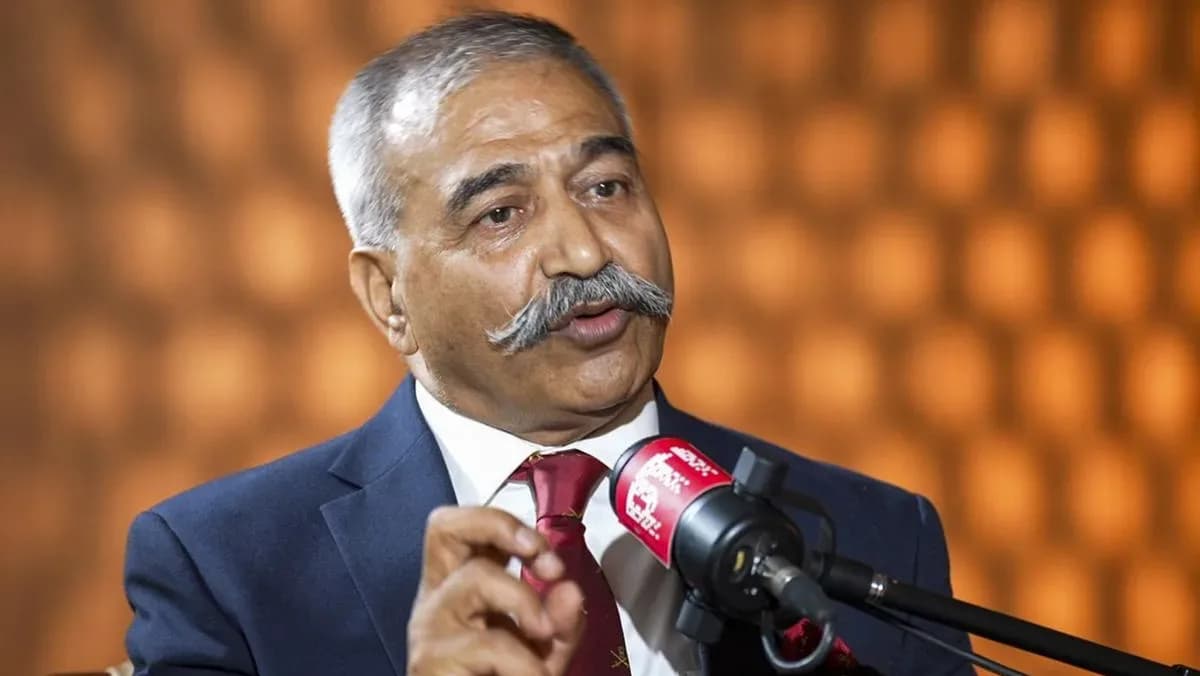
Speaking to The Economic Times on the sidelines of Salesforce’s Dreamforce event in San Francisco, Afshar said global technology centres have long competed for highly skilled professionals. The growing investment in artificial intelligence is now intensifying that competition, making India’s AI talent an increasingly important factor in the country’s technology ambitions.
India already has a large technology workforce and a substantial startup ecosystem. But as AI becomes a bigger part of global business, retaining people capable of developing and scaling advanced technology businesses could become as important as training new workers.

India’s AI talent faces growing global competition
The movement of Indian technology professionals to overseas markets is not new. What has changed, according to Afshar, is the way Indian software companies and startups are building their businesses.
In the past, Indian founders would often keep most of their teams in India while sending a founder or senior executive to the US to manage sales and business development. That model allowed companies to retain much of their workforce in India while establishing a presence in an important global market.
Afshar said an increasing number of founders are now choosing to establish themselves in the US much earlier and build teams closer to international customers and investors.
For India’s AI talent, this shift could have significant implications. As startups become increasingly global from their early stages, highly skilled engineers and researchers may have more opportunities to work directly from overseas technology centres.
The competition is particularly relevant in areas such as generative AI, AI agents, data infrastructure and automation, where companies are seeking professionals with specialised technical and research skills.
Also Read | Delhi High Court says POCSO cases cannot be settled by family
AI skills expansion creates a larger talent pool
India’s existing technology workforce provides a substantial foundation for expanding its AI capabilities. The country also has a growing startup ecosystem that could support the development of AI products and services for both domestic and international markets.
However, increasing the number of trained professionals is only one part of the challenge. For India to develop a deeper domestic AI ecosystem, AI talent will also need opportunities to work on ambitious products, build companies, and participate in research.
Salesforce has been expanding its own focus on AI skills in India. In June, the company said it aimed to equip one million learners in the country with AI skills by 2030 through partnerships involving universities, government bodies and industry.
Such programmes reflect the growing emphasis on developing AI capabilities beyond a relatively small group of highly specialised professionals.
Expanding AI skills could also increase the number of workers across sectors capable of adopting the technology. As businesses integrate AI into their operations, demand is expected to extend beyond traditional technology roles.
Also Read | Amazon joins India’s quick-commerce race with a $3 billion war chest
India emerges as an important AI adoption market
Alongside its technology workforce, India is also emerging as a significant market for AI adoption.
A Salesforce survey released in July found that Indian workers were 45 per cent more likely than the global average to say AI formed part of their core workflow. The finding points to the growing integration of artificial intelligence into everyday professional tasks in India.
The development of a strong domestic market could create additional opportunities for companies and professionals working in AI. Startups can build products for Indian users while also using the country as a base for global expansion.
For India’s AI talent, however, the broader question remains whether the country’s growing opportunities will be sufficient to compete with international technology hubs for highly experienced professionals.
The challenge is therefore twofold. India needs to continue developing new AI skills while creating an environment in which experienced engineers, researchers and founders have strong reasons to build their careers and companies domestically.
As global investment in artificial intelligence continues to expand, the ability to develop and retain specialised talent could become an increasingly important part of India’s technology story.