














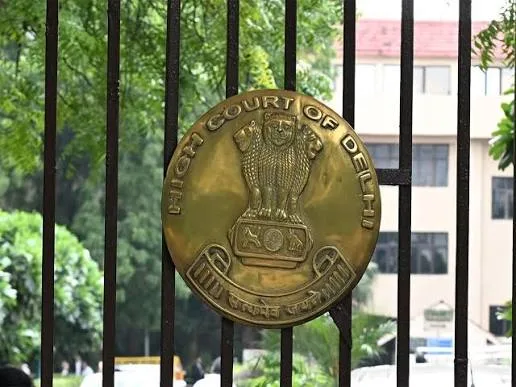
The Delhi High Court has made it clear that criminal proceedings involving sexual offences against children cannot be brought to an end simply because the survivor or her family has settled with the accused. Justice Sachin Datta passed the order while hearing a petition filed by a 49-year-old accused seeking to quash proceedings under the Protection of Children from Sexual Offences (POCSO) Act following a purported compromise with the minor survivor.
The Delhi High Court was informed that the trial had already reached the stage of recording prosecution evidence. The accused had approached the court after a settlement was reached with the minor survivor following intervention by her family.
Justice Datta dismissed the petition on September 22, observing that allowing the proceedings to be quashed based on such a compromise would undermine the purpose of the law and the interests of justice.
Delhi High Court explains why POCSO settlement cannot end case
The Delhi High Court said that a child victim or the victim’s family cannot privately compromise an offence registered under the POCSO Act. The court treated the nature of the alleged offence as central to its decision.
According to the order, the accused was facing allegations of aggravated penetrative sexual assault against a child while allegedly being in a position of trust or authority. The allegations relate to an incident in 2022.
The court referred to the legal position laid down by the Supreme Court concerning the High Court’s power to quash criminal proceedings. That power, the order noted, cannot ordinarily be used to terminate proceedings involving heinous and serious offences, including sexual offences.
The Delhi High Court observed that permitting a compromise in such circumstances would give private settlement an effect that the law does not recognise for such offences.
The court also emphasised the wider implications of offences involving sexual violence against children. Unlike disputes that primarily concern private rights, criminal offences under the POCSO framework are treated as matters carrying consequences beyond the individuals directly involved.
Also Read | Amazon joins India’s quick-commerce race with a $3 billion war chest
Accused sought quashing during prosecution evidence
The petition before the Delhi High Court was filed by the accused while the trial was already underway. The prosecution had reached the stage of recording evidence when the accused sought to have the criminal proceedings quashed based on the settlement.
The court rejected that request, holding that the stage of the proceedings was another relevant consideration. Quashing the case after the prosecution had begun presenting its evidence, merely because the parties had subsequently reached an agreement, would not be consistent with the purpose of the statute, the court said.
The case involves allegations under provisions including Section 6 of the POCSO Act. The order also referred to Sections 376 and 506 of the Indian Penal Code in describing the offences alleged in the case.
The Delhi High Court’s ruling does not amount to a determination of guilt in the underlying criminal trial. The allegations against the accused remain matters for adjudication through the trial process.
The decision instead addresses whether a settlement between the accused and the child survivor or her family can provide a basis for ending the criminal proceedings.
Also Read | India Space Force: Why India may need a separate space command?
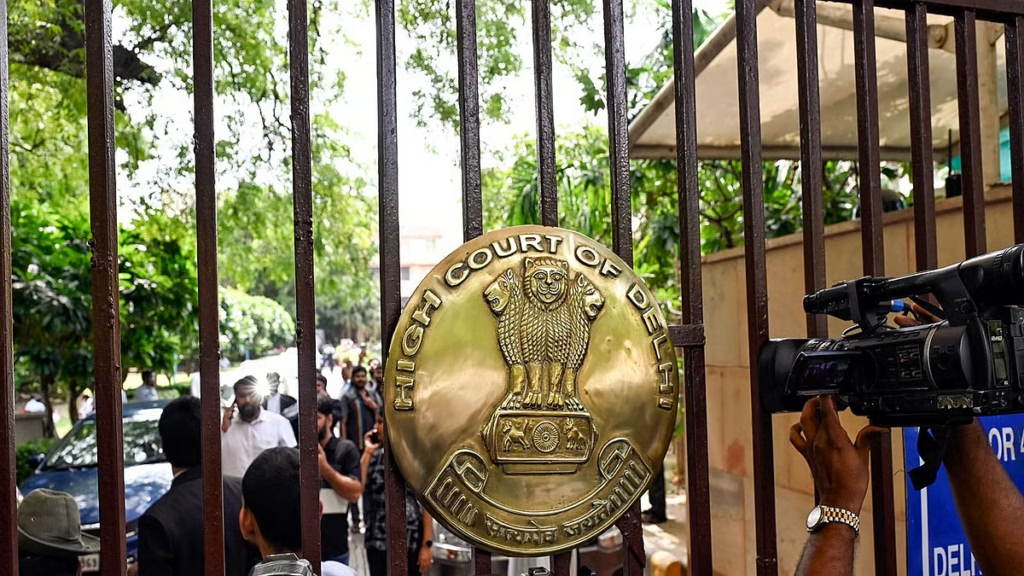
Court stresses wider impact of child sexual offences
In its order, the Delhi High Court underlined that sexual offences against children are treated differently from disputes that can ordinarily be resolved through compromise between private parties.
Justice Datta noted that the Supreme Court’s jurisprudence limits the circumstances in which High Courts can exercise their inherent powers to quash criminal proceedings based on settlements.
The court stated that a settlement between a victim and an offender in cases involving heinous sexual offences has no legal sanction. It also pointed to the alleged position of trust or authority involved in the case while describing the accusations as serious.
The ruling reinforces the distinction between criminal proceedings that can legally be compounded or quashed in appropriate circumstances and offences where the law attaches wider societal consequences.
For cases under the POCSO Act, the ruling means that an agreement reached between a survivor’s family and an accused cannot, by itself, provide a legal route to terminate prosecution for serious sexual offences against a child.
The Delhi High Court therefore declined to interfere with the ongoing trial and dismissed the petition seeking quashing of the proceedings. The case will continue through the criminal justice process, where the evidence and allegations will be examined in accordance with law.