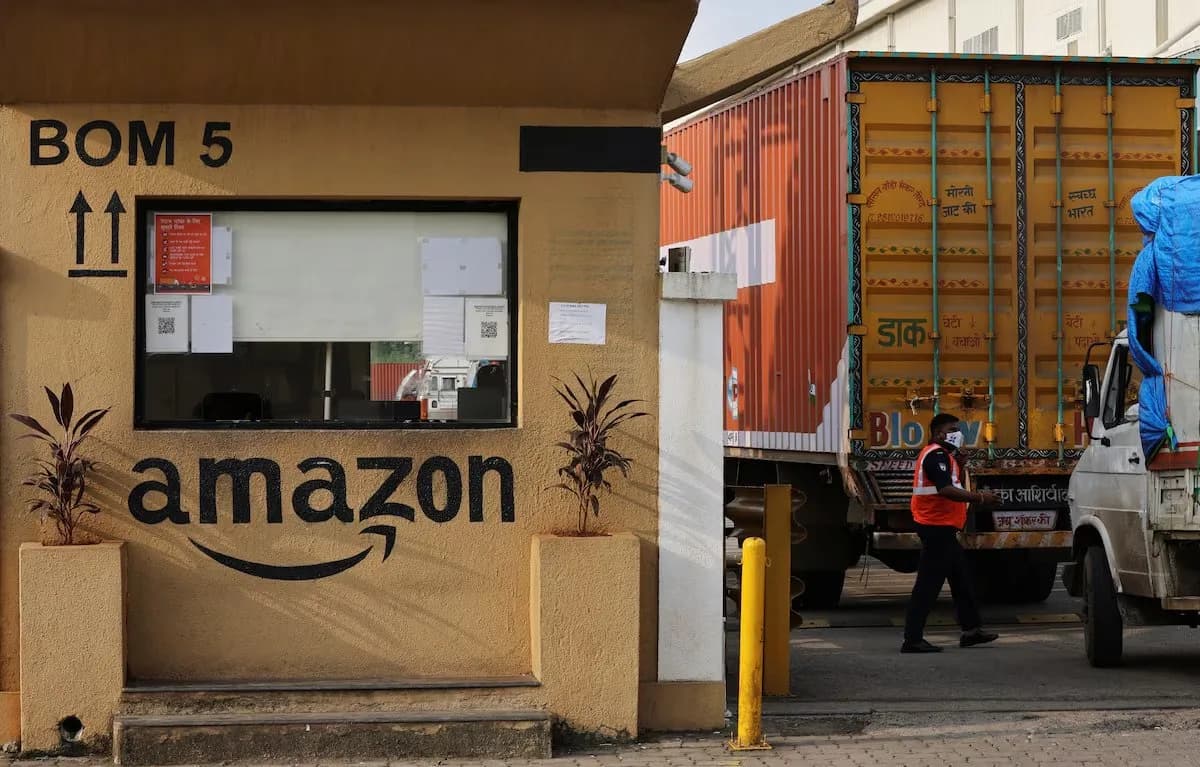











Amazon plans to invest $3 billion in India’s quick-commerce business by 2030, Reuters reported on Thursday, citing two people with direct knowledge of the plans.
The proposed spending would be Amazon’s biggest investment yet in India’s fast-delivery segment, where Blinkit, Swiggy and Zepto have built a substantial lead.
Amazon declined to comment on the planned investment figures. It did say its quick-commerce business had crossed $1 billion in annualised gross sales over the past three months.
Also Read | ECI dissent report sparks Opposition attack as poll panel rejects formal dissent claim
Amazon Now prepares to spread its wings
The plan is split into two stages. Amazon intends to invest $1 billion by the end of 2027 and a further $2 billion by 2030. Much of the money is expected to go into expanding the Amazon Now network.
The plan would require adding more small neighbourhood warehouses from which orders can be picked and dispatched quickly. One source said Amazon is targeting about 1,300 stores by April 2027, up from roughly 750 now.
“Expansion needs money,” the source said. The company is also looking at stronger inventory-management software, AI tools to forecast demand and a wider product range.
A crowded race
The bigger issue is the race to catch a market that has changed how many urban Indians shop. Quick commerce has grown rapidly since 2022, with customers using apps for everyday needs such as milk and chocolates, as well as some electronics.
Data Intelligence put the Indian quick-commerce market at $19 billion and said it could more than double to $41 billion by 2030.
Blinkit, Swiggy and Zepto together control 77% of the market and operate more than 4,500 stores, while Flipkart has more than 1,000 stores and an 11% share.
Amazon’s share is 6.2%, according to the same data. The gap helps explain why Amazon is now putting more money behind Amazon Now.
Not every shiny gadget gets a shelf
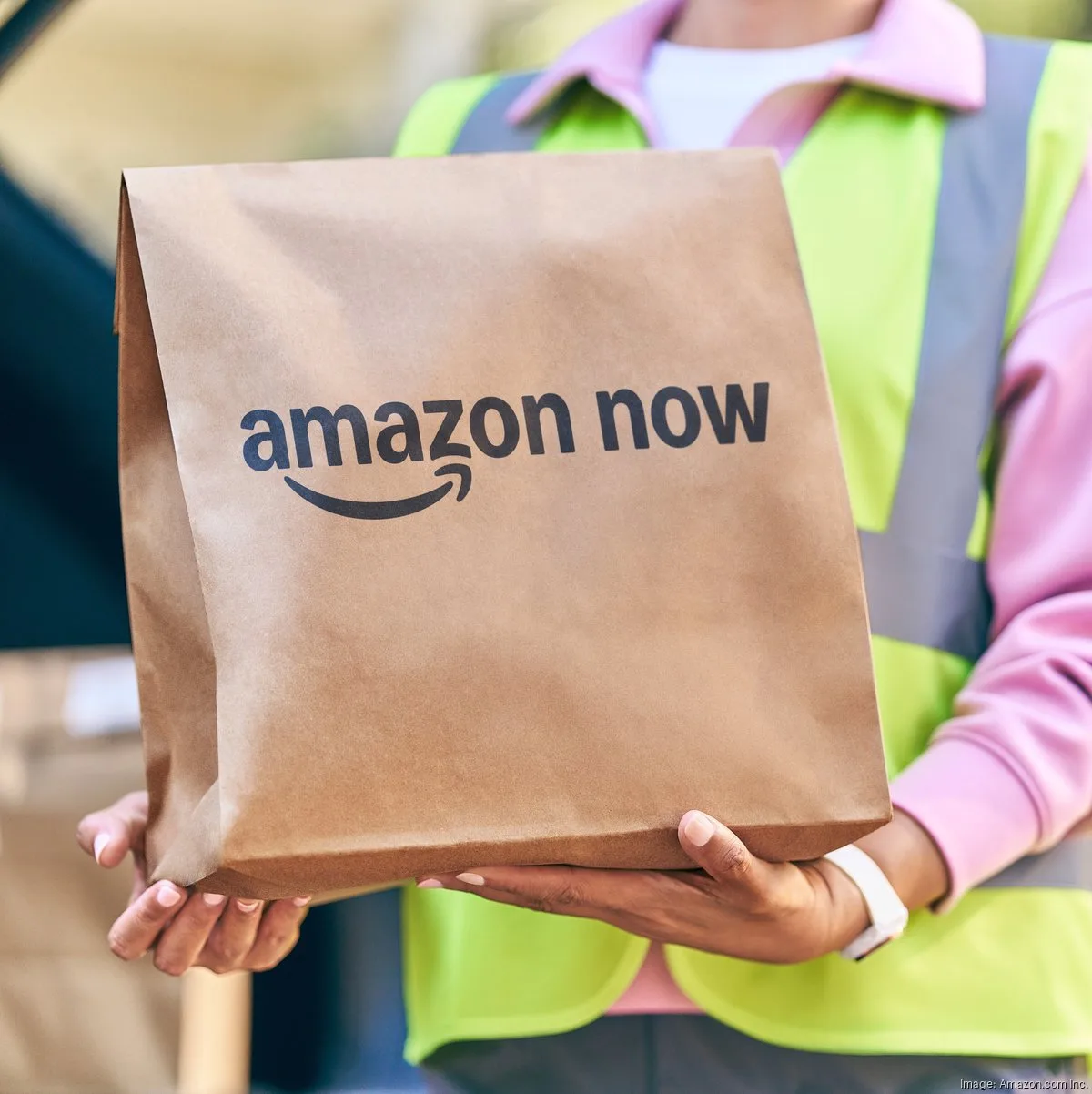
Amazon is taking a narrower approach to what it keeps in stock. One source said, “The focus will be daily essentials. If the order is unlikely to be repeated, Amazon does not plan to stock it right now in quick commerce.”
That helps explain why Amazon Now it does not currently stock iPhones in the same way some rivals do.
The economics of the sector remain a challenge. Bernstein said in a July note that groceries alone may not cover the high costs of quick commerce because average order values are low, while non-grocery products tend to have higher prices and margins.
Satish Meena, founder of Datum Intelligence, said established rivals already have quality service and loyal customers, although Amazon could use its large existing shopping customer base to encourage more people to try faster delivery.
Hardly a leisurely stroll
The expansion also comes as the quick-commerce model faces regulatory and safety scrutiny. In January, the Indian government asked companies to stop promoting deliveries as “10-minute” services amid concerns around rider safety.
The government’s intervention led major platforms to drop the explicit 10-minute delivery branding while the underlying quick-commerce services continued.
Amazon also faces India’s foreign e-commerce regulations and a pending 2024 antitrust case related to allegations that it gave preference to select sellers.
Amazon denies those allegations. For now, the company is betting that more stores, better inventory systems and a tighter focus on repeat purchases can help it gain ground in a market where speed has quickly become part of everyday shopping.
Also Read | India Space Force: Why India may need a separate space command?