
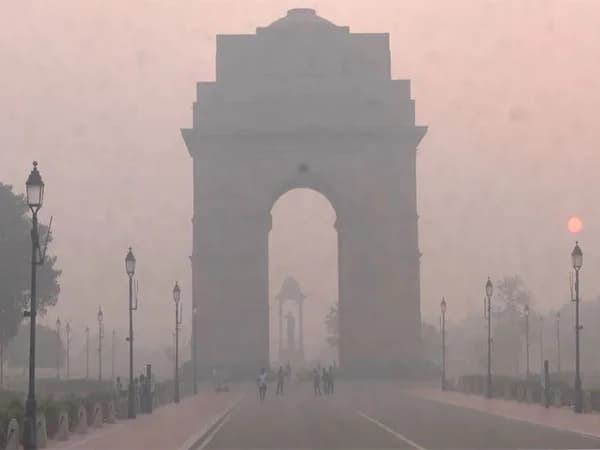
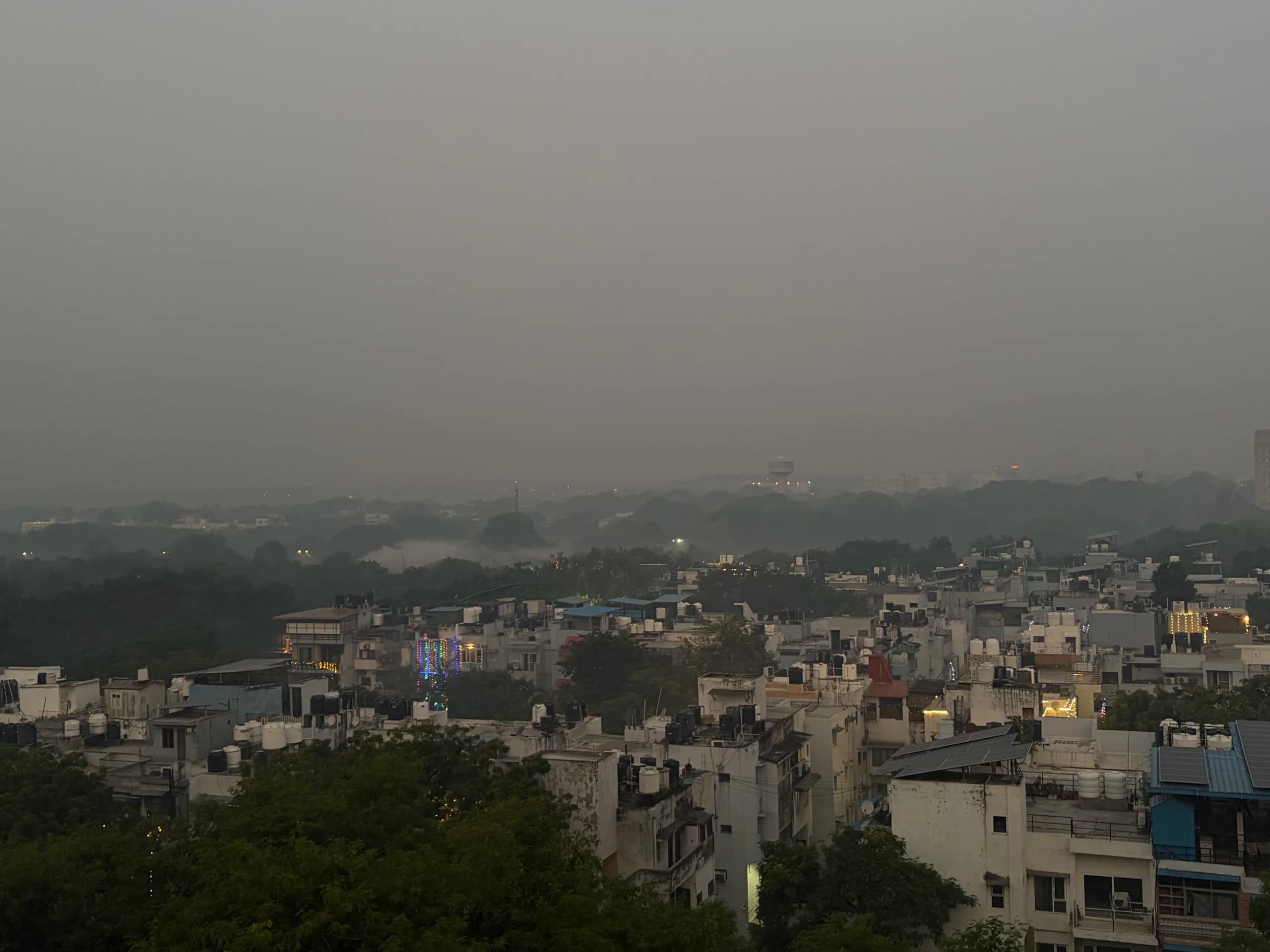










Delhi’s missing pollution readings from Diwali night have revealed an extreme spike in fine particulate matter, with PM2.5 concentrations reaching 3,744 micrograms per cubic metre (µg/m³) at one monitoring station. The Delhi Pollution Control Committee (DPCC) released the hourly figures around 8pm on Monday, November 9, after several readings had been missing from the Central Pollution Control Board’s (CPCB) records.
The highest concentration was recorded at Mundka at 2am on November 9, exceeding 60 times the national 24-hour PM2.5 standard of 60 µg/m³. The newly released Delhi Diwali PM2.5 data has also raised questions about the accuracy of the official air quality assessment, as the published AQI did not fully reflect the severity indicated by the missing hourly readings.
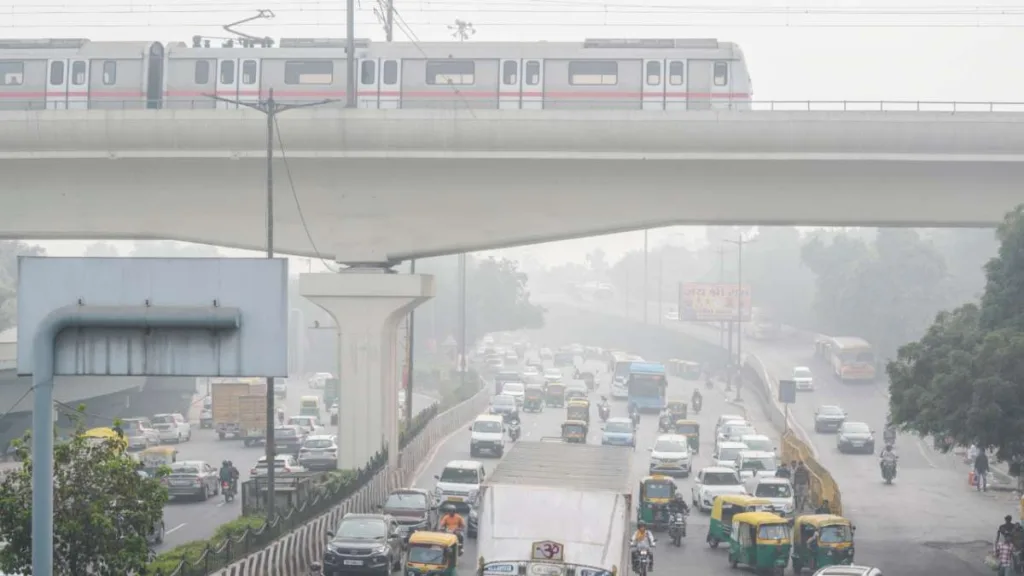
Delhi Diwali PM2.5 data records extreme pollution at 11 stations
The DPCC readings show that several monitoring stations recorded PM2.5 concentrations above 2,000 µg/m³ during the early hours of November 9. Mundka registered the highest reading at 3,744 µg/m³ at 2am, followed by JNU at 3,023 µg/m³ at 4am and NSUT’s West Campus at 3,008 µg/m³ at 5am.
Other high readings included 2,908 µg/m³ at Mandir Marg at 3am, 2,808 µg/m³ at Nehru Nagar at 3am and 2,721 µg/m³ at Wazirpur at 1am. In total, 11 DPCC monitoring stations recorded concentrations exceeding 2,000 µg/m³.
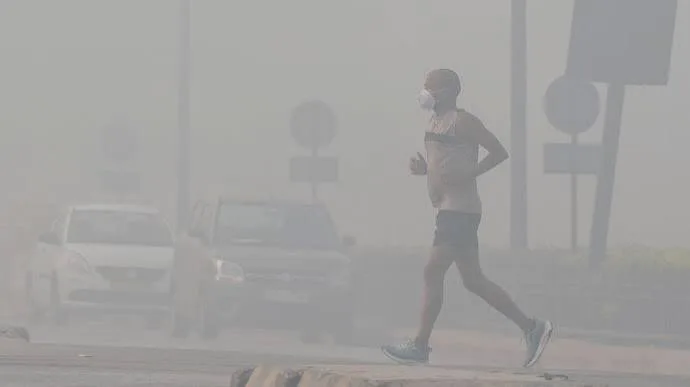
The figures highlight the intensity of the pollution episode after Diwali celebrations. PM2.5 consists of fine particles that can penetrate deep into the respiratory system. Firecracker emissions can add substantially to the particulate matter already present in the atmosphere.
Also Read | Delhi records decade-high Diwali Eve pollution as AQI threatens to enter severe zone
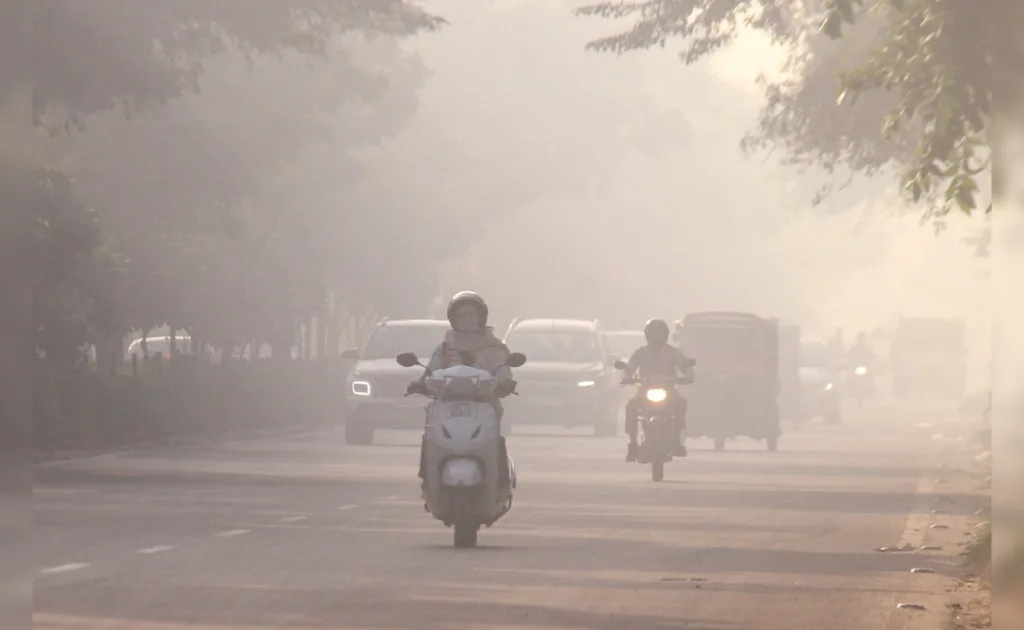
Missing CPCB readings raise questions over Delhi’s official AQI
The latest Delhi Diwali PM2.5 data follows an earlier report by Hindustan Times that several monitoring stations had stopped displaying hourly PM2.5 readings as pollution worsened on November 8. At 1am on November 9, 36 of Delhi’s 59 monitoring stations had no PM2.5 reading in CPCB’s records.
The newly released DPCC figures show that all 125 station-hour readings missing from CPCB’s records were above 1,000 µg/m³. Where both agencies had recorded readings, the figures matched. However, the highest PM2.5 concentration appearing in CPCB’s records for the night was 1,000 µg/m³.
Hindustan Times estimated that including the released readings would put Delhi’s AQI for the 24 hours up to 9am on November 9 at around 384, compared with the CPCB’s published figure of 370. For its 4pm bulletin, the recalculated estimate was approximately 360, against the reported 344.
The difference indicates that missing data affected the assessment, although the impact on the AQI was limited by the index’s calculation method. The AQI hourly sub-index reaches its maximum of 500 once PM2.5 concentrations cross approximately 420 µg/m³. Consequently, readings running into thousands do not increase the hourly index proportionately.
Also Read | Delhi pollution alert: 5 key changes as schools shift primary classes to hybrid learning
DPCC cites technical glitches as questions remain over data
A government official, speaking on condition of anonymity, told Hindustan Times that the air quality monitors were providing hourly data and attributed the disruption to technical glitches. The official also said that all 43 stations operated by the department were providing data.
However, the released Delhi Diwali PM2.5 data had not appeared in CPCB’s records as of 7.58pm on Monday, according to the newspaper. The figures were also described as provisional.
The discrepancy between the initially missing readings and the later release has renewed attention on the reliability and transparency of pollution monitoring during severe air quality episodes. Accurate hourly data is important for assessing pollution exposure, tracking sudden spikes and evaluating the effectiveness of emergency measures.
The latest figures provide a clearer picture of how severe Delhi’s air pollution became during the early hours after Diwali. They also underline the need for timely publication of monitoring data, particularly when residents and authorities rely on official AQI readings to understand the risks posed by deteriorating air quality.