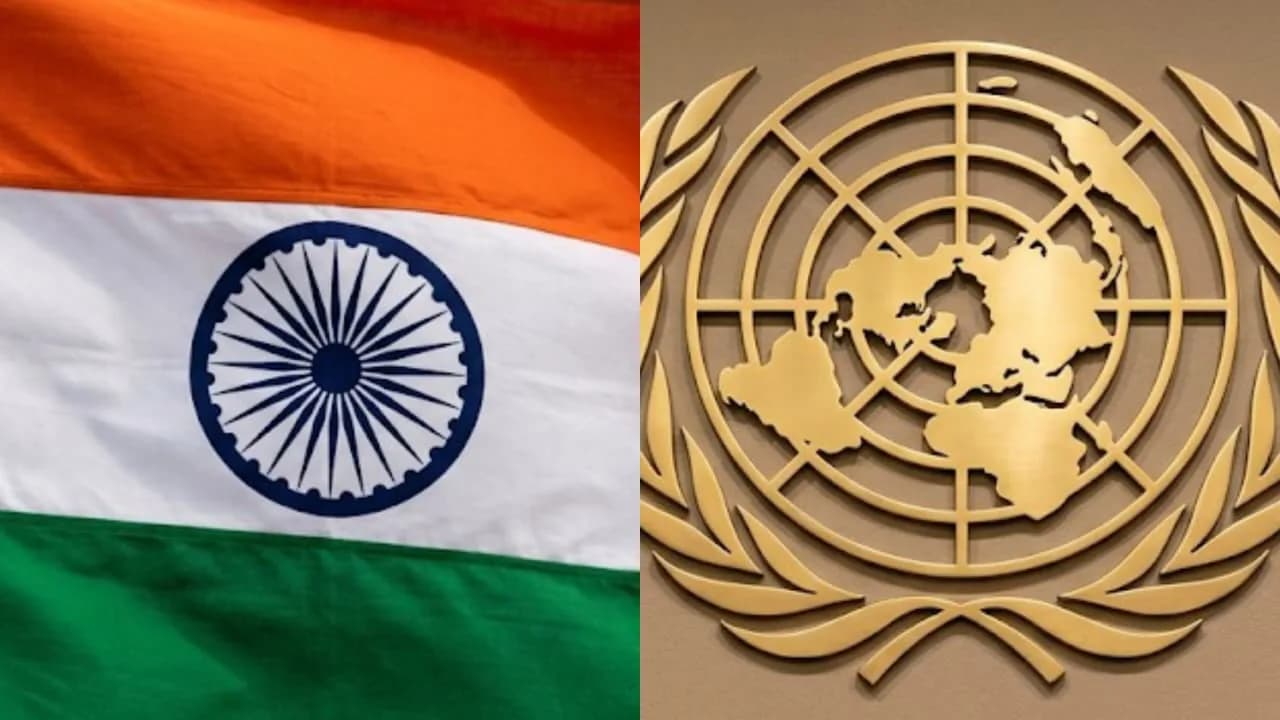
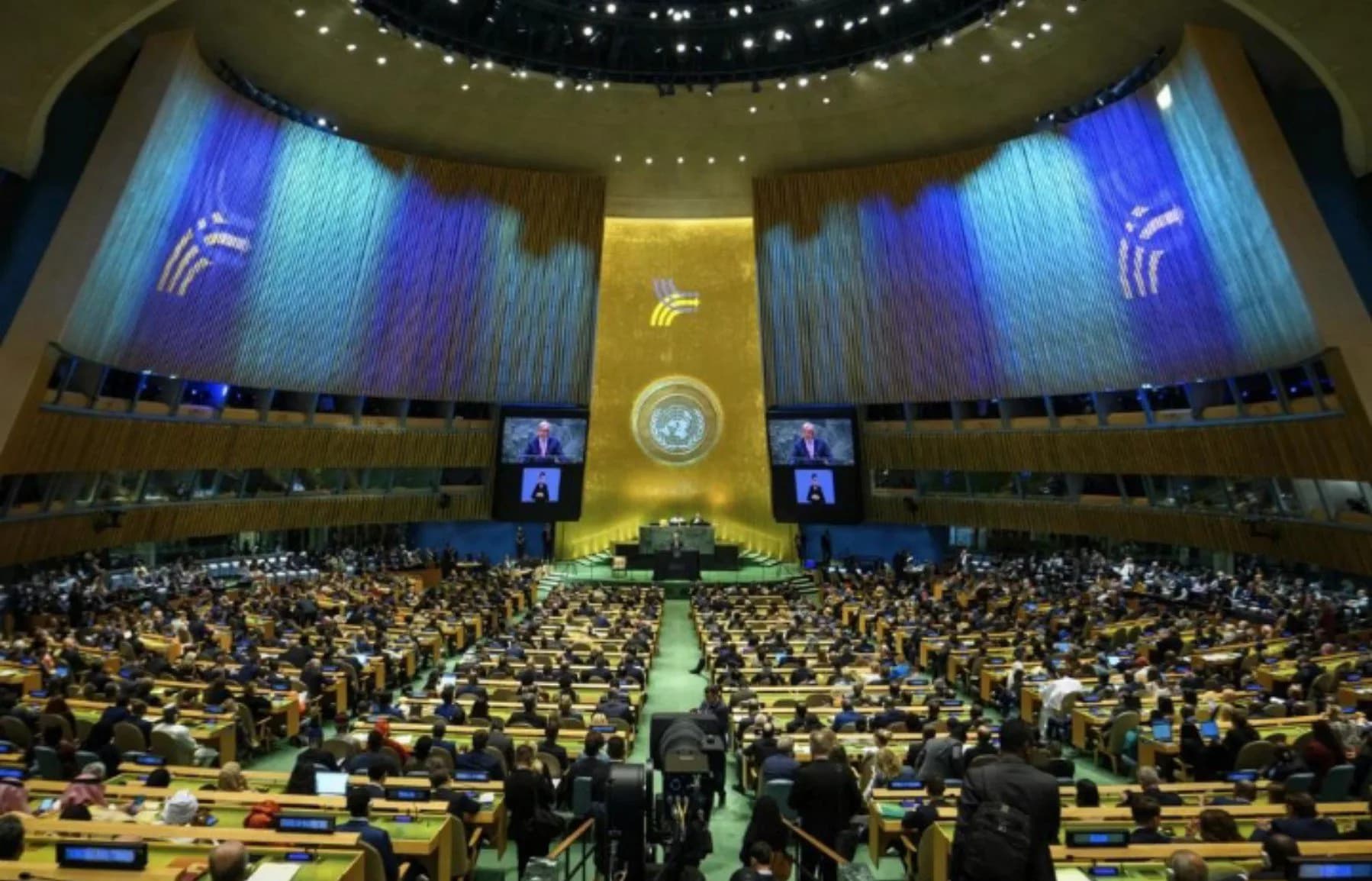





The United Nations Security Council was created in 1945 after World War II, but its five permanent seats have remained unchanged for more than eight decades. China, France, Russia, the United Kingdom and the United States hold those seats and have veto powers.
India, which has repeatedly called for reform of the Council, wants a permanent place at the table. New Delhi argues that the body should reflect today’s global balance, particularly the role of Asia, Africa, and Latin America. The Security Council currently has 15 members, including 10 countries elected for two-year terms.
Why India wants a permanent seat at the UNSC
India’s argument begins with a simple question: can a Council created in the aftermath of World War II fully represent the world of today? New Delhi has called for expansion in both permanent and non-permanent categories, saying that merely adding elected seats would not change the permanent members’ special position in decision-making. The Council was expanded only once, in 1965, when four non-permanent seats were added. The five permanent seats remained untouched.
India says developing countries and under-represented regions need a stronger voice in decisions on international peace and security. It points to its large population, democratic system, growing economic and geopolitical role and long contribution to UN peacekeeping as part of its case. India has also maintained that Security Council reform should make the institution more representative and effective.
The demand is not new. India formally put forward its candidature for permanent membership in 1994 and has continued to raise the issue at successive UN General Assembly sessions. At the Millennium Summit in 2000, then Prime Minister Atal Bihari Vajpayee again said India considered itself qualified for the responsibilities of permanent membership.
Also Read | Wars, Trump and Guterres’ exit set the tone for UN General Assembly 2026
India’s history at the UNSC
India has already spent several terms inside the Security Council, although always as a non-permanent member. Its first term was in 1950-51. It subsequently served in 1967-68, 1972-73, 1977-78, 1984-85, 1991-92, 2011-12 and most recently in 2021-22.
During these terms, India has taken part in discussions and decisions on conflicts, peacekeeping, sanctions and international security. India’s latest campaign is for another non-permanent term in 2028-29, even as it continues its longer-term push for permanent membership.
The question of reform has also gained wider international attention. India has received support from several countries for a greater role in the UN, while different groups continue to disagree over how the Council should be expanded. The debate therefore remains open, with India seeking a permanent role in a body whose basic structure has changed little since 1945.
Also Read | California puts billionaire wealth tax on ballot with up to 5% under Proposition 40
FAQs
Q: Why does India want a permanent seat on the UNSC?
India argues that the Security Council should better reflect the contemporary global balance and give greater representation to developing countries and under-represented regions.
Q: Who are the five permanent members of the UNSC?
China, France, Russia, the United Kingdom and the United States are the five permanent members. They have veto power over substantive Security Council decisions.