







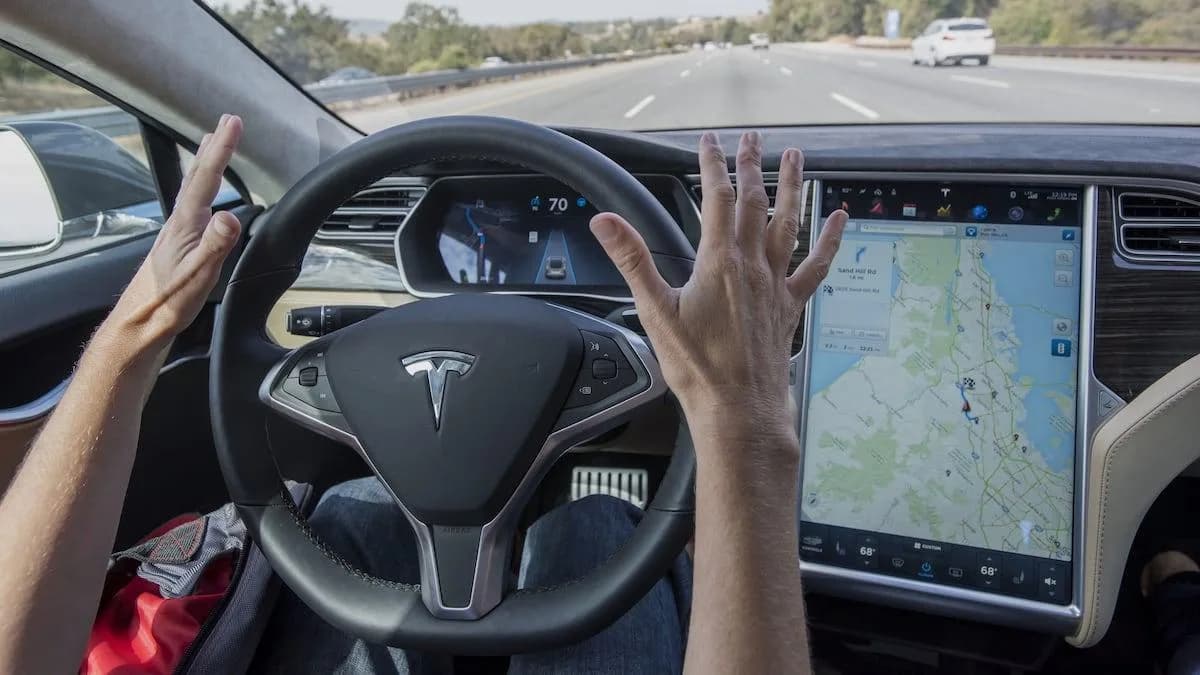
Tesla has dropped the “Full Self-Driving” name from its European websites, replacing it with “Tesla Assisted Driving” as it seeks broader approval for its driver-assistance technology.
The move comes amid growing scrutiny of the company’s safety claims and its efforts to persuade European regulators to approve the system across the European Union (EU).
However, the rebranding does not mean the software has become fully autonomous. Drivers must still remain alert and be ready to take control.
What @Tesla offers with Full Self-Driving won’t be matched by another automaker for a very, very long time, if ever. It’s not about being JUST an EV anymore, it’s about having a car that can take you from point A to point B in the safest, most comfortable manner. While automakers are still trying to figure out how to build great EVs, Tesla is already on the next chapter.
— Nic Cruz Patane (@niccruzpatane) October 10, 2026
Also Read | What is the International Criminal Court?
What is Tesla’s Full Self-Driving system?
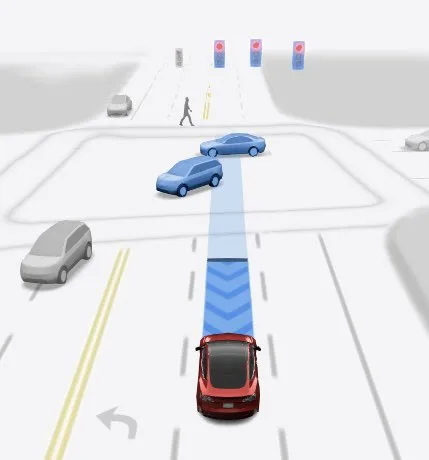
Tesla’s Full Self-Driving (FSD) is a driver-assistance system designed to handle several driving tasks, including steering, acceleration, braking, and navigation.
Despite its name, it does not allow drivers to stop paying attention to the road. They must monitor the vehicle and intervene when necessary.
This distinction lies at the center of the European regulatory debate. Several authorities have raised concerns that the original name could give buyers the impression that the vehicle can drive without human supervision.
Regulators in Sweden and Italy have also questioned whether Tesla’s marketing could mislead customers about the system’s capabilities.
The Dutch vehicle regulator made its position clear when it approved a version of the technology in April. “A vehicle with FSD Supervised is not self-driving,” it said.
Tesla has now begun using the new name on its European websites, including those for Germany, Spain, and the Netherlands.
Its US website continues to use “Full Self-Driving (Supervised).” The change addresses the concerns surrounding the branding, but it does not settle the separate question of whether the technology meets the EU’s safety requirements.
Un sujeto llamado Ben Farmer iba en su Tesla Model 3 por una carretera cuando otro auto se le cruzó y lo embistió de costado. El FSD (Full Self-Driving, conducción autónoma total) estaba activo, pero él pisó el acelerador y el sistema le cedió la velocidad. El freno de emergencia puede seguir actuando, pero con el acelerador pisado y el otro auto cruzándose de lado el margen es mínimo 😮😮.. https://t.co/tAXniYBe4v
— Anxious Vids🔥 (@Anxiousvids) October 6, 2026
Researchers question the evidence behind FSD
A Reuters investigation published on October 7 examined Tesla’s efforts to secure European approval. It found that the company had pressed regulators to reduce the intensity of certain safety reviews, submitted research claiming safety benefits, and encouraged supporters to lobby for faster approvals.
The investigation also examined the evidence behind Tesla’s claims that FSD could reduce crashes.
Seven traffic-safety researchers who reviewed the company’s European research questioned its methodology. They said the number of miles driven using FSD was too small to support a meaningful comparison with the much larger volume of manually driven miles.
Instead of relying on actual crash rates, Tesla’s study tracked driving behaviors such as horn use, indicator use, hard braking, rapid acceleration, and hard cornering.
Researchers said some of these indicators have limitations and do not necessarily establish whether a system prevents crashes.
They concluded that the study did not prove Tesla’s central claim that FSD prevents fatal crashes. The researchers also questioned the use of professional engineering drivers, who may be more familiar with the software and better equipped to intervene when necessary.
The Dutch vehicle regulator, RDW, defended its process. It said it assesses driver-assistance systems “objectively and independently” and that engagement with manufacturers does not compromise the thoroughness of its reviews.
Also Read | Navi Pillay wins 2026 Nobel Peace Prize for championing international law
What happens next?
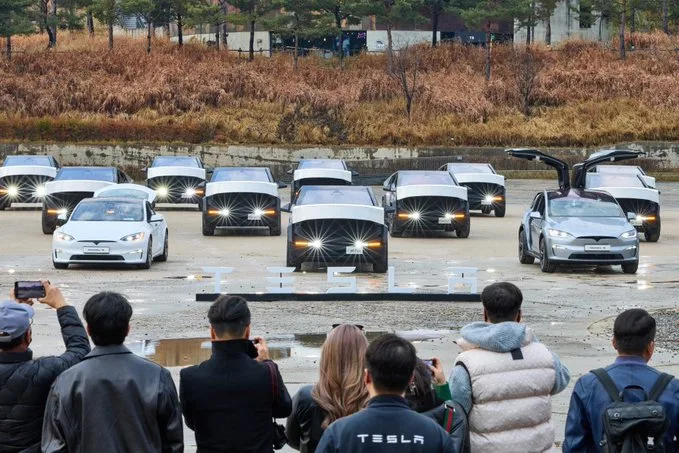
The Netherlands approved a version of Tesla’s system in April and subsequently supported wider European adoption. Eight EU countries now allow the technology, while Slovakia is expected to become the ninth.
However, national approvals do not amount to permission for an EU-wide rollout.
A wider vote, initially expected in October, has been pushed back until at least December. France is among the countries conducting additional assessments.
For EU-wide approval, Tesla needs support from regulators representing at least 55% of member states and 65% of the bloc’s population.
The outcome matters to Tesla as it seeks to expand its software business and strengthen its position in an increasingly competitive electric-vehicle market.
Regulators face a different responsibility. Determining whether the technology meets safety requirements and whether the evidence justifies wider use.
Tesla’s new branding may help address concerns over how the product is presented to consumers.
The larger test remains whether regulators can establish that its capabilities and safety benefits are supported by reliable evidence.