






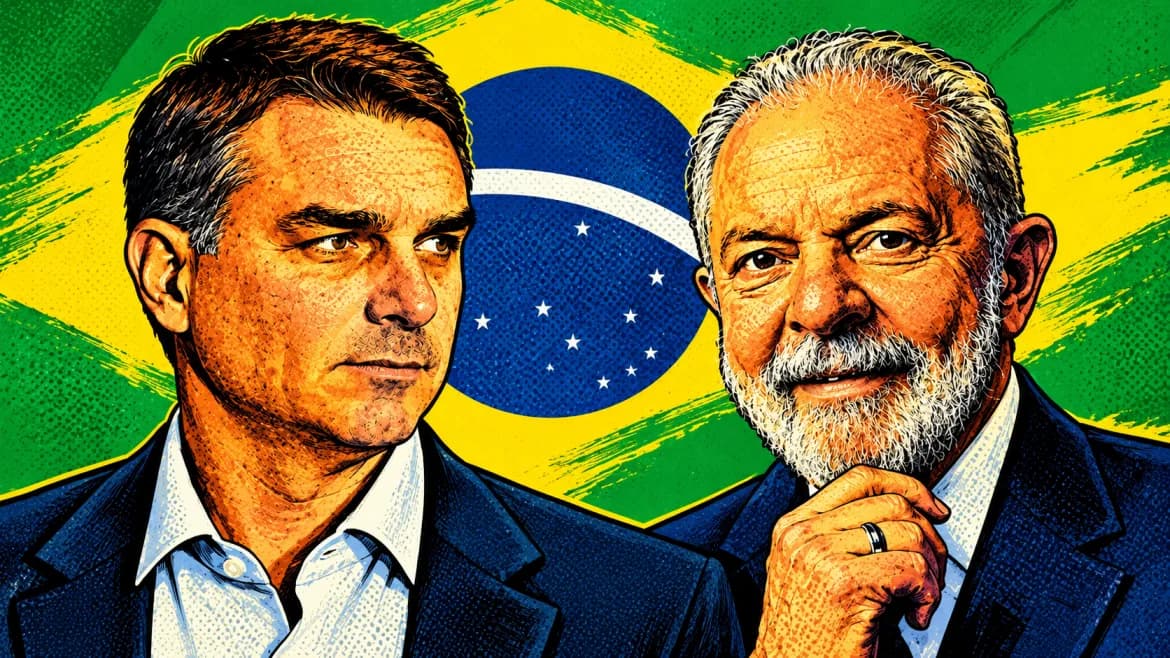

Brazilian President Luiz Inácio Lula da Silva has won a historic fourth presidential term, but the victory has left him facing a difficult political and economic landscape.
The 80-year-old left-wing leader defeated right-wing Senator Flávio Bolsonaro in the October 25, 2026, presidential runoff. However, a narrow electoral margin, mounting public debt and a Congress dominated by conservative forces could limit his ability to deliver on key promises.
Investors are also questioning whether his government can maintain social welfare programmes while bringing public finances under control.
Lula is due to begin his new term in January 2027. According to Brazil’s Superior Electoral Court, he received 51.79% of valid votes, against 48.21% for Bolsonaro.
O presidente do @TSEjusbr, ministro Kassio Nunes Marques, anunciou o resultado oficial das Eleições 2026. Luiz Inácio Lula da Silva, do PT, foi reeleito presidente do Brasil com 51,79% dos votos válidos, enquanto Flávio Bolsonaro, do PL, recebeu 48,21%. A reportagem apresenta os principais números do segundo turno, o resultado da disputa presidencial e a eleição de governadores em cinco estados e no Distrito Federal. O balanço também destaca a participação dos eleitores, o funcionamento das urnas eletrônicas e as medidas de inclusão adotadas pela Justiça Eleitoral.
— TSE (@TSEjusbr) October 26, 2026
Also Read | PHP’s security crisis raises questions over funding and AI-driven threats
The arithmetic in Brasília
The biggest challenge may come from Congress. Lula’s Workers’ Party and its allies do not control the legislature, while Bolsonaro’s Liberal Party and its conservative partners are set to hold majorities in both chambers.
This could make it harder for the president to pass legislation, negotiate tax changes and secure support for his economic agenda.
Lula has pledged to protect social programmes and ensure that minimum wages rise faster than inflation. These commitments are central to his political appeal. But they also come at a time when the government faces pressure to reduce borrowing and control spending.
Analysts warned that Lula would struggle to build the political coalitions needed to push through major reforms. His ability to work with lawmakers who oppose much of his agenda will therefore be crucial to the success of his final term.
Debt leaves little room to manoeuvre
Brazil’s public debt has climbed above 82% of gross domestic product (GDP), an increase of more than 10 percentage points during Lula’s current term.
GDP measures the total value of goods and services produced by an economy. Higher debt increases the government’s interest burden and leaves less room for other spending.
Brazil’s interest rate stands at 13.75%, while annual inflation is 4.6%, marginally above the central bank’s tolerance range.
The government has also forecast economic growth of 2.3% in 2027. Lula must now find a balance between reducing the deficit, supporting growth and protecting welfare benefits.
A further concern is household debt. According to credit bureau Serasa, nearly 84 million Brazilians and 9.3 million businesses are behind on debt payments.
Lula’s proposed debt-relief measures could offer some breathing room, but such initiatives may provide only temporary relief.
A cool reception from the trading floor
The election result has also unsettled financial markets. Before the runoff, investors had positioned themselves for a possible Bolsonaro victory, anticipating spending restraint, deregulation and closer ties with US President Donald Trump’s administration.
Brazilian stocks had risen almost 7% from their level before the first round of voting, while the real had strengthened nearly 5% against the US dollar.
Lula’s victory has prompted investors to reconsider those expectations. Markets now want a credible fiscal plan that explains how the government will stabilise debt without abandoning its social commitments.
Reuters reported that analysts expect market sentiment to remain weak until Lula’s team provides greater clarity on spending and public finances. The appointment of the next finance minister and the details of the 2027 budget are likely to be closely watched.
The government’s longer-term target is to achieve a primary budget surplus of around 1.3% of GDP by 2030.
A primary surplus means government revenue exceeds expenditure before interest payments on debt are counted.
JUST IN: 🇧🇷 Flávio Bolsonaro officially rejects results of presidential election against Lula da Silva. "It is impossible to recognize the election results… we will use our legal team, we will request the annulment of these elections." https://t.co/auRRgmI2ul
— BRICS News (@BRICSinfo) October 26, 2026
Flávio Bolsonaro’s challenge to the result
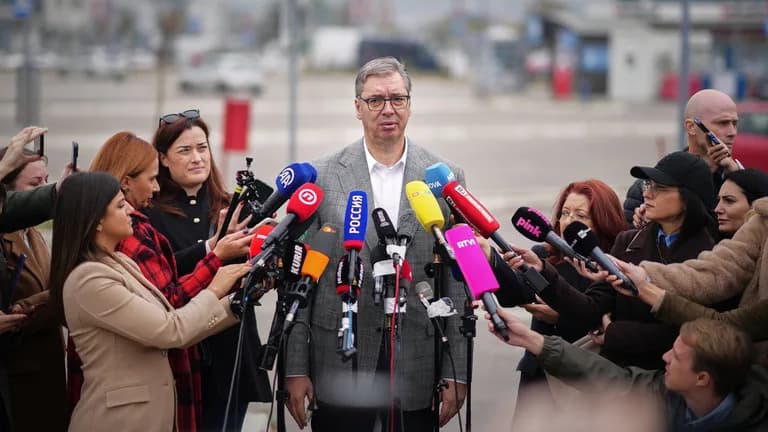
Political uncertainty has added another layer to the transition. Flávio Bolsonaro has refused to concede defeat and said he would seek to annul the result, citing a decision to extend voting by two hours over alleged public transport irregularities.
“It is impossible to recognize the election results, given the circumstances under which things unfolded,” he told journalists.
An analysis by Insper professor Pedro Burgos found that fewer than 35,000 votes were cast during the extended period, amounting to about 0.03% of the total.
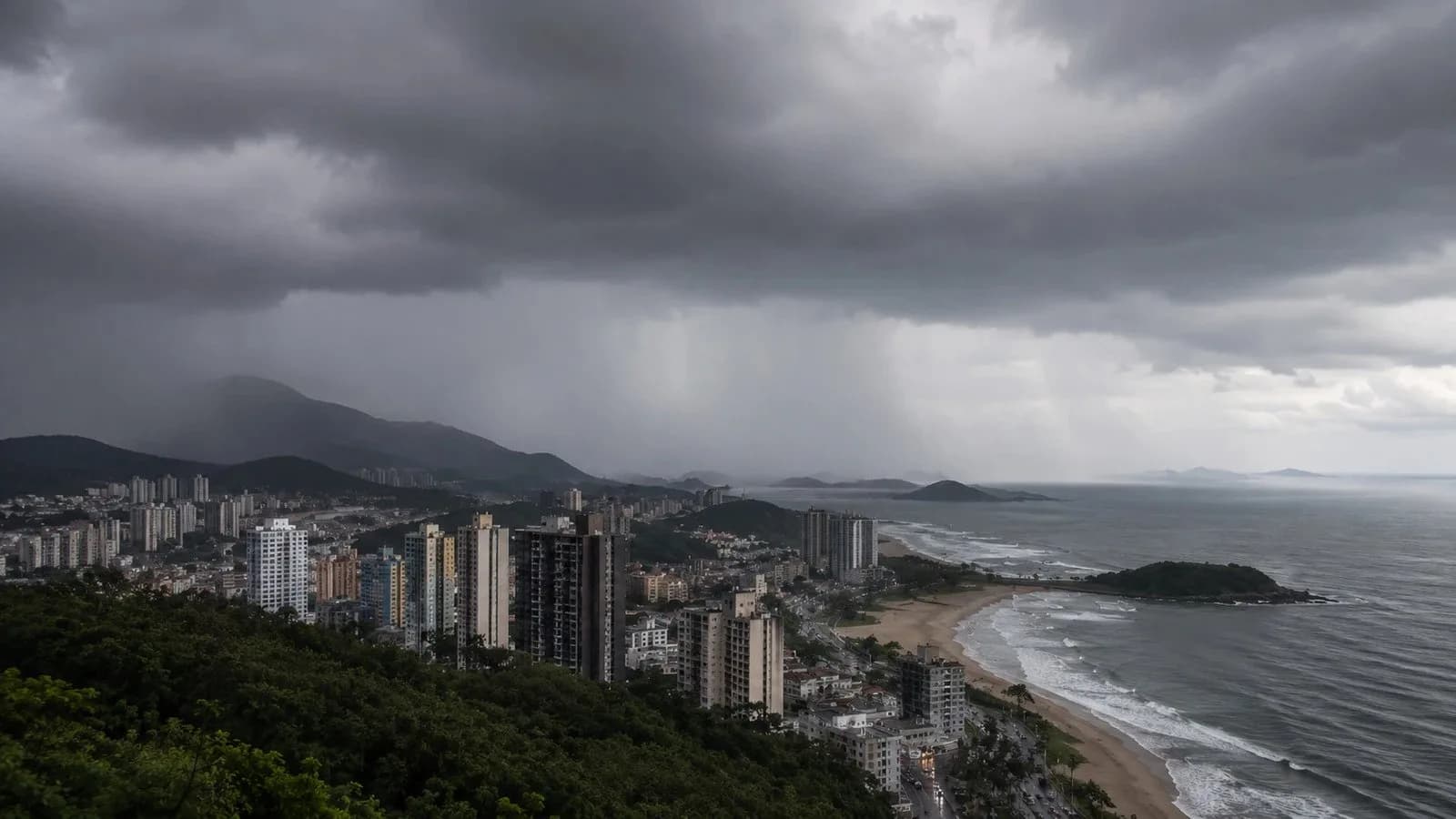
Bolsonaro’s campaign had also sought an extension because of heavy rain in the country’s conservative-leaning south.
The margin of more than four million votes made a successful challenge unlikely.
Also Read | Brazil election: 33.4 million first-round abstainers could shape Lula-Bolsonaro runoff
Lula’s priorities for his final term
Lula’s immediate task is to establish a workable relationship with Congress and reassure markets that his government has a credible plan for managing public debt.
His victory gives him another mandate, but translating it into policy will require political negotiation and difficult economic choices.
The direction of his final term will depend on whether he can reconcile his social commitments with the pressure to restore confidence in Brazil’s finances.