












The Election Commission has defended its decision-making process over the Special Intensive Revision (SIR) of electoral rolls, telling the Supreme Court that three key orders issued in 2025 and 2026 were adopted unanimously. In an affidavit filed on October 26, the poll body argued that petitions challenging the process relied on newspaper reports and should be dismissed.
The response comes amid allegations that Election Commissioners Sukhbir Singh Sandhu and Vivek Joshi had objected to certain decisions concerning the revision exercise and were not fully involved in the process. The Commission has rejected the suggestion that differences or queries raised during internal discussions amount to dissent over its final decisions.
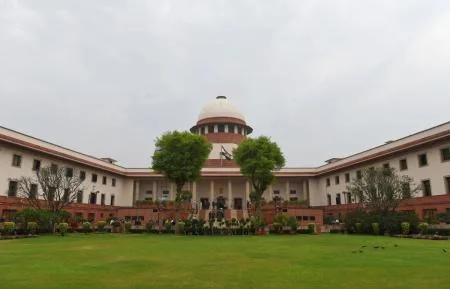
The Supreme Court is scheduled to hear a batch of petitions on the controversy, including pleas filed by Congress leader Rahul Gandhi, opposition leaders Digvijaya Singh and Asaduddin Owaisi, among others.
Election Commission’s SIR decisions were unanimous, affidavit says
In its affidavit, the Commission said the three orders concerning the Election Commission’s SIR process, issued in June 2025, October 2025 and May 2026, were adopted unanimously.
The poll body explained that files move through a sequence of review involving the two Election Commissioners and the Chief Election Commissioner. Suggestions, observations and queries raised by officials during this process are considered before a final decision is approved, it said.
According to the affidavit, comments or questions raised while a file is under consideration should not be treated as the Commission’s final position. The Commission added that approved decisions are recorded in the relevant files, carry the signatures of the Commissioners and are subsequently notified and implemented by its secretariat.
It also referred to Section 18 of the Chief Election Commissioner and Other Election Commissioners Act, 2023, arguing that individual observations made during internal deliberations do not, by themselves, constitute a decision of the Commission.
The affidavit maintains that the petitions should not be entertained on the basis of media reports about alleged differences among the Commissioners.
Also Read | UP man accused of murder stages own death with AI image, arrested
Poll body rejects allegations over Form 6 changes
The Commission also addressed concerns about Form 6, the statutory form used by individuals seeking registration as new voters. It said none of the three SIR orders had resulted in changes to the prescribed Form 6.
The affidavit clarified that the declaration form used alongside Form 6 during the Election Commission’s SIR exercise is a separate document introduced as part of the revision process. The Commission argued that the declaration form should not be confused with the statutory application for new voter registration.
The controversy intensified after a report alleged that Election Commissioners Sukhbir Singh Sandhu and Vivek Joshi had been kept in the dark about certain decisions and had raised objections. The report also said they had complained to the Chief Secretary.
The Commission’s affidavit presents a different account of the process, asserting that the views of the Commissioners are considered before decisions are finalised. The competing claims are now part of the wider legal dispute over the conduct of the electoral roll revision.
Also Read | Why are people protesting against Siang Dam in Arunachal Pradesh?
Supreme Court to hear petitions challenging SIR process
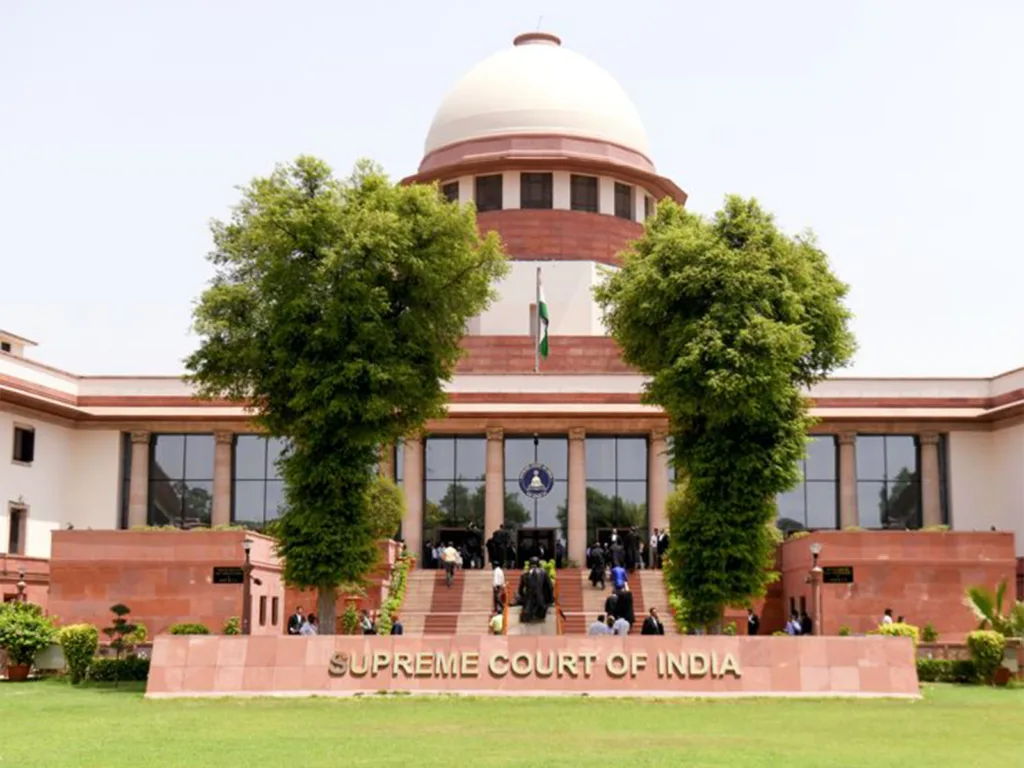
The Supreme Court is expected to hear seven petitions on October 27, 2026, concerning the Election Commission’s SIR controversy. The petitioners include Rahul Gandhi, Digvijaya Singh, Asaduddin Owaisi and other opposition figures. Some pleas seek action against Chief Election Commissioner Gyanesh Kumar and challenge the manner in which the poll panel reached its decisions.
On October 5, the court issued notice on the initial petitions and observed that it could not pass an order solely on the basis of a newspaper report without first hearing the respondents.
The judges also indicated that if a decision by the Election Commission is found to be contrary to law, the court could annul it. The upcoming hearing will therefore be significant in determining how the court approaches the allegations and the Commission’s explanation.
The proceedings are expected to examine the legal basis of the challenges, the evidence supporting the allegations and the Commission’s account of its internal decision-making. The outcome could clarify the extent of judicial scrutiny applicable to the SIR process and the decisions taken under it.