













For millions of people, metro trains are simply part of the daily commute. But the world’s major subway systems can also tell the story of a city, from London’s Victorian tunnels and Moscow’s grand underground stations to Seoul’s high-tech trains and Copenhagen’s driverless network.
CNN Travel has highlighted 18 metro systems that stand out for their history, engineering, scale, design and role in keeping some of the world’s busiest cities moving. The list is not a strict ranking, but a selection of systems that offer something distinctive.
London Underground
London’s Underground opened in January 1863, making it the world’s first subterranean railway. The network has since grown to 272 stations across 11 lines and around 250 miles of route. More than a century and a half later, the Tube remains an essential part of London’s identity and public transport system.
Beijing Metro
Beijing’s Metro has expanded dramatically since opening in 1971. It now has 27 lines, 490 stations and around 564 miles of route, with several lines operating fully automated trains. The network handles close to 10 million trips a day.
Copenhagen Metro
Copenhagen’s Metro is smaller but stands out for its clean design, driverless trains and 24-hour operation. Its four lines connect 39 stations and integrate with the city’s wider network of buses, trains and cycling infrastructure.
Paris Métro
The Paris Métro has been running since 1900 and is deeply woven into the French capital’s cultural landscape. Its 308 stations include famous Art Nouveau entrances designed by Hector Guimard, as well as striking modern and historic underground spaces.
Tokyo subway
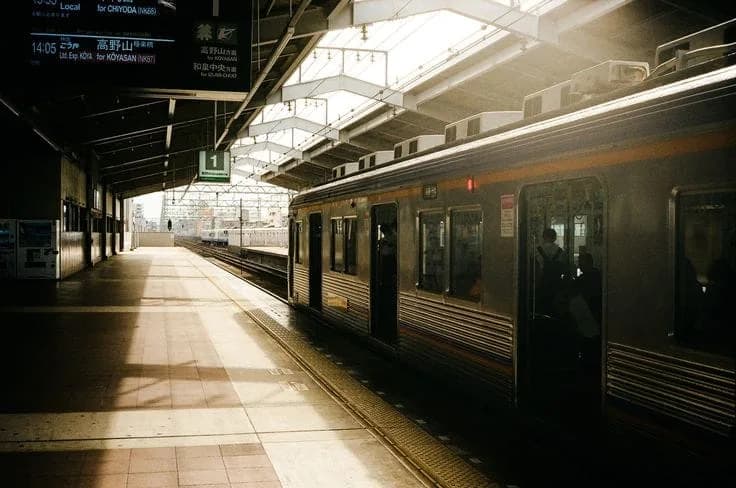
Tokyo’s complex rail network is built around precision and frequency. Tokyo Metro and Toei Subway together operate 13 lines and 286 stations. Multilingual signs, colour coding and station numbers have also made the system easier for international visitors to navigate.
Seoul Metro
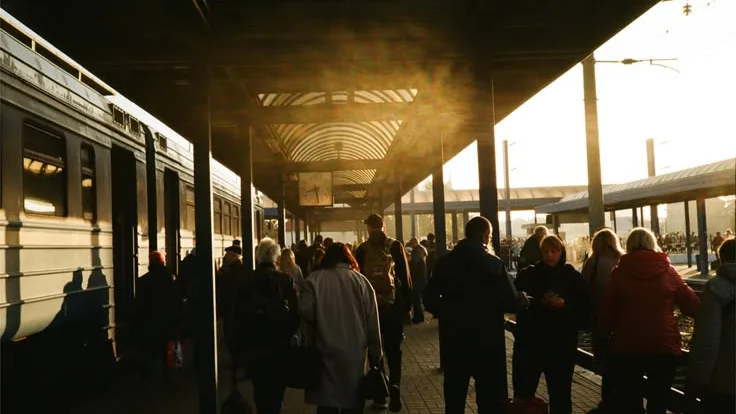
Seoul’s subway is notable for combining efficiency with technology. Passengers can make phone calls and use the internet underground, while trains offer climate control and heated seats. CNN notes that many experts regard the system as one of the world’s best.
New York City Subway
Operating 24 hours a day, the New York Subway has 25 lines, 472 stations and about 665 miles of route. It carries roughly four million passengers daily and serves all five boroughs, making it one of the most recognisable metro systems in the world.
Also Read | Hornbill Festival 2026: 7 reasons Nagaland should be your next travel destination this winter
Mexico City Metro
Mexico City’s Metro is among the world’s largest and busiest systems, offering an inexpensive way to travel across the sprawling capital. Its extensive network is particularly important in a city where traffic congestion can make road journeys difficult.
Singapore MRT
Singapore’s Mass Rapid Transit opened in 1987 and has grown into Southeast Asia’s oldest and busiest metro network. Its trains and stations are known for cleanliness and efficiency, while much of the six-line system operates automatically.
Berlin U-Bahn and S-Bahn
Berlin’s U-Bahn and S-Bahn networks work together with buses and trams to cover the German capital and its surrounding areas. The elevated Stadtbahn offers passengers views of landmarks including the Tiergarten, Berlin Hauptbahnhof and Alexanderplatz.
Moscow Metro
Moscow’s Metro is famous for its grand stations, many of which were designed with elaborate decorations inspired by palaces. The network has grown to 309 stations and around 337 miles of track, carrying more than eight million passengers a day.
Glasgow Subway
Glasgow’s compact circular Subway opened in 1896, making it the world’s third-oldest underground railway after London and Budapest. Its distinctive trains and circular route earned it the nickname “Clockwork Orange”, although the trains are now white.
Shanghai Metro
Shanghai’s Metro has expanded at remarkable speed since opening in 1993. It now has 21 lines and 508 stations, carrying more than 10 million passengers each day. The network is expected to expand further in the coming years.
Also Read | Greenland has no roads connecting its towns: 5 facts about the icy island
Kyiv Metro
Kyiv’s Metro has taken on an additional role during the war in Ukraine. Many stations are designated as bomb shelters, with the system providing protection during Russian attacks while continuing to operate as public transport.
Chicago ‘L’
Chicago’s elevated “L” has become one of the city’s defining sights, appearing in numerous films and television shows. The system now has eight lines and 145 stations, combining elevated tracks with sections running underground and at ground level.
Delhi Metro
Delhi Metro opened its first line in 2002 and has since grown into India’s largest and busiest metro network. It now has 13 high-capacity lines and 303 stations spread across about 258 miles of route, connecting Delhi with several neighbouring cities.
Hong Kong MTR
Hong Kong’s Mass Transit Railway is particularly known for reliability. CNN highlights its reported 99.9% on-time performance despite the challenges of serving a densely populated city surrounded by mountains, islands and a busy harbour.
Budapest Metro
Budapest’s M1 line opened in 1896 and became the world’s first electrified underground railway. The historic line continues to operate beneath Andrássy Avenue and forms part of the Hungarian capital’s four-line metro system.
Together, these metro systems show how urban railways can become much more than a way to get from one place to another. Some represent engineering breakthroughs, others are architectural attractions, while several have become essential pieces of their cities’ history and identity.