


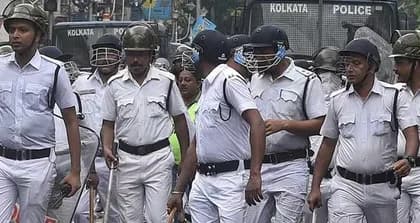






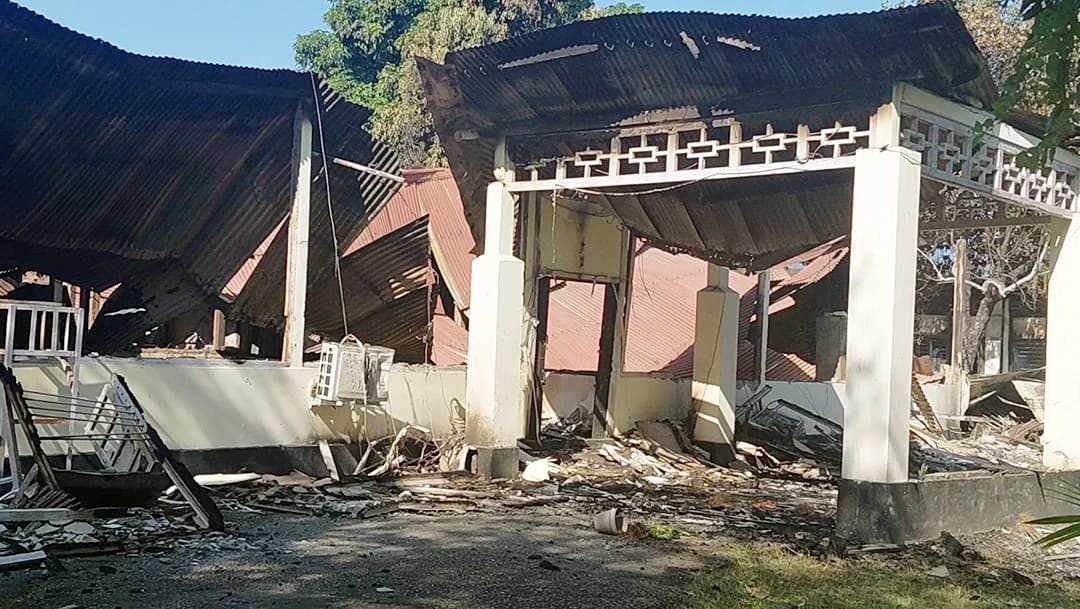



Satyajit Ray Film and Television Institute’s (SRFTI) protest in Kolkata has intensified following actor Naseeruddin Shah’s public support for students facing disciplinary action, while the institute’s administration has defended its response to alleged incidents of vandalism and physical assault on campus. The dispute at the Satyajit Ray Film and Television Institute (SRFTI) has triggered competing claims over student dissent, campus security and the future of academic life at the film institute.
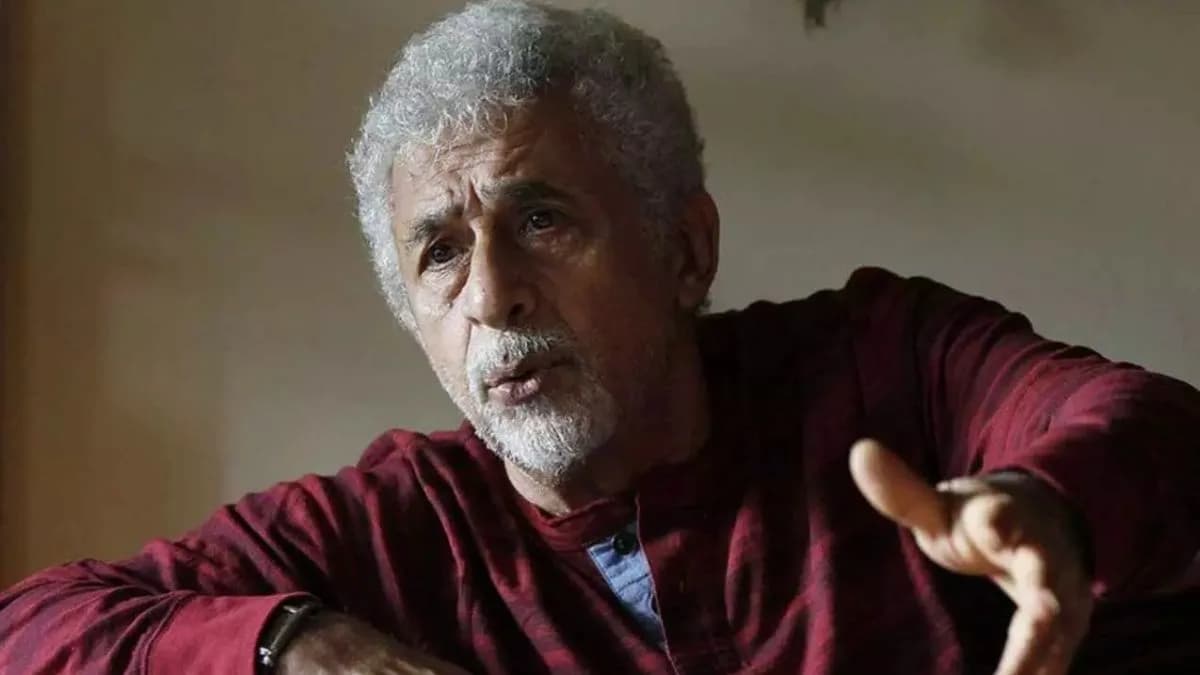
In a video shared on social media, Shah alleged that the Bharatiya Janata Party (BJP) was targeting people who did not agree with its ideology and described the protesting students as victims of political vendetta. The institute’s account, however, maintains that disciplinary measures were taken over alleged misconduct and security concerns rather than students’ political views.

SRFTI’s protest draws support from Naseeruddin Shah and Payal Kapadia
Shah’s remarks have added a prominent voice to the ongoing SRFTI’s protest. The actor alleged that the political climate in West Bengal had contributed to attempts to intimidate students who held different beliefs. He also said efforts to influence or frighten future filmmakers would not succeed.
BJP MP and spokesperson Rahul Sinha criticised Shah’s intervention and called for an investigation into his remarks. Sinha alleged that the comments could be linked to a wider conspiracy involving foreign forces and Opposition parties, including the Congress, Trinamool Congress and CPI(M). These allegations were presented by Sinha, with no independent evidence provided in the reports to substantiate the claim of a conspiracy.
Filmmaker Payal Kapadia has also expressed support for the students, saying she was horrified by the disciplinary action. She linked the dispute to allegations that groups associated with the BJP’s ideological mentor, the Rashtriya Swayamsevak Sangh (RSS), were involved in the incidents.
The sharply different accounts have made the campus dispute part of a wider debate about political influence, surveillance and freedom of expression in educational institutions.
Also Read | Maoist couple wanted in Bengal and Jharkhand surrenders arms before Kolkata Police
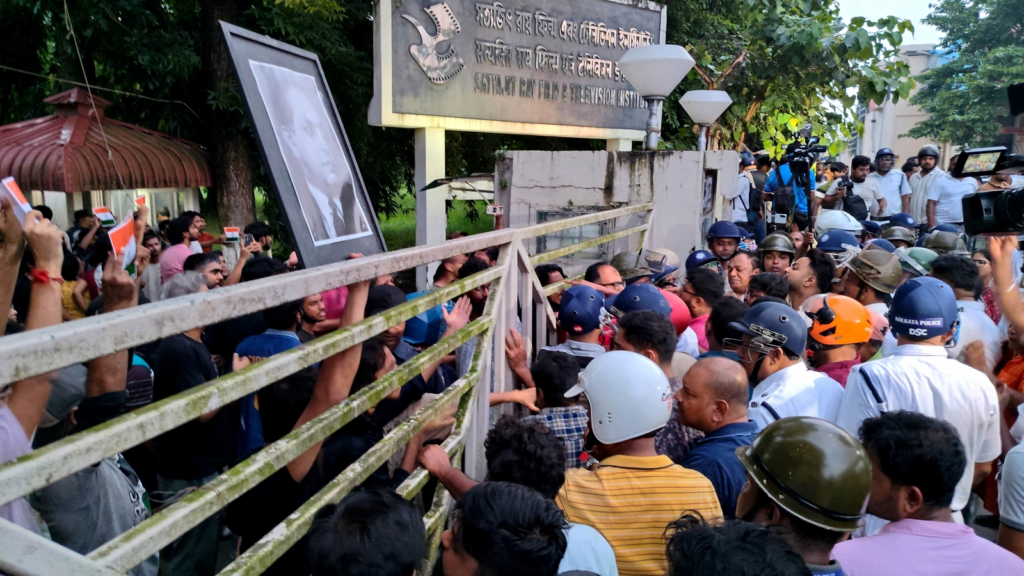
The institute cites alleged violence and damage to campus property
According to an SRFTI report, the disruption began on September 27, when protesting students allegedly entered the main auditorium during an event that had received permission. The institute said the incident led to a physical altercation and vandalism.
The administration also alleged that Vice-Chancellor Santosh Ajmera was held at the campus gate on October 4 until 11 pm. It said a group of students occupied his office for nearly two days from October 6, damaging furniture and other property. Further incidents allegedly occurred on October 15 and 16, including the manhandling of Ajmera and stone-throwing at his office.
The institute has said it filed a first information report against unidentified individuals, arranged hospital expenses for injured students, strengthened security and installed fencing. It also said a committee examined incidents reported between September 27 and October 24.
SRFTI has rusticated six students for one year and suspended classes until November 13, saying the measures were necessary to restore a safe learning environment. Registrar Deepak Kumar separately stated that Shubham Waydande, a rusticated student who had served as students’ union vice-president, was ineligible to represent the union during the disciplinary period.
These accounts reflect the institute’s stated position. The allegations surrounding individual incidents remain subject to the relevant investigative and disciplinary processes.
Also Read | Ranbir Kapoor apologises for Kolkata Dussehra remarks, says ‘slip of tongue’
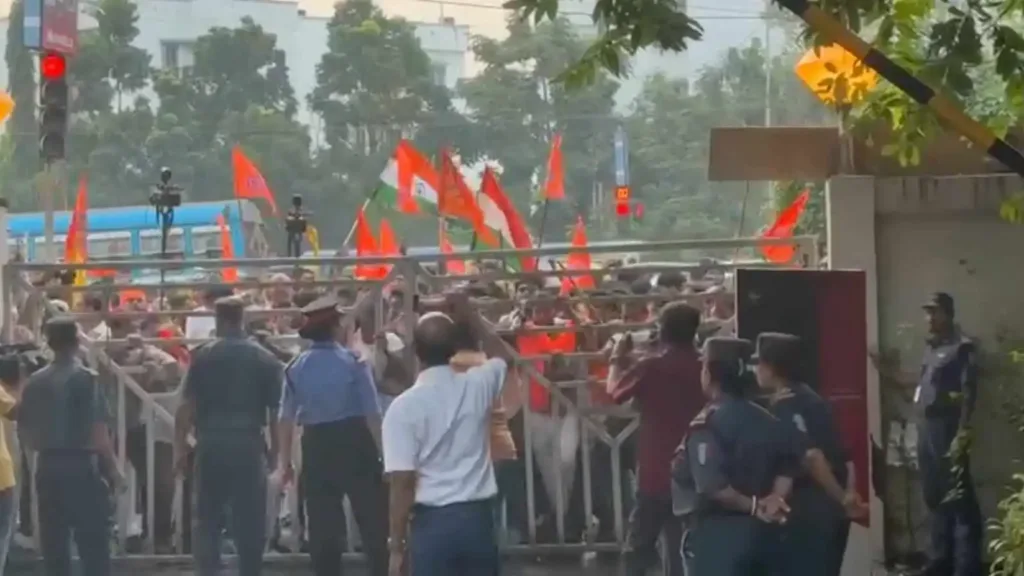
Students announce nationwide campus protest for October 27
SRFTI’s protest has entered its 28th day, with students announcing a nationwide campus protest for October 27. At a press conference on Sunday, protesters appealed to student unions, colleges and universities across India to join their demonstration against what they described as the “saffronisation” of educational institutions and the suppression of dissent.
Students have criticised the rustication orders, the suspension of classes and the instruction to vacate hostels until November 13. They have also raised concerns about access to essential facilities and alleged threats of further disciplinary action.
Their demands include revoking rustication orders, holding student union elections that have been delayed, opposing campus surveillance and addressing caste discrimination. They have also called for the withdrawal of the National Education Policy 2020 and the proposed Viksit Bharat Shiksha Adishthan Bill, 2025.
The administration, meanwhile, has argued that disciplinary proceedings relate to alleged violations of institute rules, including vandalism and physical assault, rather than legitimate protest itself. Vice-Chancellor Ajmera has said the institute remains committed to student welfare and restoring academic normalcy.
The immediate challenge is to address the allegations, ensure campus safety and establish conditions for classes to resume. As the planned nationwide demonstrations approach, SRFTI’s protest is likely to remain a focal point in the broader discussion about student activism and institutional accountability.