














For years, a typical street-food order in Delhi-NCR meant golgappe, aloo tikki chaat, momos or chole bhature. But the roadside menu is changing. Sushi, delicate dim sum, wood-fired Neapolitan pizza and even premium mutton dishes are finding their way onto thelas, bringing restaurant-style flavours to the streets.
From Noida’s Sector 76 market to food carts in Gurgaon, young entrepreneurs are experimenting with international cuisines and familiarising customers with dishes that were once associated largely with cafes and restaurants. Their aim is to make these offerings more accessible without losing the appeal of freshly prepared food.
Also Read | Think solo dates are boring? These 20 ideas may change your mind
The trend is also creating opportunities for small food businesses. Some founders have turned their passion for cooking into full-time ventures, while others are running their carts alongside their regular jobs.
Sushi, dim sum and mango sticky rice make their way to thelas
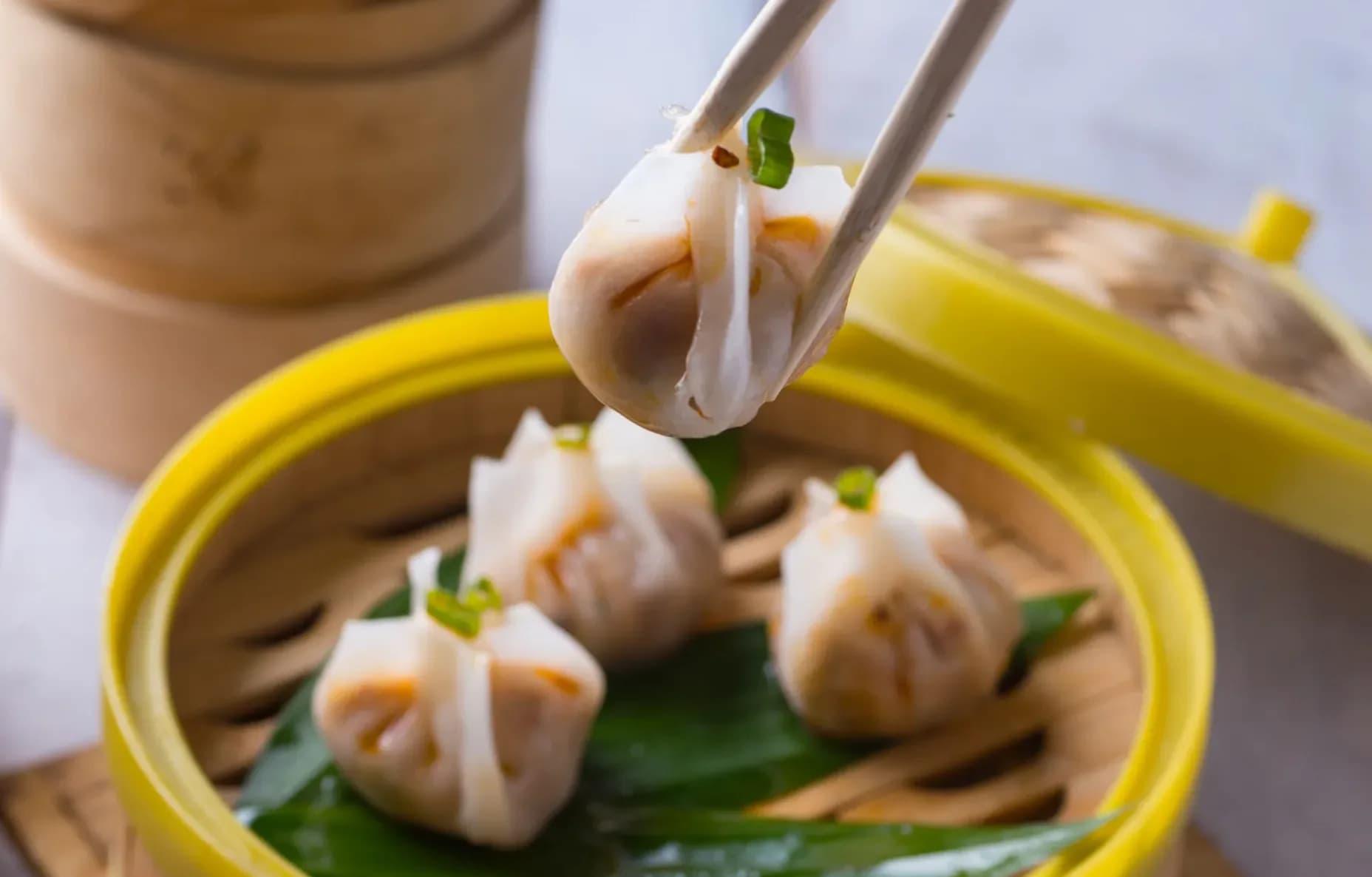
For Prachi Bhalla, founder of Noida-based dim sum cart Steam Bites, the idea began with a meal at Japanese restaurant Kylin. Curious about the dishes and their prices, she began experimenting with making dim sum at home before deciding to sell them at a fraction of restaurant prices.
Bhalla said she wanted to make these dishes more accessible to customers who were interested in trying them but might hesitate at restaurant prices.
Another venture, Sushi Senpai, was started by Prabal Tiwari and Rohan Kumar after they wondered whether sushi could be offered at more affordable prices. Their cart, also located in Sector 76, reportedly serves customers until 3 am.
In Gurgaon, Gaurav Bhareja and his wife have brought Korean, Thai and Japanese dishes to their International Food Haven cart.
For those with a sweet tooth, mango sticky rice offers another alternative to conventional street-side desserts. The dish pairs coconut-rich sticky rice with ripe mango, bringing a popular Southeast Asian flavour to the roadside menu.
What do these gourmet street-food dishes cost?
The prices are one of the attractions. According to the report, a four-piece vegetarian sushi plate starts at around ₹220, while an eight-piece non-vegetarian portion can cost up to ₹550. Dine-in restaurant prices reportedly start at around ₹500.
The pricing varies by vendor, portion size and ingredients, but the broader idea is to offer customers an opportunity to sample international dishes without necessarily paying restaurant rates.
Neapolitan pizza brings a taste of Italy to the roadside
Sushi is not the only restaurant-style offering making its way onto Delhi-NCR’s streets. Gourmet pizza carts are also attracting customers with bubbling mozzarella, puffy crusts and lightly charred edges.
Gusto Italiano and JP Pizzeria are among the ventures serving pizzas from roadside setups. Gusto Italiano, run by friends Kartavya and Puneet, specialises in Neapolitan-style pizzas, alongside calzones and garlic bread.
Puneet learnt the craft from an Italian couple, Max and Jennifer, before the founders began serving pizzas from their cart.
Gusto Italiano operates until around 12.30 am. Depending on the cart and toppings, an eight-inch pizza costs approximately ₹280, while a 10-inch pizza can cost around ₹600.
The appeal lies in bringing a dish associated with specialist pizzerias to a more informal setting. Customers can enjoy freshly prepared pizza without necessarily visiting a full-service restaurant.
Mutton gosht joins the gourmet street-food menu
The changing street-food landscape is not limited to international cuisines. Premium meat dishes are also finding a place on roadside menus.
Laham by Shabfoods, started by former colleagues Rishabh and Shashikant, serves Namkeen Gosht with bite-sized Malabar parottas. The founders, who work as product managers, started the venture as a side business.
The cart reportedly sources its meat from Rajasthan and operates on weekends. Its introductory prices were ₹149 for a half plate and ₹250 for a full plate.
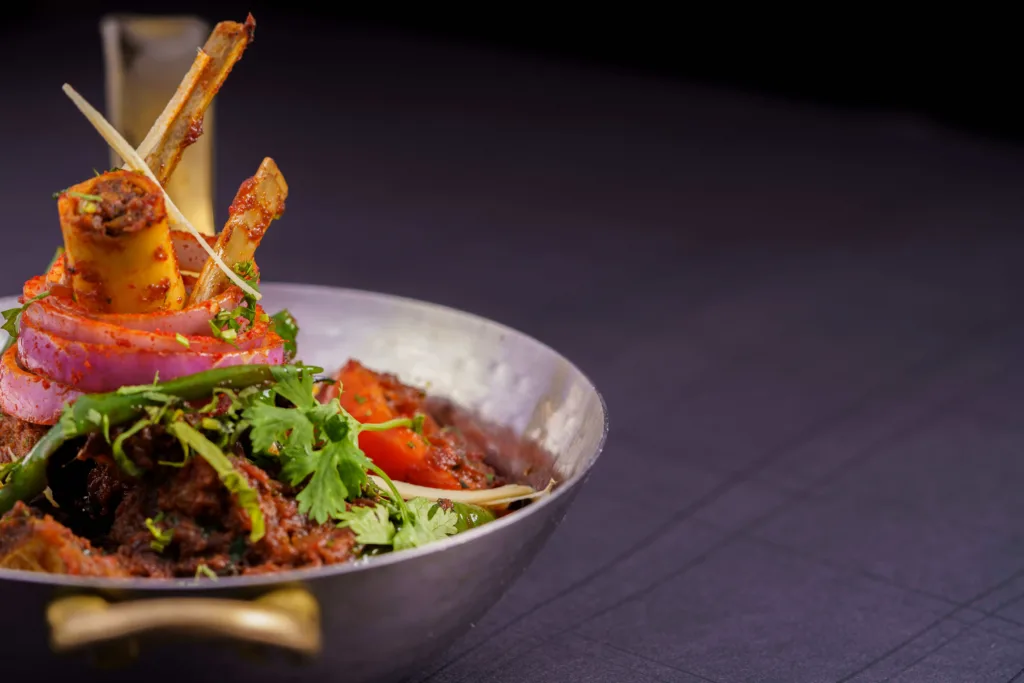
The founders have also invested in the presentation, using fairy lights and a carefully designed cart to create an inviting setting. For customers, the combination of meat, parottas and relatively accessible prices offers an alternative to conventional street-food options.
How are small food carts making gourmet dishes affordable?
The businesses featured in the report have taken different routes into the food industry. Bhalla said she invested approximately ₹1 lakh to ₹1.5 lakh in Steam Bites. Gusto Italiano’s founders invested around ₹3 lakh to ₹4 lakh, while Laham’s founders started with approximately ₹30,000 to ₹50,000.
The founders said their ventures had become profitable, although their operating models and levels of involvement differ.
Keeping prices accessible requires preparation beyond the cart itself. With limited space for cooking, storage and refrigeration, vendors prepare certain ingredients in advance and transport them to their roadside locations.
Puneet told India Today that sauces, dough and other ingredients are prepared beforehand and kept in iceboxes to maintain temperature. He also described using tomatoes imported from Italy for the pizza sauce.
These arrangements help vendors manage the limitations of small carts, although food safety, temperature control and ingredient handling remain important considerations for any business serving perishable food.
What challenges do gourmet street-food vendors face?
Introducing unfamiliar dishes to customers requires more than preparing good food. Vendors must also explain what makes their offerings different from familiar alternatives.
Bhalla said customers sometimes mistake her dim sum for conventional momos. She then explains the differences in wrappers, fillings and preparation, helping first-time buyers understand what they are ordering.
Bhareja said his team encourages new customers to try smaller portions before committing to a full plate. The approach can help people sample unfamiliar cuisines without spending too much.
Not every experiment succeeds, however. Bhareja said the cart had previously offered Thai curry but removed it from the menu because demand was insufficient.
Finding a stable location is another challenge. Some vendors in Noida told India Today that they had been asked to move following complaints about noise and traffic caused by customers stopping their cars near the carts. Some also acknowledged operating outside designated vending zones, citing limited space and delays in fresh allotments. These claims were not independently verified by the publication.
Waiting times can also affect business. With small teams and limited cooking space, popular carts may struggle to handle large numbers of orders quickly.
Rishabh said that when 25 orders are ahead of a customer, the wait can stretch to 40–50 minutes. Unlike a restaurant, where customers can wait while seated in an air-conditioned space, a roadside cart offers fewer comforts.
Is gourmet street food changing Delhi-NCR’s food culture?
The trend reflects a growing willingness among some customers to experiment with cuisines beyond familiar street-food staples. According to the vendors featured in the report, younger customers often discover their carts through saved social media reels and arrive ready to try something new.
Also Read | Too much screen time? Doctors warn of bone health risks in Indian kids
The shift does not mean traditional favourites are losing their place. Golgappe, chaat and momos remain integral to the street-food experience. Instead, sushi, dim sum, wood-fired pizza and other gourmet offerings are expanding the choices available to customers.
For entrepreneurs, these carts offer a way to test a food concept without necessarily investing in a conventional restaurant. For customers, they bring new flavours to familiar neighbourhoods, sometimes at more accessible prices.
Delhi-NCR’s street-food culture is evolving one cart at a time, proving that a roadside menu can accommodate both the familiar plate of chaat and a serving of sushi.