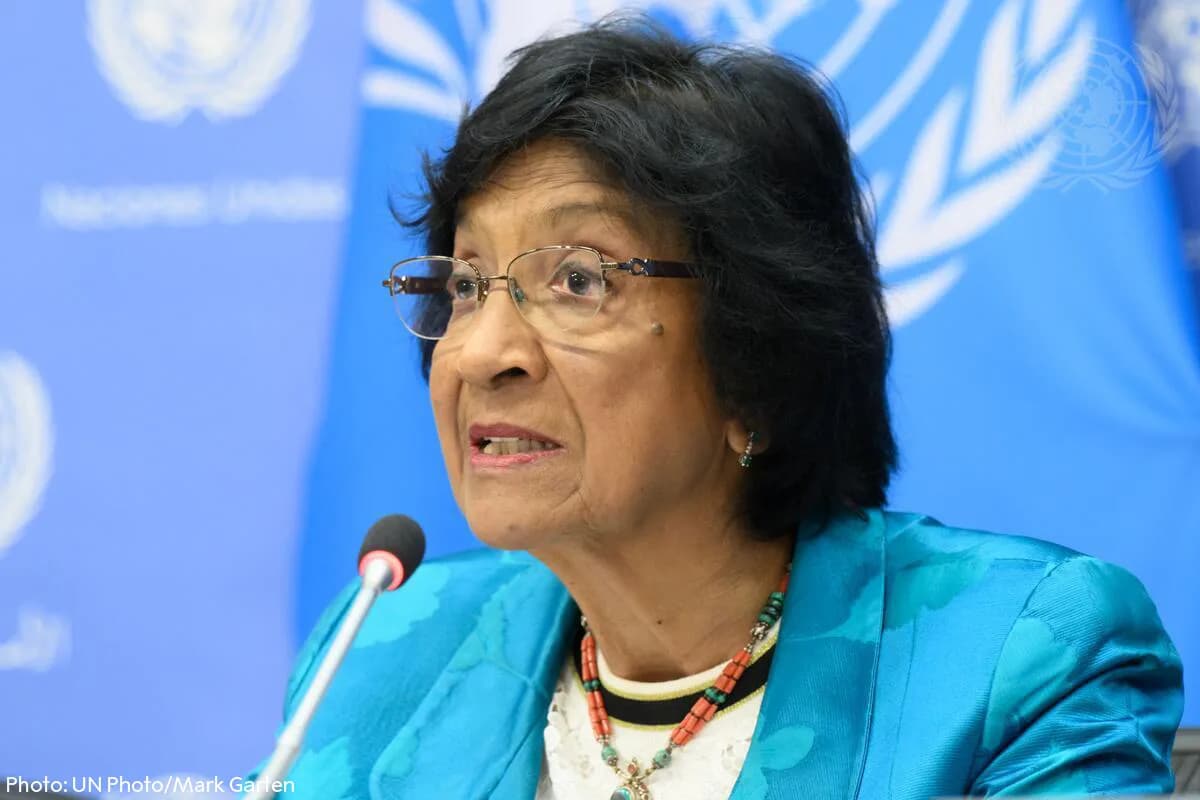











Navanethem “Navi” Pillay, an 85-year-old South African jurist of Indian Tamil origin, has won the 2026 Nobel Peace Prize for her efforts to promote peace and international law. Norwegian Nobel Committee announced the award on Friday, October 9.
The award recognizes Pillay’s dedication to protecting human rights and holding powerful individuals and institutions accountable.
She is a former United Nations High Commissioner for Human Rights and has served as a judge at several international courts. Presently, she serves as an ad hoc judge at the International Court of Justice (ICJ).
Amazing moment. Navi Pillay has received the Nobel Peace Prize ! https://t.co/HL3r1PJzLO We are at the Nuremberg Court; I cannot think of a stronger symbol for her Nobel prize. We are all so thrilled! This is her first reactions upon hearing the news: https://t.co/Crbj6XdiyQ
— Agnes Callamard (@AgnesCallamard) October 9, 2026
Also Read | US states turn to ‘public nuisance’ law in fresh bid to curb abortion pills
International law under pressure
The award comes at a time when international legal institutions face growing political pressure. The Nobel Committee has highlighted the importance of protecting the rules and institutions that help prevent conflicts from escalating into violence.
“The system of international law is under tremendous pressure, and its institutions are under attack,” the committee said in its statement.
It also warned against a shift towards power politics at the expense of legal frameworks.
The broader issue is how countries and their leaders are held accountable when serious abuses take place. International law sets out rules governing how states and individuals must act.
International courts can investigate certain crimes, prosecute individuals, or decide disputes between states, depending on their jurisdiction. These institutions do not automatically stop wars or guarantee justice.
However, they provide legal mechanisms to challenge abuses and establish responsibility.
Pillay’s career has focused on strengthening these mechanisms and ensuring that victims are not excluded from the pursuit of justice.
Navi Pillay, a former @UNHumanRights Chief, has just won the 2026 #NobelPeacePrize. "She has been a staunch defender and advocate of human rights. It is important in this day and age to see that acolade being awarded to those who are speaking out on violations of human rights." https://t.co/p5wN8mMyy5
— United Nations Geneva (@UNGeneva) October 9, 2026
Pillay’s early life and fight against apartheid
Born in Durban in 1941, Pillay grew up during South Africa’s apartheid system, which enforced racial segregation and discrimination.
Her experiences helped shape her commitment to equality and justice. In 1967, she became the first woman to establish a law practice in Natal, now part of KwaZulu-Natal.
She later became the first non-white woman to serve as a judge on South Africa’s High Court. Her early legal work included defending Nelson Mandela and others who opposed apartheid.
Her career subsequently took her beyond South Africa. In 1995, she joined the International Criminal Tribunal for Rwanda, established to prosecute those responsible for genocide and other serious crimes committed during the 1994 Rwandan genocide.
She later served as the tribunal’s president for two terms, from 1999 to 2003.
A MOMENT OF PRIDE FOR INDIA. A LEGACY FOR THE WORLD. 🇮🇳 Heartiest congratulations to Navi Pillay on being awarded the 2026 Nobel Peace Prize. An extraordinary journey of courage, justice and unwavering commitment to human rights. Her achievement stands as an inspiration to generations and a reminder that the pursuit of peace and dignity can transcend borders. A proud moment. An inspiring legacy. A victory for humanity. @NobelPrize @NobelPeaceOslo #NaviPillay #NobelPeacePrize2026 #PrideOfIndia #PeaceAndJustice #HumanRights
— Jebi Mather (@AdvJebiMather) October 9, 2026
The Rwanda tribunal and a landmark judgment
One of the tribunal’s landmark cases was the prosecution of Jean-Paul Akayesu, a former Rwandan mayor convicted of genocide and crimes against humanity in 1998.
The judgment recognized that rape and other forms of sexual violence could constitute acts of genocide when committed with the required intent to destroy a protected group, in whole or in part.
The ruling became an important development in international criminal law. It also helped establish that sexual violence during conflict must be taken seriously in the prosecution of grave crimes.
Navi Pillay last year: "The commission finds it is genocide" Pillay has just won the Nobel peace prize. https://t.co/LsflGuiNph
— Saul Staniforth (@SaulStaniforth) October 9, 2026
Also Read | 7 things to know about US PERM crackdown on Infosys, Tata, Wipro and Microsoft
Pillay’s international career and the Gaza controversy
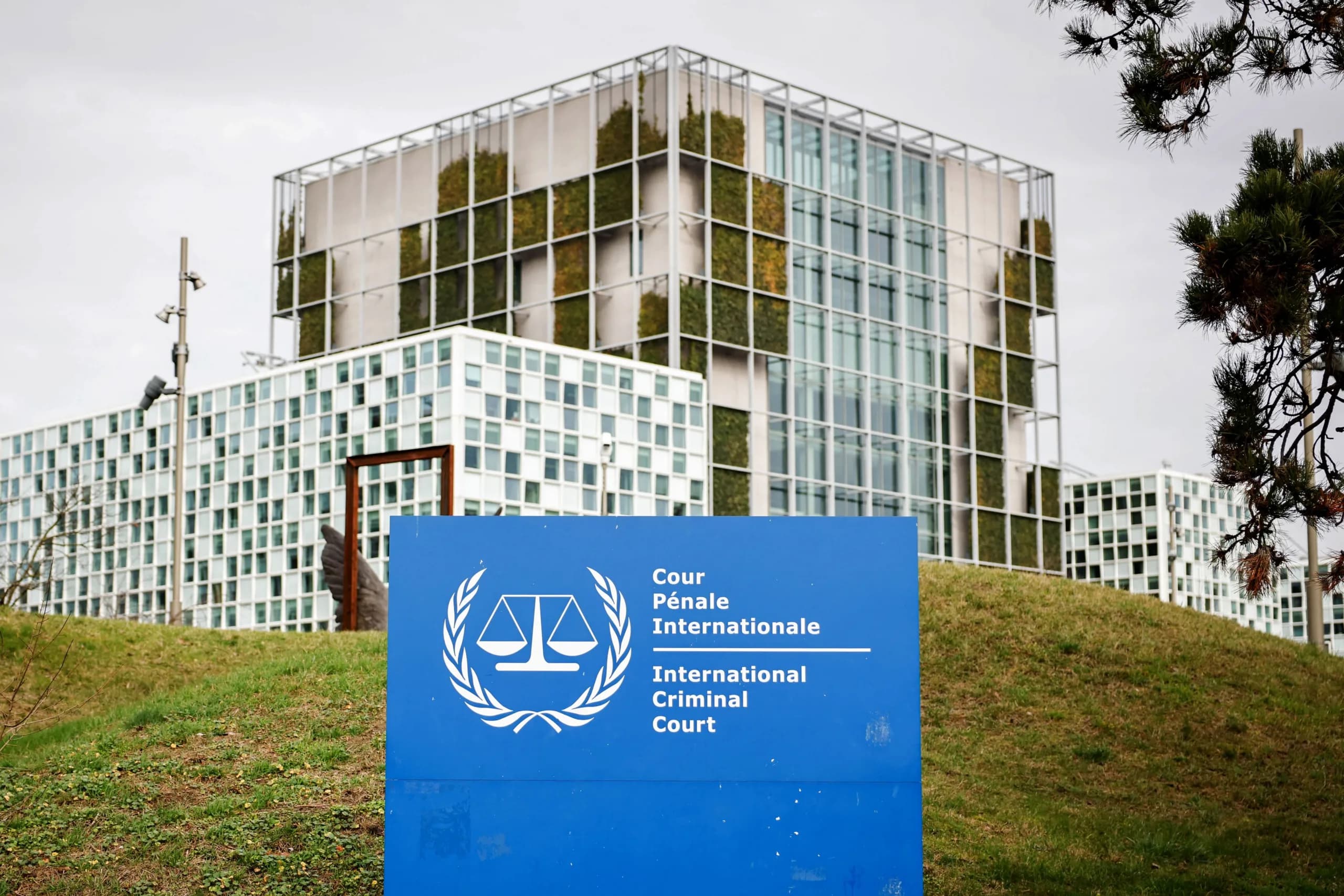
In 2003, Pillay was elected a judge of the International Criminal Court (ICC), which prosecutes individuals accused of crimes such as genocide, war crimes, and crimes against humanity within its jurisdiction.
Five years later, she became the UN High Commissioner for Human Rights, serving from 2008 to 2014. In that role, she worked to promote human rights and accountability worldwide.
The ICC and the ICJ are separate institutions, the former deals with individual criminal responsibility, while the latter primarily settles legal disputes between states and issues advisory opinions.
Pillay’s recent work has also drawn international scrutiny. She chaired a UN-backed Commission of Inquiry on the Occupied Palestinian Territory and Israel, which concluded in 2025 that Israel had committed genocide in Gaza.
Israel rejected the commission’s findings. The report and its conclusions remain politically contentious.
However, the Nobel Committee’s stated rationale for Pillay’s award centers on her broader record and her efforts to promote peace and international law.
The Nobel Peace Prize carries an award of 12 million Swedish kronor. The ceremony is scheduled to take place in Oslo on December 10, the anniversary of Alfred Nobel’s death.