












Indian mythology, folklore and cultural history have long provided filmmakers with stories, characters and worlds that are deeply rooted in the country’s collective imagination. Now, as Indian cinema looks increasingly towards global audiences, filmmakers and producers are asking whether this vast storytelling heritage can become the foundation for franchises with the reach of Marvel and DC.
The question came up at a recent gathering of filmmakers, producers, animators and technology experts in Hyderabad, where discussions focused on the changing nature of filmmaking and the possibilities offered by artificial intelligence. Alongside conversations about technology, participants also explored the potential of taking Indian stories to audiences around the world.
AI could make filmmaking more accessible
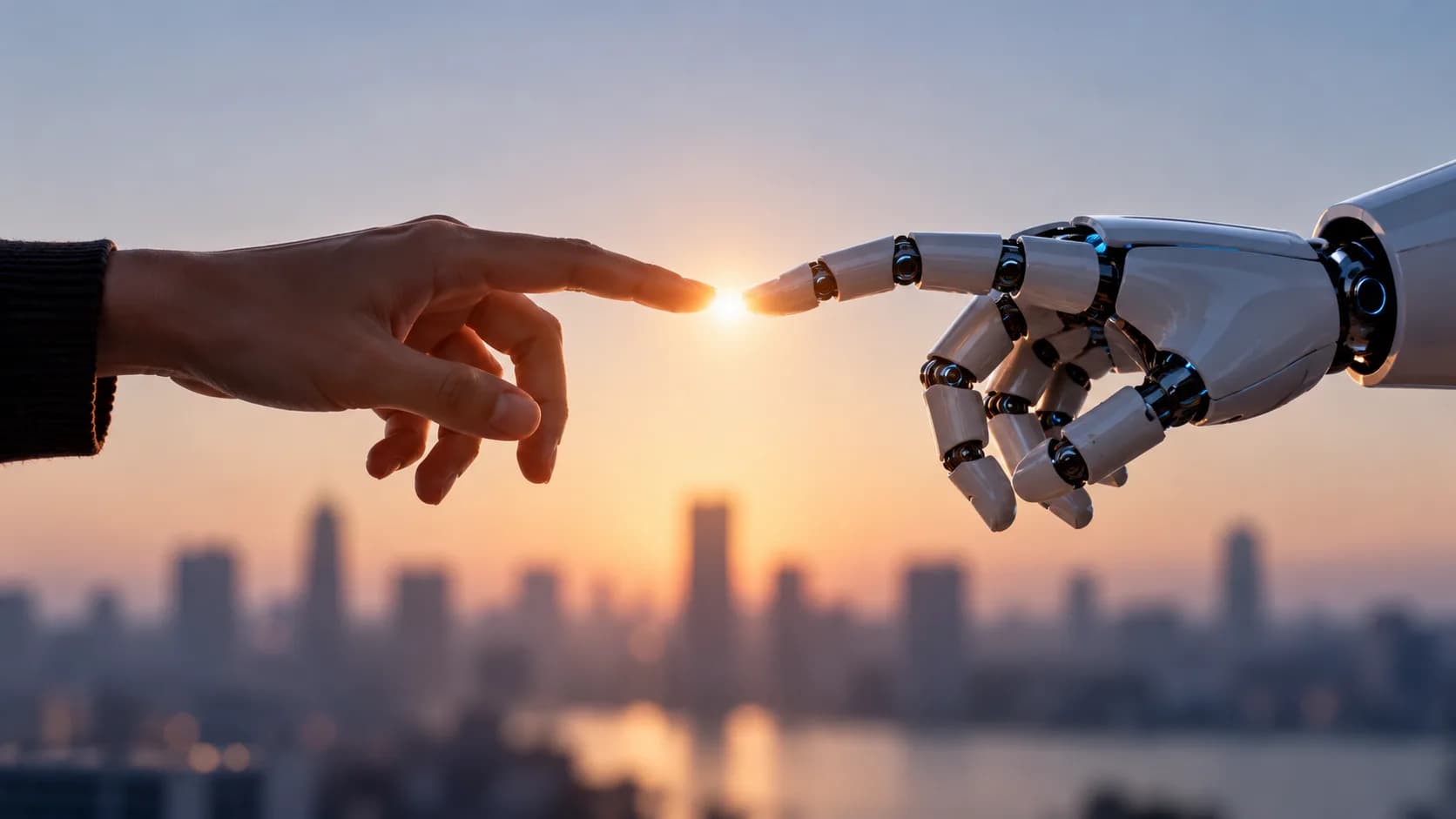
Producer and Telangana Film Development Corporation Chairman Dil Raju believes artificial intelligence could significantly change how films are made. He pointed to the evolution of visual effects in Indian cinema and said the rapid development of AI could eventually allow aspiring filmmakers to create ambitious projects using little more than their phones.
According to Raju, creators may no longer need large offices or studios to bring their ideas to life. AI could give independent filmmakers greater freedom to experiment and produce sophisticated visual experiences.
He also pointed to the response to films such as HanuMan as evidence that audiences are interested in fresh cinematic experiences driven by technology.
Technology cannot replace the human storyteller
Director Rajesh Mapuskar, who spoke about his upcoming global AI film Chiranjeevi Hanuman, offered a more cautious view of the technology.
For him, AI should remain a filmmaking tool rather than become a replacement for human creativity. He argued that consistency, continuity and other technical aspects can benefit from AI, but the emotional core of a story comes from the filmmaker.
Also Read | 7 European places steeped in legends of giants, devils and dragons
Mapuskar pointed to personal experiences, memories and observations as the elements that give his work authenticity. He believes those human experiences are difficult for technology to reproduce.
He also highlighted Hyderabad’s importance to Indian cinema, noting that filmmakers such as SS Rajamouli have helped take Indian storytelling to international audiences.
India has a vast mythology to explore
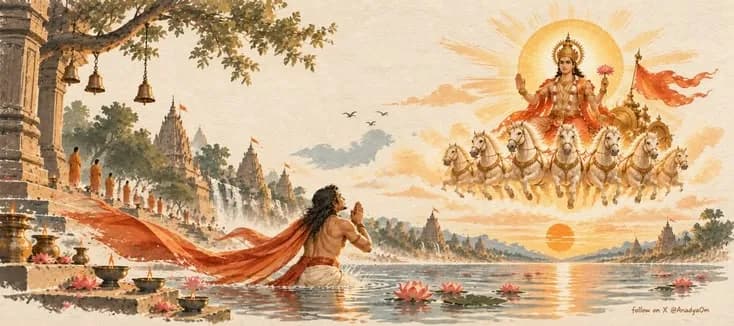
The larger opportunity, according to producer and pop culture executive Vijay Subramaniam, lies in the sheer depth of Indian mythology, folklore and history.
Subramaniam argued that these stories remain underexplored when compared with the global prominence of franchises built around Western mythology and superheroes. He questioned why discussions about India’s equivalent of Marvel, DC or Disney rarely begin with the country’s own folklore and cultural heritage.
For him, taking Indian stories to the world is not simply a commercial opportunity but a personal mission. He believes the country has a vast collection of characters, legends and cultural narratives that could be developed for international audiences.
Can mythology become a global franchise?
The idea is not entirely new. Indian cinema has already experimented with mythology-inspired superheroes, fantasy worlds and interconnected storytelling. Films such as HanuMan have demonstrated that mythological ideas can be reimagined through contemporary cinematic language, while other Indian filmmakers have explored folklore and traditional narratives through different genres.
What remains to be seen is whether these individual successes can develop into larger, interconnected entertainment properties that extend beyond films into animation, games and other formats.
Also Read | How Muslims became part of South India’s Hindu traditions
The combination of India’s deep storytelling traditions and rapidly developing technology could create new possibilities. But as the filmmakers at the Hyderabad gathering suggested, technology alone will not determine whether Indian mythology travels successfully across borders. The stories will still need strong characters, emotional depth and a distinctive creative vision.
If Indian filmmakers can combine those elements with modern world-building and production tools, the country’s mythology and folklore could have the potential to become part of a much larger global storytelling landscape.