












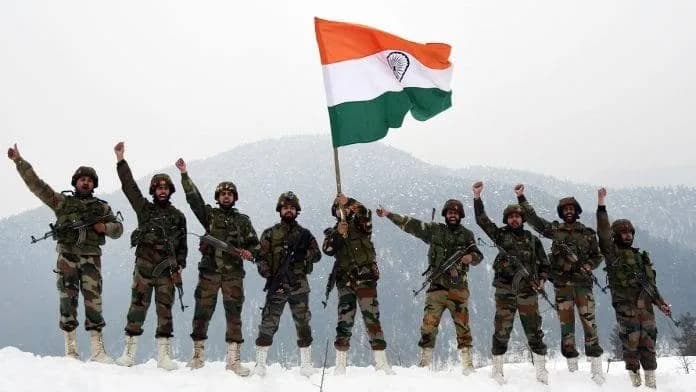
India’s military ranking 2026 highlights the country’s position among the world’s leading military powers, with India placing second in active personnel, fifth in tank inventory, and fourth in both military aircraft and naval assets. China leads in troop numbers, tanks and the number of naval assets, while the United States holds a commanding advantage in military aircraft and total fleet tonnage. The rankings, based on Global Firepower data compiled by Visual Capitalist, illustrate how military strength varies depending on the category being measured.
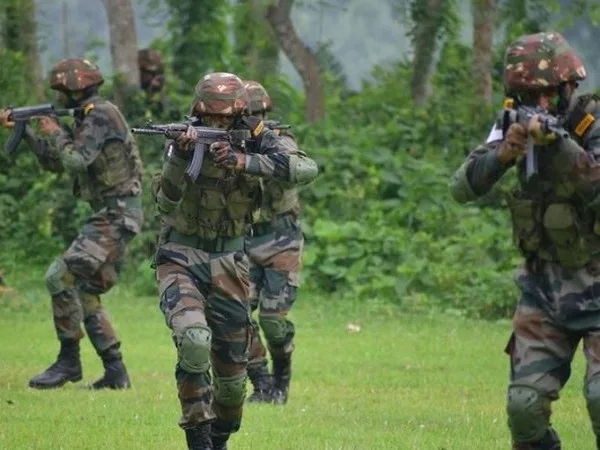
India’s military ranking 2026 places country second in active troops
China has the world’s largest active military force, with approximately 2.035 million personnel, according to the data. India follows with 1.431 million active personnel, while the United States ranks third with around 1.333 million.
Russia and North Korea are tied at fourth place, each with approximately 1.32 million active personnel. Ukraine ranks sixth with 900,000, followed by Pakistan with 660,000 and Iran with 610,000. Ethiopia and Türkiye complete the top 10.
The figures exclude reserve forces and paramilitary personnel, focusing specifically on active military members. North Korea’s substantial personnel count reflects its longstanding emphasis on maintaining a large standing force.
However, troop numbers alone cannot determine a country’s military effectiveness. Training, equipment quality, operational readiness, leadership, logistics and the ability to coordinate different branches of the armed forces also influence combat capability.
Also Read | INDIA Bloc plans 2-day protest push with CEC ‘public impeachment’ on October 30
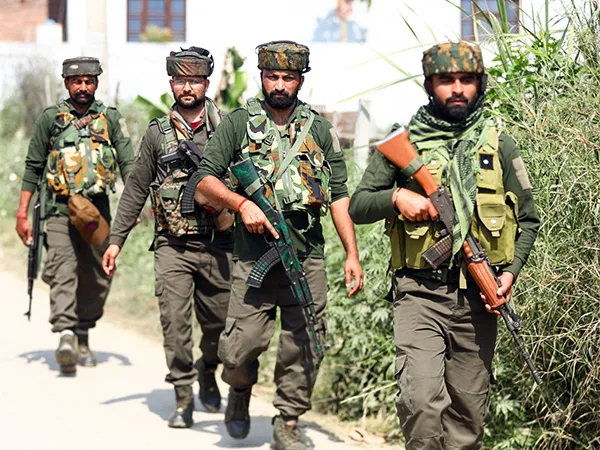
India’s military ranking 2026 shows different strengths in tanks and aircraft
China also leads the global tank inventory, with 5,870 tanks, followed by Russia with 5,630 and North Korea with 4,895. The United States ranks fourth with 4,666 tanks, while India occupies fifth place with 3,913, according to the analysis.
Egypt, Pakistan, Iran, Türkiye and Vietnam complete the top 10 tank rankings. These figures reflect reported inventories rather than the number of vehicles that are operational, modern or immediately available for deployment.
India’s military ranking 2026 looks different when military aviation is considered. The United States leads by a substantial margin, with 13,032 military aircraft. Russia ranks second with 4,237, followed by China with 3,529.
India ranks fourth with 2,183 aircraft, ahead of South Korea, Japan and Pakistan. Türkiye, Egypt and France complete the top 10.
The American advantage includes a broad range of aircraft, from combat jets and helicopters to transport planes, trainers and platforms supporting long-distance operations. When the comparison is restricted to fighters and interceptors, the gap narrows: the United States has 1,791 such aircraft against China’s 1,443, according to the figures cited by Visual Capitalist.
Also Read | Can rabies spread through dairy products? What experts say after Gorakhpur scare
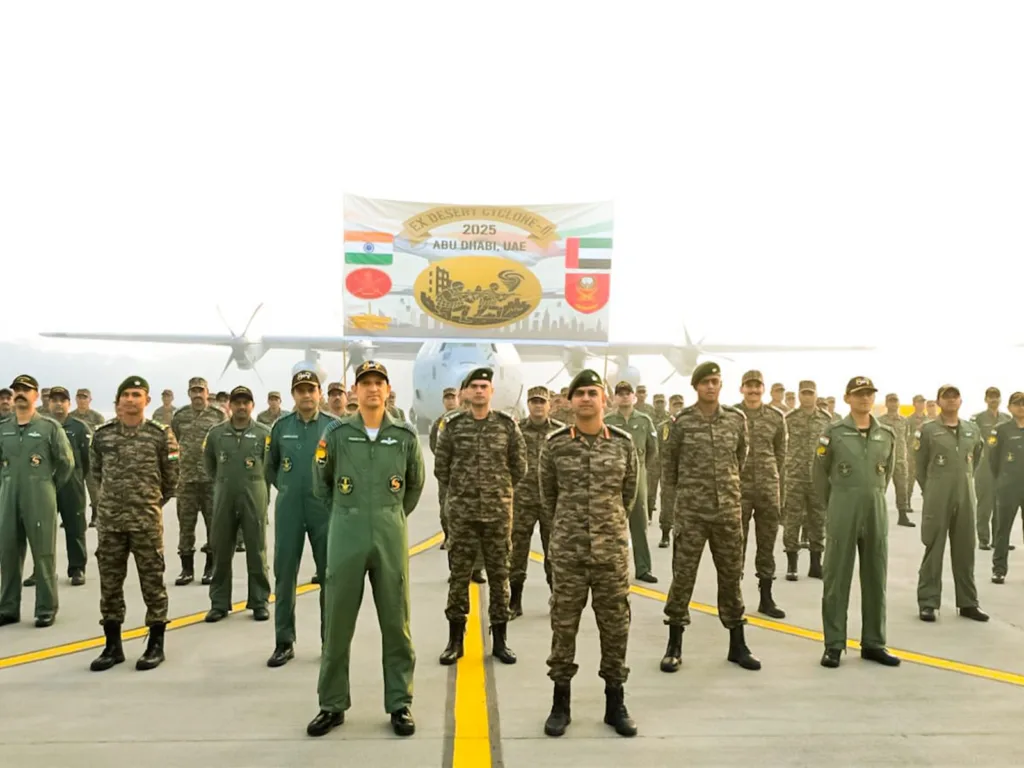
India’s military ranking 2026 puts China ahead in naval numbers
China leads the ranking of naval assets with 841 vessels, followed by Russia with 747 and the United States with 465. India ranks fourth with 343 naval assets, narrowly ahead of Indonesia, which has 338.
North Korea, Thailand, Italy, Sweden and Sri Lanka complete the top 10. The rankings count naval assets rather than measuring the overall combat strength of each fleet.
China’s large inventory is supported by its extensive shipbuilding capacity and continuing naval modernisation. However, vessel counts do not fully capture the size, capabilities or operational value of individual ships.
The picture changes when fleets are compared by total displacement, which measures the combined weight of the vessels. According to Visual Capitalist’s analysis of Global Firepower data, the United States leads this category, with roughly 2.6 times China’s total fleet displacement.
For India’s military ranking 2026 shows a broad presence among the world’s leading forces, although its position varies across categories. China has larger reported inventories of personnel, tanks and naval assets, while the United States leads in aircraft numbers and fleet tonnage.
These rankings should be viewed as measures of military scale, not definitive assessments of combat effectiveness. Readiness, technology, training, logistics, industrial capacity and coordination between military services all shape how effectively a country can deploy its forces.