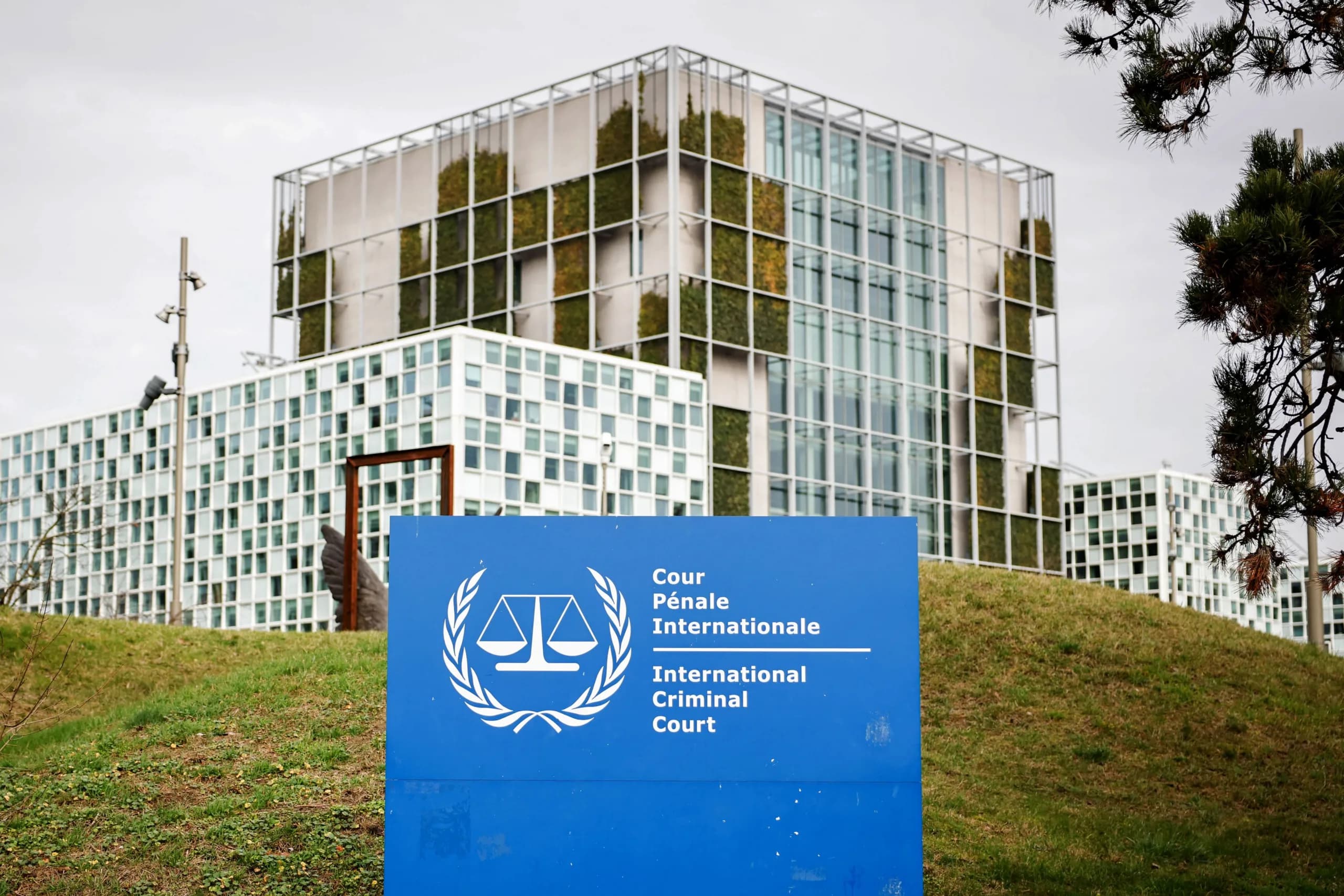











The International Criminal Court (ICC) is a permanent international court based in The Hague, the Netherlands. It investigates and tries individuals accused of some of the gravest crimes under international law.
These include genocide, war crimes, crimes against humanity, and the crime of aggression. The court was established under the Rome Statute, a treaty adopted on July 17, 1998, which entered into force on July 1, 2002.
Its central purpose is to ensure that individuals responsible for such crimes can be held accountable, even when national justice systems fail to act.
However, the ICC is not designed to replace domestic courts. It functions as a court of last resort, stepping in when national authorities are genuinely unwilling or unable to investigate and prosecute a case. The court has 125 member states and a budget of approximately €196 million for 2026.
The International Criminal Court was created in 1998 to bring perpetrators of genocide, war crimes, crimes against humanity, and crimes of aggression to justice—beyond borders. A milestone in international accountability. #UNCharter @intlcrimcourt https://t.co/gOpDY8JZKA
— United Nations Geneva (@UNGeneva) October 9, 2026
Also Read | Navi Pillay wins 2026 Nobel Peace Prize for championing international law
The four crimes under the ICC’s jurisdiction
The four crimes under the ICC’s jurisdiction have distinct legal meanings. Genocide involves the specific intent to destroy, in whole or in part, a national, ethnic, racial, or religious group.
Crimes against humanity include offenses such as murder, torture, rape, imprisonment, and persecution when committed as part of a widespread or systematic attack against a civilian population.
War crimes involve serious violations of the laws governing armed conflict, including certain attacks on civilians and the mistreatment of prisoners.
The crime of aggression concerns the unlawful use of armed force by one state against another, subject to the legal conditions set out in the Rome Statute.
These cases are criminal proceedings against individuals, not trials of entire countries. Prosecutors must establish the accused person’s guilt beyond reasonable doubt.
Judges assess the evidence and determine whether the charges have been proved. An arrest warrant or a formal accusation does not, by itself, establish guilt.
⚖ How well do you know the International Criminal Court? We sat down with @Gabucher , CEO of the @FundHumanRights , on the ICC’s role in prosecuting the gravest crimes, and why NGOs are vital to the process. 🎥 Stay tuned for the 9th edition on 10–11 November. #criminalcourt #warcrimes #genocideFollow
— Paris Peace Forum (@ParisPeaceForum) October 2, 2026
Who falls within the court’s reach?
The ICC’s jurisdiction is one of the most important, and frequently misunderstood, aspects of its work. It can generally hear cases involving alleged crimes committed on the territory of a member state or by a national of a member state.
It may also exercise jurisdiction when a non-member country accepts its authority in a particular situation or when the United Nations Security Council refers a situation to it.
This explains why the court can pursue allegations involving nationals of countries that have not joined the Rome Statute.
ICC has asserted jurisdiction over alleged crimes involving Israelis in the Palestinian territories and Russian nationals in connection with alleged crimes in Ukraine. Israel and Russia are not members of the court and have challenged its jurisdiction; both have denied committing the alleged atrocities.
The ICC must also be distinguished from the International Court of Justice (ICJ), which deals primarily with legal disputes between states and provides advisory opinions on legal questions.
The ICC, by contrast, prosecutes individuals for alleged crimes.
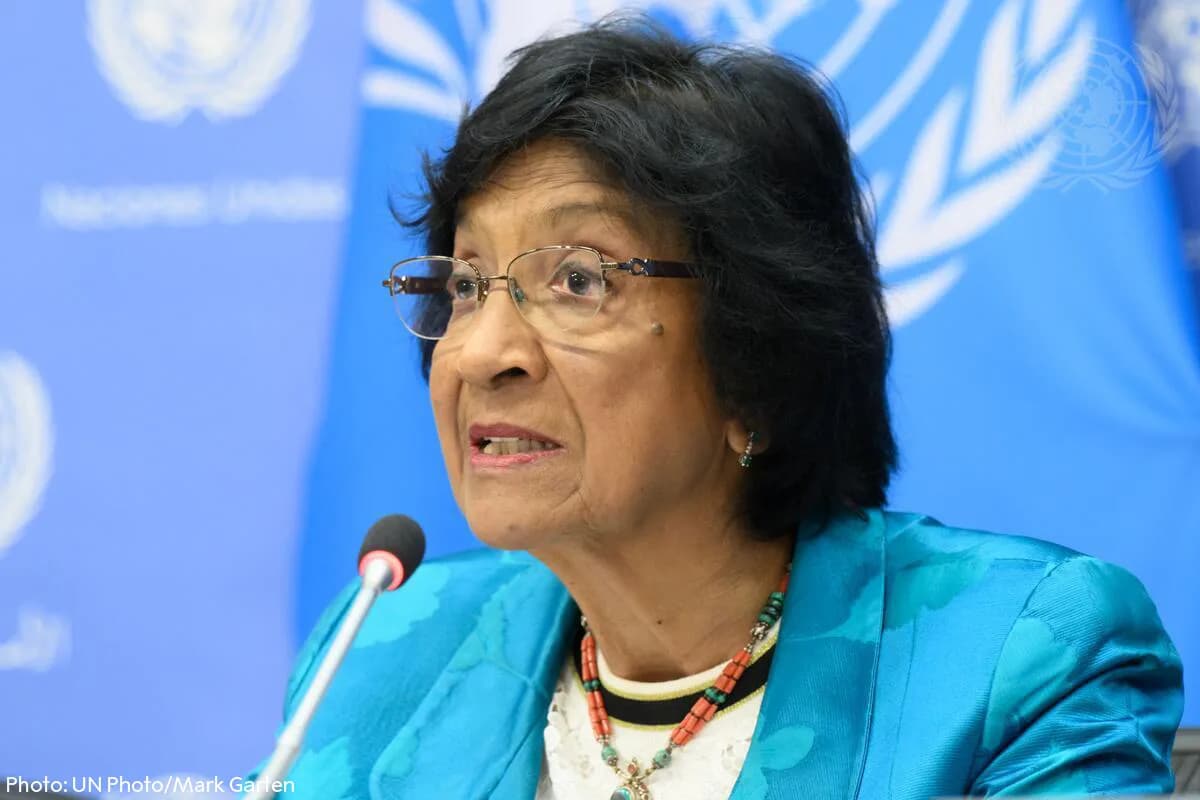
South Africa’s Navi Pillay, a former UN human rights chief and judge at the International Court of Justice, has won the Nobel Peace Prize for her efforts to promote peace and international law. The 85-year-old, who was born in Durban, South Africa, to a family of Indian Tamil origin, has served on several international courts, including the International Criminal Court and the International Criminal Tribunal for Rwanda. Pillay chaired a UN commission that drafted a report that concluded Israel had committed genocide in Gaza, a finding that has drawn international attention and debate. https://t.co/JFcmcfJIjh
— Kennedy Wandera (@KennedyWandera_) October 9, 2026
Also Read | 7 things to know about US PERM crackdown on Infosys, Tata, Wipro and Microsoft
The court has a gavel, not a police force
A typical ICC case can begin with a preliminary examination, followed by a formal investigation if the legal requirements are met. Prosecutors gather evidence and may ask judges to issue arrest warrants or summonses.
At the pre-trial stage, judges assess whether there is sufficient evidence for the case to proceed to trial. The court can impose prison sentences, but its enforcement powers have a major limitation; it has no independent police force.
It relies on countries to arrest suspects, transfer them to The Hague, and assist with enforcing sentences. This can make it difficult to bring accused individuals before judges, particularly when governments refuse to cooperate.
The court had issued 68 arrest warrants across 34 cases, while 34 wanted suspects remained at large. The ICC has also returned convictions and acquittals, demonstrating that its proceedings do not automatically result in a guilty verdict.
The court has returned to the spotlight following former ICC judge Navi Pillay’s Nobel Peace Prize win on October 9.
UN human rights chief Volker Türk described the award as a “collective win” for human rights and those seeking justice, adding that “we need international criminal accountability mechanisms, including the International Criminal Court.”
His remarks highlight the institution’s continuing role in international justice, even as its ability to act depends heavily on cooperation from states.