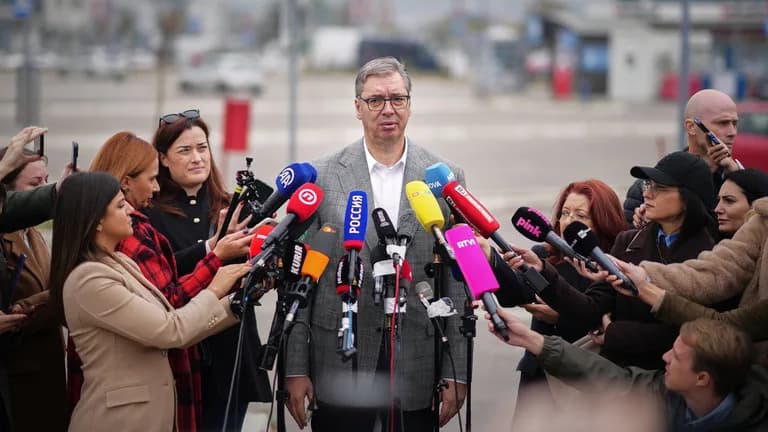


Serbia is entering a new political phase after a student-backed movement defeated the ruling alliance led by Aleksandar Vucic in Sunday’s parliamentary election.
The result followed two years of anti-government protests and triggered celebrations across the country. According to Serbia’s State Election Commission, with almost 99% of votes counted, the student-backed candidates had secured 52.7% of the vote, against 39.2% for Vucic’s Serbian Progressive Party (SNS)-led alliance.
The movement is set to win 139 seats in the 250-member parliament, giving it a clear majority. The SNS-led alliance is projected to hold 97 seats.
WATCH: Serbian police withdraws from central Belgrade after Aleksandar Vučić’s ruling party loses power to the student-backed Student List. https://t.co/yibJBBPpfR
— AfrikTimes (@afriktimesint) October 26, 2026
Also Read | A fourth term for Lula, a mountain of debt and a Congress pushing back
A political stronghold meets an inconvenient public mood
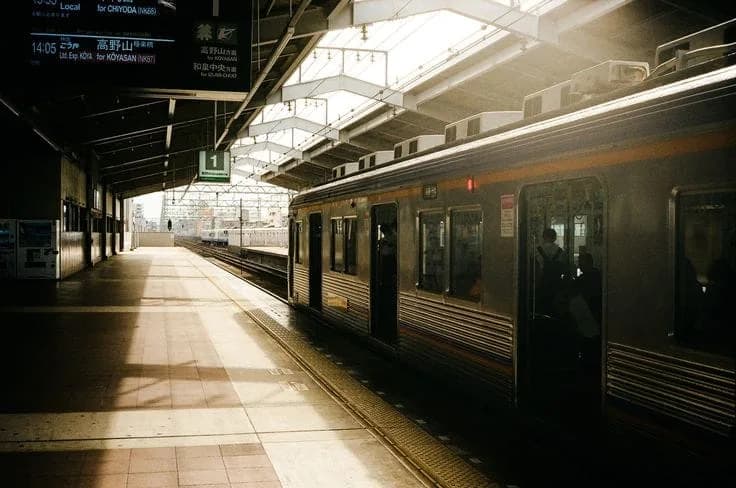
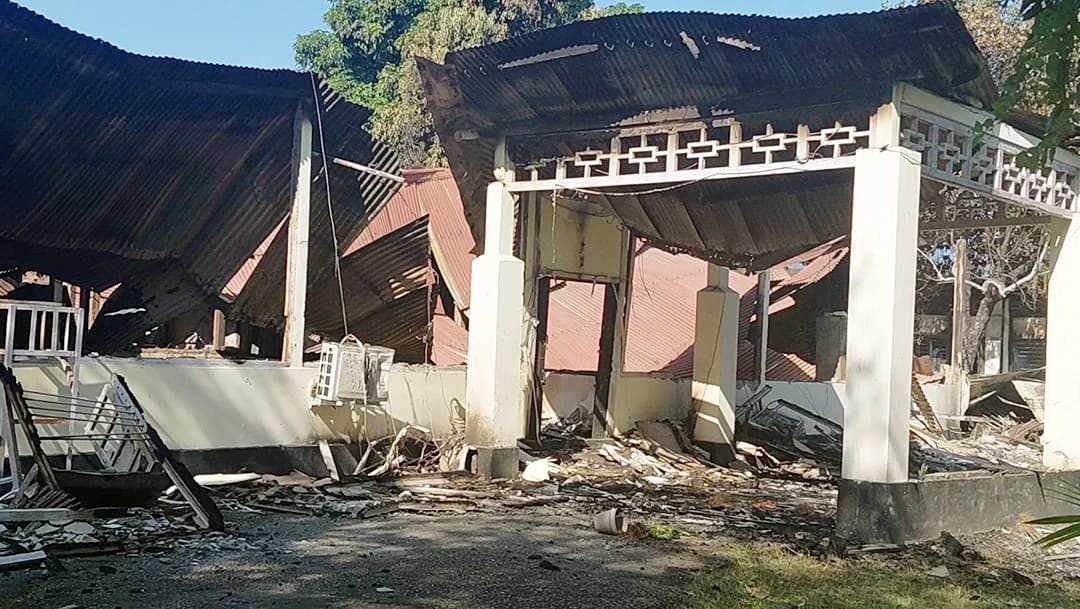
The movement’s rise began with public outrage over the deaths of 16 people in the collapse of a railway station canopy in Novi Sad.
The tragedy became a rallying point for protests over alleged corruption and failures in public accountability. Demonstrations continued for two years, drawing students and other citizens who demanded political change.
Vucic and the SNS repeatedly denied accusations of corruption and repression. The election result marks a major setback for a political camp that had dominated Serbia’s politics since Vucic became prime minister or president in 2014.
A winning slate, but who holds the reins?
However, winning an election and running a country are different challenges. The student-backed electoral slate, known as the Student List, does not have a single recognised leader.
That approach helped the movement avoid becoming centred on one personality during the protests. Its candidates include university professors, a cardiologist, a former central bank governor, actors and farmers.
Prominent figures include cardiologist Ilija Srdanovic and former central bank governor Dejan Soskic. It remains unclear who will become prime minister and take charge of key ministries.
Serbia’s constitution allows up to 90 days to form a government after parliament is convened following the announcement of the final election results.
Now begins the business of reform
The first major test will be tackling corruption. The movement has proposed changes to the police, including an independent unit accountable to prosecutors rather than the Interior Ministry.
It also wants to end politically motivated appointments to state-owned companies and introduce transparent, merit-based hiring. Other proposals include closer scrutiny of major infrastructure contracts and stronger checks on public spending.
The movement has also promised economic changes that would shift the focus away from state-backed infrastructure projects and cheap labour towards domestic market security and workers’ rights. Its plans include measures to tackle retail monopolies, reduce food prices and provide more affordable housing for young people.
The challenge will be finding the money and political support to deliver these promises. The International Monetary Fund has forecast Serbia’s economy to grow by 3% in 2026 and 4% in 2027.
Inflation stood at 4.1% in September, up from 2.2% in August.
The diplomatic hurdles on Serbia’s EU path
Foreign policy could prove equally difficult. Serbia has sought closer ties with the European Union while maintaining longstanding relations with Russia. Its EU accession talks have largely stalled amid the need for further reforms.
The Student List has indicated that domestic reforms should come first. It also faces a difficult question over Kosovo, which declared independence from Serbia in 2008. The movement considers Kosovo part of Serbia and has called for stronger protection for Serb communities there.
However, EU membership requires Belgrade to normalise relations with Pristina, leaving the next government with a significant diplomatic challenge.
Also Read | PHP’s security crisis raises questions over funding and AI-driven threats
Neutrality and the realities of energy dependence
Russia is also watching the transition closely. Under Vucic, Serbia maintained close economic, political and military ties with Moscow and did not join EU-backed sanctions against Russia over the war in Ukraine.
The student-backed movement has pledged to retain military neutrality, ruled out seeking NATO membership and said it would not impose sanctions on Moscow.
Its representative Jovo Bakic told RT Balkan, “There will be no changes there (in the country’s foreign policy).” But energy ties could complicate that position. Serbia relies heavily on Russian gas, while its only oil refinery is operated by NIS, a company affected by US sanctions.
The incoming government will need to manage crude oil supplies as it awaits the proposed sale of Russia’s stake in NIS to Hungary’s MOL.
The Kremlin has expressed hope that relations with Belgrade will continue to develop. What remains to be seen is how the new government will balance these commitments with its domestic reform agenda.