



Iran has offered to reopen the strategically important Strait of Hormuz within seven days if the United States eases military pressure and lifts its blockade on Iranian ports, a senior Iranian official told Reuters on Tuesday.
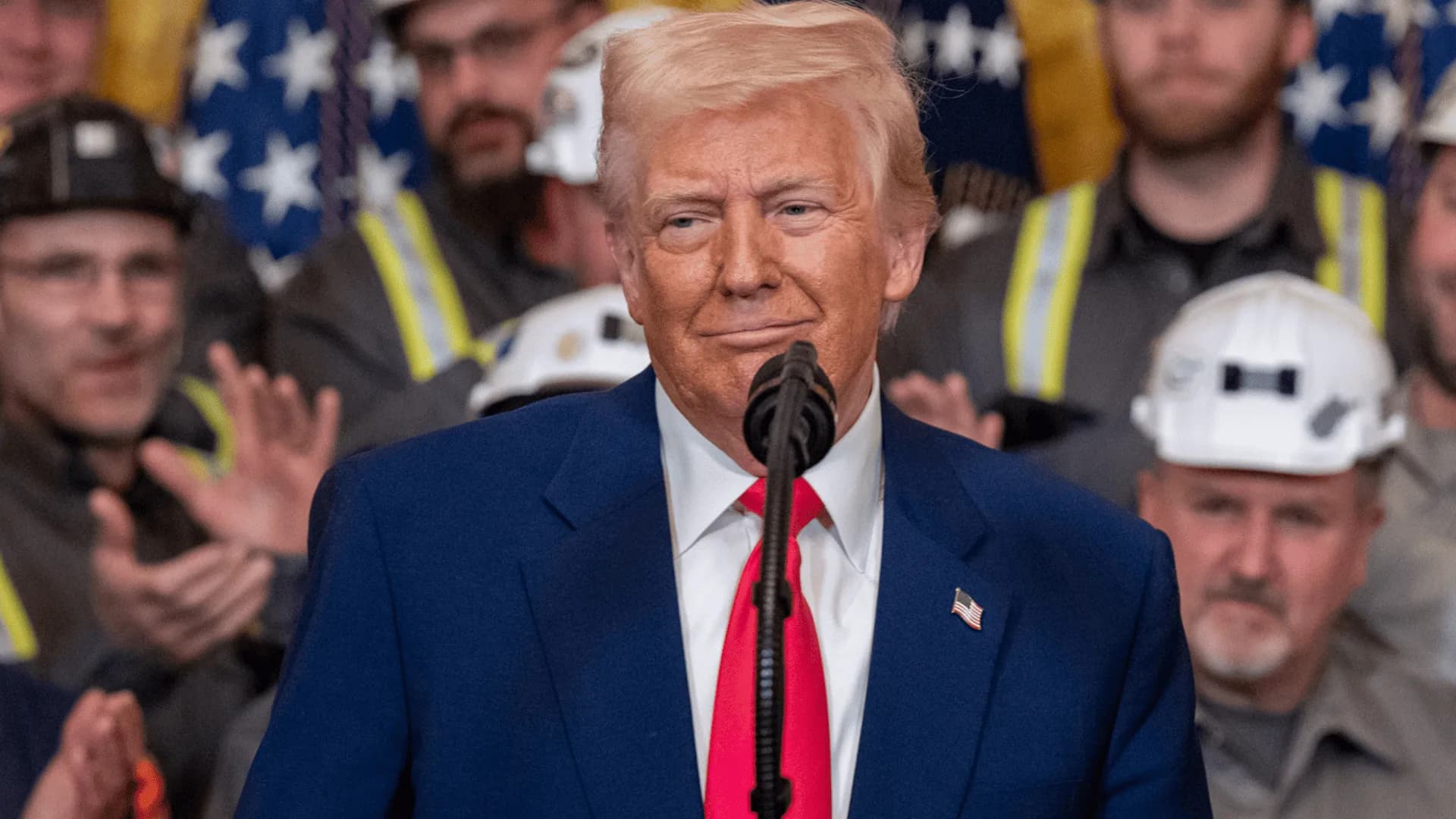
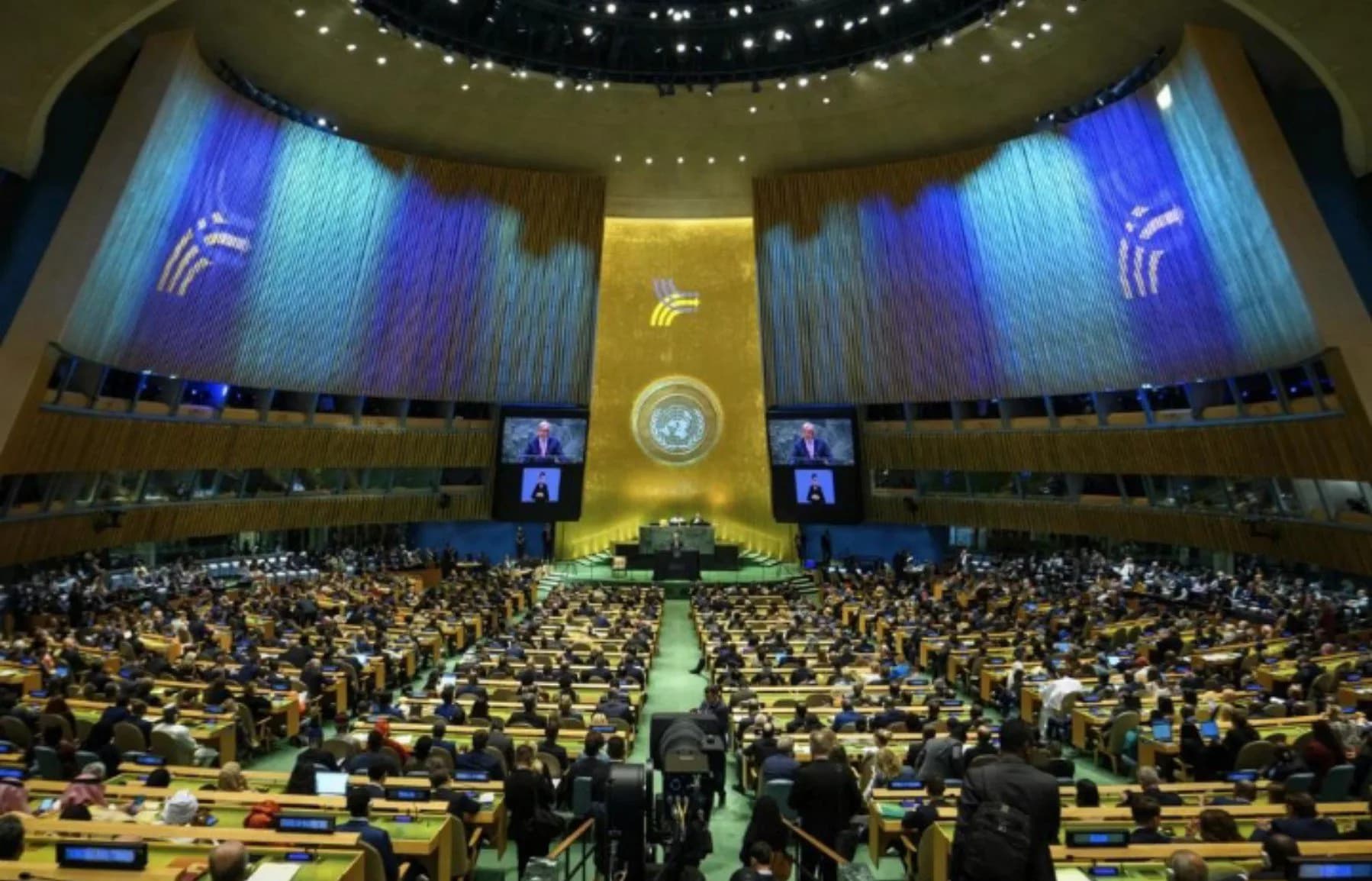
The proposal came as US President Donald Trump and Iranian President Masoud Pezeshkian arrived in New York for the United Nations General Assembly, creating a fresh opening for diplomacy amid months of conflict.
Iranian officials said Tehran had already sent its latest proposal to Washington through mediators on September 16.
There are no plans for a direct meeting between Trump and Pezeshkian, but Iran’s delegation in New York has been given authority to pursue negotiations.
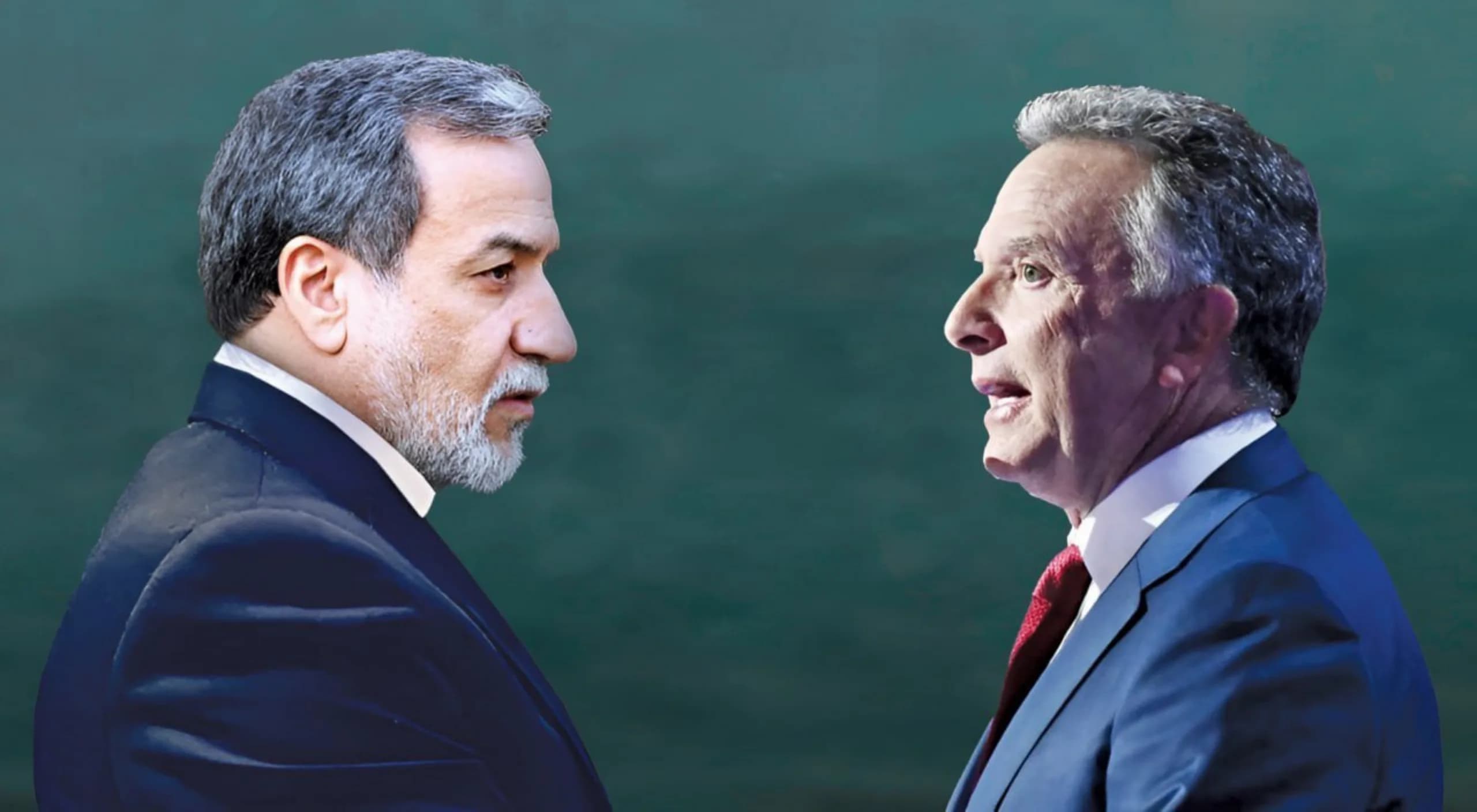
I met with Iranian Foreign Minister Araghchi on the sidelines of the UN General Assembly.
— Kaja Kallas (@kajakallas) September 22, 2026
We addressed diplomatic prospects for ending the US-Iran war and fully re-opening the Strait of Hormuz. There were no tolls or fees for passage before the war, and there should be none… pic.twitter.com/u5ZqUMWCDz
Also Read | From Trump TV to Truth Social: Inside the US president’s media multiverse
A small stretch of water
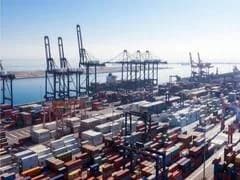
The Strait of Hormuz is at the center of the dispute because it is one of the world’s most important energy chokepoints.
The narrow waterway connects the Persian Gulf with the Gulf of Oman and provides a major route for oil and liquefied natural gas shipments from the Gulf states.
Before the war, about a fifth of global oil and gas shipments passed through the strait. Its disruption has therefore had consequences well beyond Iran and the United States, affecting Gulf producers, shipping companies, and energy markets.
The proposal from Tehran is conditional. Iran says it would restore maritime traffic after Washington takes initial steps to reduce military pressure and lift the blockade on Iranian ports.
President Trump on the Strait of Hormuz:
— World Source News (@Worldsource24) September 22, 2026
We're taking out 25-30 ships a night, sometimes during the day, but a lot of it's during the night.
The blockade is the strongest thing that anyone's ever seen. We call it a "Wall of Steel."
We now have more oil flowing through the… pic.twitter.com/8B3GKEZ2tL
A little diplomacy
Tehran is also trying to connect the Hormuz issue with a broader diplomatic process. The senior Iranian official said the US must formally show that it wants to resolve the dispute through diplomacy and agree on a timetable for negotiations.
“The UN General Assembly is a golden opportunity for the US to return to diplomacy,” the official said.
Washington, meanwhile, has signalled that dialogue remains possible, though its position on Iran’s nuclear program remains central.
Secretary of State Marco Rubio said the US was open to speaking with Iranian representatives, particularly if discussions could lead to a positive outcome. Trump separately said the two sides had been communicating and that Washington would not accept Iran obtaining a nuclear weapon.
BREAKING:
— ᴛʀᴀᴄᴇʀ (@DeFiTracer) September 22, 2026
🇺🇸🇮🇷 Iran has just announced its conditions to reopen the Strait of Hormuz:
– Immediate lifting of the naval blockade
– Release of all frozen Iranian assets
– An end to the war on all fronts
Previously, President Trump said the US and Iran had a meeting today… pic.twitter.com/rTGGGoHWxB
Plenty of caution
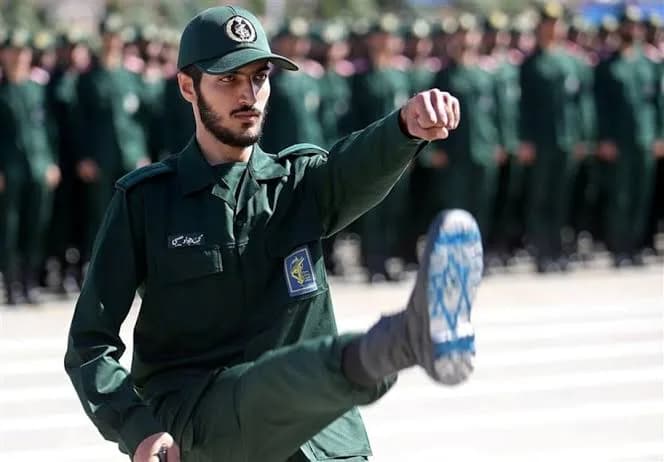
The difficulty is that both sides are still maintaining hard positions. Iran’s parliament speaker Mohammad Baqer Qalibaf said Tehran would not surrender, while Iranian military officials have warned of a stronger response if the US launches fresh attacks.
At the same time, Gulf states are pressing for the restoration of shipping through Hormuz while managing their own security concerns.
A Qatari proposal for a regional security framework involving Iran and the Arab Gulf states was also under discussion.
The key question is whether the conditional offer on Hormuz can become the starting point for wider negotiations, or whether military pressure and conflicting demands will keep diplomacy stalled.
Also Read | Iran Code 100 alert: What the reported military escalation means