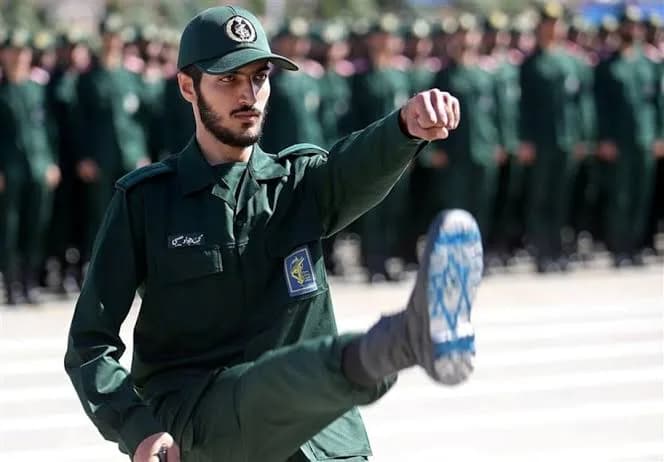














Iran has activated what is being described as its highest military alert, known as “Code 100.” It has added another layer of uncertainty to an already tense situation in West Asia. The reported move comes after Houthi attacks targeting Saudi Arabia, fresh warnings from Tehran about possible US military action and increased American military activity in the region. However, the specific “Code 100” designation has not been publicly confirmed by Iranian state media, making it important to distinguish the reported alert from independently verified developments.
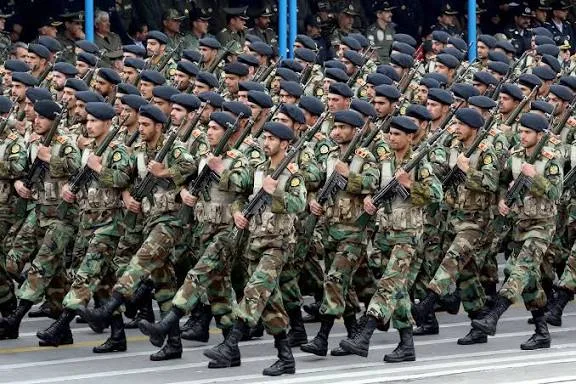
Iran Code 100 report emerges amid rising military tensions
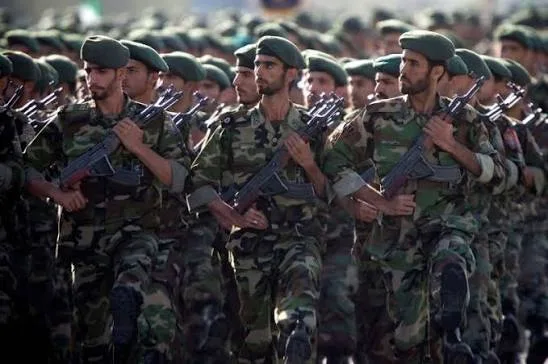
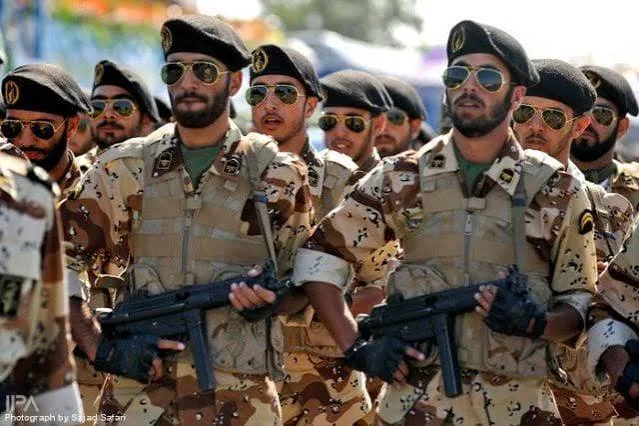
According to reports citing Iranian news agency Fars and other sources, Iran placed its armed forces on Code 100 on Thursday night. The reported alert covers the Islamic Revolutionary Guard Corps, the regular Army and security forces and is described as the country’s highest level of military preparedness.
If the reported alert is accurate, it would indicate a major increase in military readiness at a time when Tehran is preparing for the possibility of further US action. Iran has also reportedly moved substantial Army units towards border areas, including the Makran coast along the Gulf of Oman, according to Fars. The reports do not establish that a US ground operation is imminent.
The significance of the Iran Code 100 report therefore lies less in the name of the alert and more in the wider pattern of military preparations and warnings emerging from the region.
Also Read | Why India wants a permanent seat at the UN Security Council
Houthi attack raises pressure on Iran and Gulf states
The latest escalation follows attacks by Iran-aligned Houthi forces in Yemen targeting Saudi Arabia. Reuters reported that the attacks intensified an already volatile confrontation involving Iran, the United States, and regional powers. Tehran’s military has warned that any new attack could trigger severe retaliation against US forces and interests in the region.
The United States has also issued security warnings for the region, reflecting concerns over possible attacks, flight disruptions and airspace restrictions. Reports of additional US military movements have further contributed to speculation about the possibility of renewed military action.
For Gulf states, any escalation involving Iran, the US, or Iran-aligned groups could create risks for airports, shipping routes, and energy infrastructure. The Strait of Hormuz is particularly important because of its role in global energy transportation.
Also Read | Wars, Trump and Guterres’ exit set the tone for UN General Assembly 2026
Has Iran officially confirmed Code 100?
This remains the central uncertainty surrounding the Iran Code 100 story. Iranian official media have not publicly confirmed the specific designation, even though reports citing Fars and other sources have described the country’s forces as being placed on the highest alert.
That distinction matters because military alert designations can carry specific operational meanings that cannot be independently established from social media posts or open-source reports alone.
What is clearer is that military tensions have intensified. Reuters reported that Iran has warned of severe retaliation against any new US attack, while the US has increased security warnings amid the deteriorating regional situation.
The reported Iran Code 100 activation should therefore be treated as an unconfirmed indication of heightened readiness rather than proof that Tehran has authorised an immediate military offensive. The coming days will depend on whether diplomatic efforts prevent further escalation or whether additional attacks and military deployments push the region towards a broader confrontation.
FAQs
What is Iran Code 100?
Iran Code 100 has been described in current reports as the highest level of military alert, but its specific designation and operational meaning have not been publicly confirmed by Iranian state authorities.
Has Iran officially confirmed Code 100?
No. Reports have cited Iranian sources and open-source monitoring, but Iranian state media have not publicly confirmed the specific Code 100 designation.