




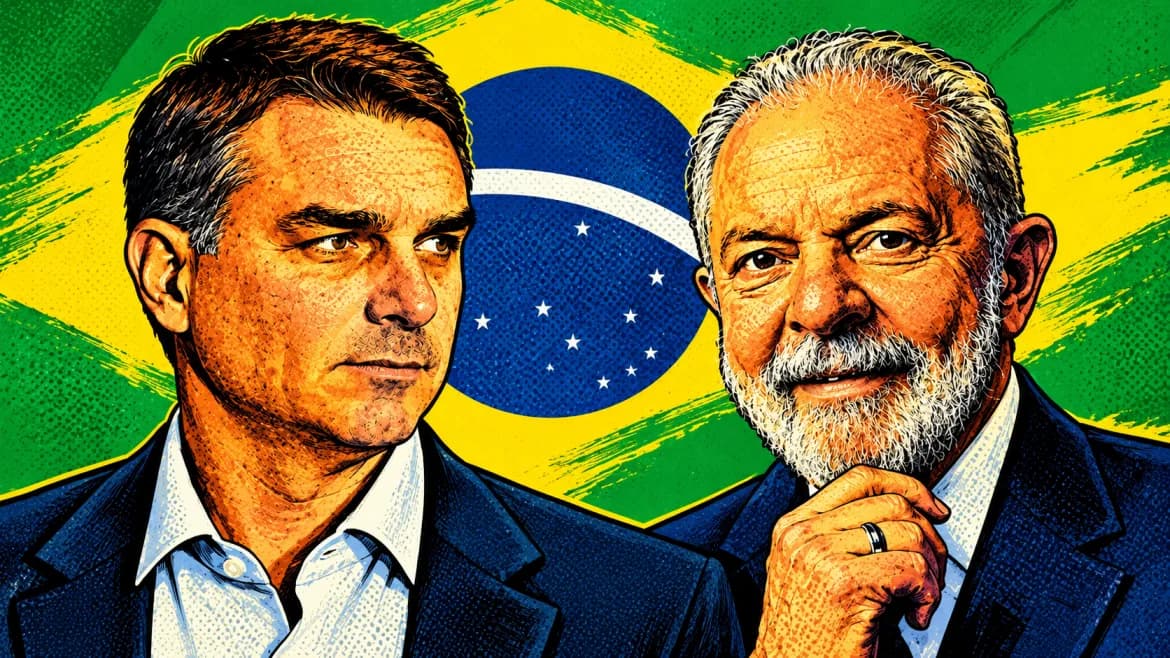
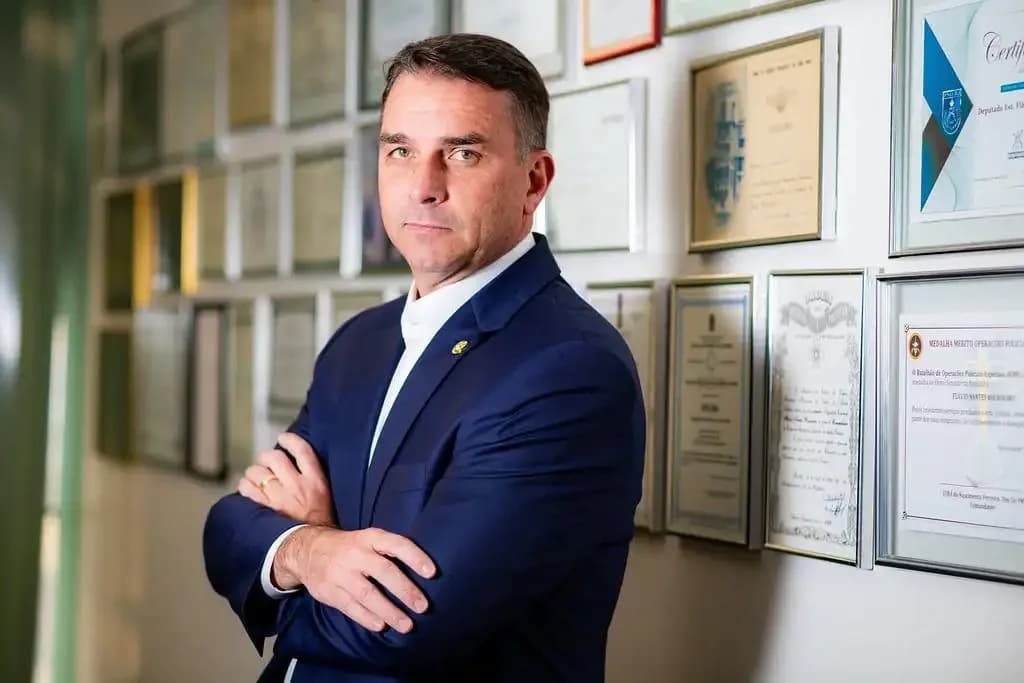
Brazil is heading towards a closely contested presidential runoff, with incumbent Luiz Inácio Lula da Silva facing a serious challenge from conservative Senator Flávio Bolsonaro.
The October 25 vote will determine whether Lula secures another term or former president Jair Bolsonaro’s political movement returns to power through his son.
Brazilian presidential election 🟦Bolsonaro 47.13% (right-wing) 🟥Lula 45.04% (left-wing) [incumbent] 99.5% reporting (50% to avoid runoff) Results from The Guardian Link to results: https://t.co/yoBW9QACSq https://t.co/GgeRLjnk70
— Politics & Poll Tracker 📡 (@PollTracker2024) October 5, 2026
The first round on October 4 delivered an early advantage to Flávio, who secured 47% of the vote against Lula’s 45%. Neither candidate crossed the majority threshold needed to avoid a runoff.
The result has intensified an already polarised contest, with crime, economic concerns and Brazil’s international relations emerging as key issues.
Also Read | What is the International Criminal Court?
Why is Lula facing a difficult election?
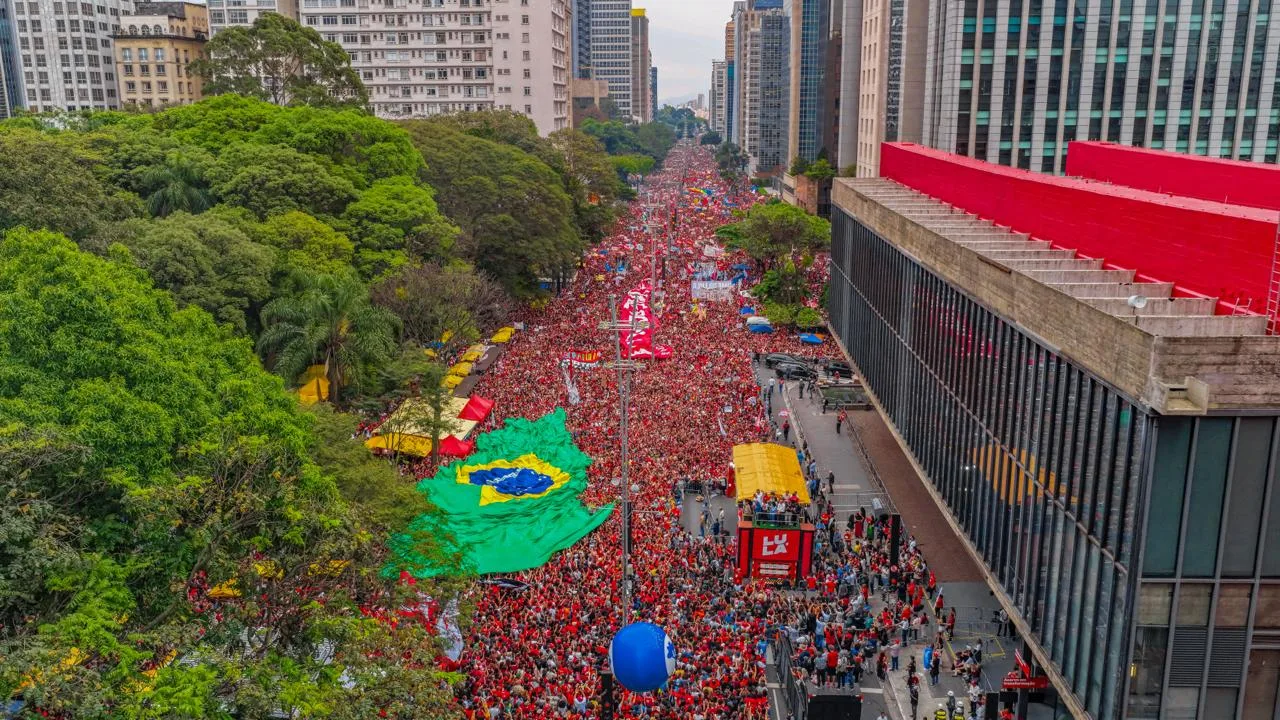
Lula is confronting dissatisfaction among sections of the electorate, including lower-middle-class voters who might once have been expected to support his Workers’ Party.
Lula performed better among the poorest voters than among the lower middle class.
This group includes people living on the outskirts of major cities, evangelical voters and workers in the gig economy. Many depend on flexible jobs, including app-based driving and motorcycle deliveries.
Some are concerned that tighter labour regulations could reduce their earnings or limit their independence.
Flávio Bolsonaro has capitalised on this frustration. His campaign has presented him as a candidate for change, business growth and tougher action against crime.
The message has gained traction even though analysts have questioned how specific his proposals are.
The first-round result also points to the continued strength of the conservative movement associated with his father.
Obrigado a todos vocês que saíram de casa no domingo pedindo por mudança e foram votar. Nossa batalha ainda não terminou e o Brasil precisa de cada um de vocês também no segundo turno. Em três semanas, vamos libertar o Brasil. O Brasil vai vencer! Vote 2️⃣2️⃣🇧🇷 https://t.co/U6RI7lzDkm
— Flávio Bolsonaro (@FlavioBolsonaro) October 6, 2026
Crime and jobs are central to the contest.
Public safety has become one of the campaign’s most important battlegrounds. Bolsonaro has promised greater federal funding for municipalities to help tackle crime.
On October 11, he met São Paulo Governor Tarcísio de Freitas and sought the backing of mayors and city councillors.
Lula, meanwhile, speaking ahead of a rally on São Paulo’s Avenida Paulista, said, “For the working people, for the community, for the territory, protection; for criminals, prison.”
The statement reflected an effort to challenge the right’s advantage on law-and-order messaging.
Employment conditions are another major point of disagreement. Lula is making improved working conditions a key part of his campaign. A proposal under consideration in Brazil’s Congress would reduce the maximum standard working week from 44 hours to 40 hours and increase weekly paid days off from one to two.
Flávio has criticised the proposal as opportunistic.
The economy and US relations add to the stakes
The election could also reshape Brazil’s relationship with Washington. The next president will need to manage trade ties with both the United States and China, Brazil’s leading trading partners.
Tariffs, industrial development and access to critical minerals and rare earths are important parts of the debate for Brazilians.
Lula has emphasised national sovereignty, multilateral cooperation and closer relations with the Global South, including the BRICS grouping.
Flávio is expected to pursue closer ties with US President Donald Trump, whose political outlook is more closely aligned with the Bolsonaro family. That approach could improve cooperation with Washington, but it could also raise concerns about Brazil’s control over its strategic resources.
The election has also spilt into the digital arena. Lula’s campaign accused Meta, the parent company of Facebook and Instagram, of restricting the reach of his content.
Brazil’s Superior Electoral Court gave the company 48 hours to explain whether it had limited the distribution of Lula’s posts.
Meta acknowledged technical problems but rejected the allegation of selective treatment, saying it complied with electoral rules and was committed to equal treatment across its platforms.
Also Read | Tesla changes FSD name in Europe, but is it really self-driving?
The last word belongs to the voters
The final stretch will test how effectively both candidates can turn their political support into votes.
Flávio enters the runoff with a first-round lead, while Lula is seeking to strengthen his appeal on jobs, public safety and social policy.
On October 25, Brazilian voters will decide which vision should guide the country into the future.