













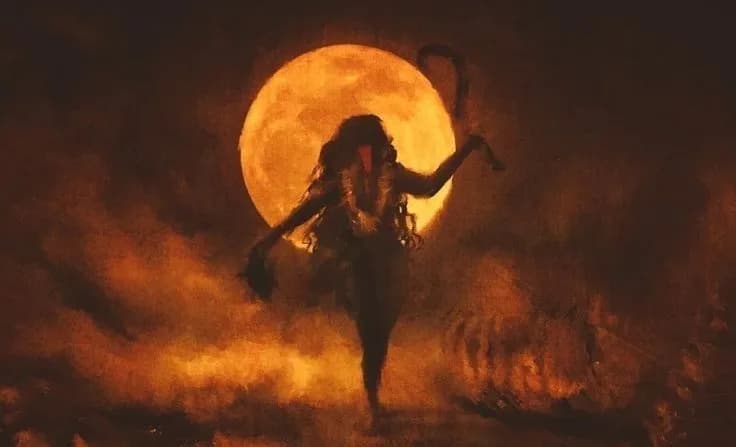
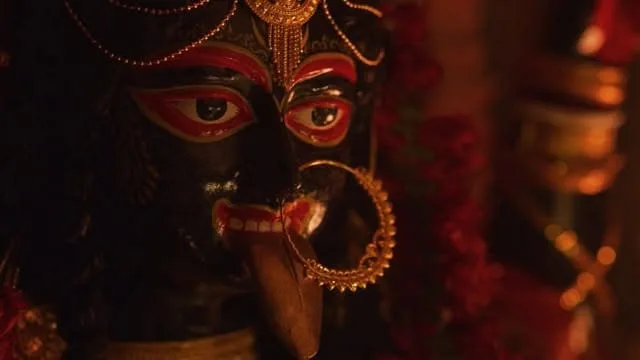
Sharad Navratri enters its seventh day on October 17, with devotees worshipping Maa Kalaratri, the seventh form of Goddess Durga. Unlike the gentler forms of the goddess, Maa Kalaratri is depicted in a fierce form, representing the strength required to confront darkness, fear and difficult truths.
Her appearance may seem intimidating, but her symbolism is closely associated with protection, courage and the destruction of negativity. For spiritual seekers, the seventh day can also be seen as an opportunity to reflect on the things they fear losing and the identities they may have built around their careers, relationships and social roles.
According to Vedic astrologer Poonam Dutta of BV Astro, Maa Kalaratri’s significance goes beyond confronting everyday fears. She connects the day with deep-rooted fears, endings and the difficult process of letting go of identities that no longer fit.
Maa Kalaratri and the courage to face fear
Maa Kalaratri is the seventh form of Durga worshipped during Navratri. Her fierce appearance is traditionally associated with the power to overcome fear and confront darkness.
The spiritual significance of the goddess can also be viewed through the changes people experience in their own lives. A person’s sense of identity can become closely tied to a job title, relationship, appearance or social reputation. When one of these things changes, it can leave people questioning who they are without it.
The seventh day of Navratri, according to Dutta, offers an opportunity to sit with that uncertainty rather than immediately trying to replace what has been lost.
The fears people carry may not always be visible. They can include growing older, losing someone, facing an uncertain future or having to rebuild life after a major setback. Retirement, a career change or the end of a long-term relationship can all force a person to reconsider an identity that once seemed permanent.
Dutta also connects this stage with Saturn, which she interprets as a symbol of reality, delays, responsibility and learning through change.
What Maa Kalaratri’s message of letting go means
The idea of letting go does not necessarily mean making a sudden or dramatic decision. Instead, the seventh day can be used for quiet reflection and understanding what lies behind one’s fears.
Also Read | How Kolkata’s Durga Puja became a celebration of public history
Some useful questions for reflection are: What am I most afraid of losing? Why does this particular part of my life define me so strongly? And if my circumstances changed, which values would still remain?
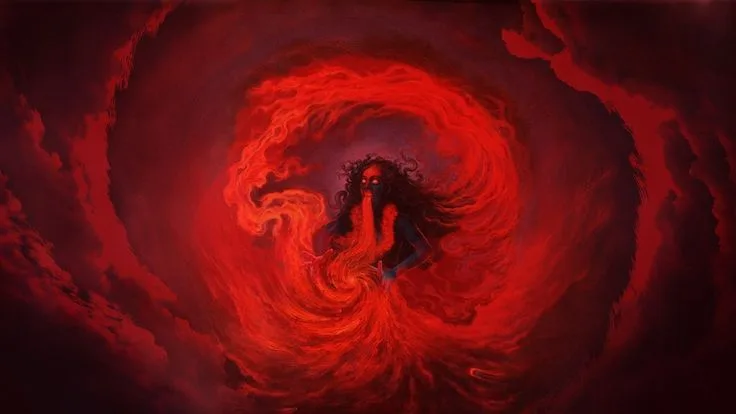
These questions can help shift the focus from what is ending to what remains.
Maa Kalaratri is also associated, in some spiritual traditions, with ancestral fears and patterns passed down through families. Reflecting on recurring family struggles or beliefs can therefore become another part of the day’s spiritual practice.
Also Read | Why Goddess Lakshmi entered the ocean after Durvasa’s curse
How to observe Navratri Day 7
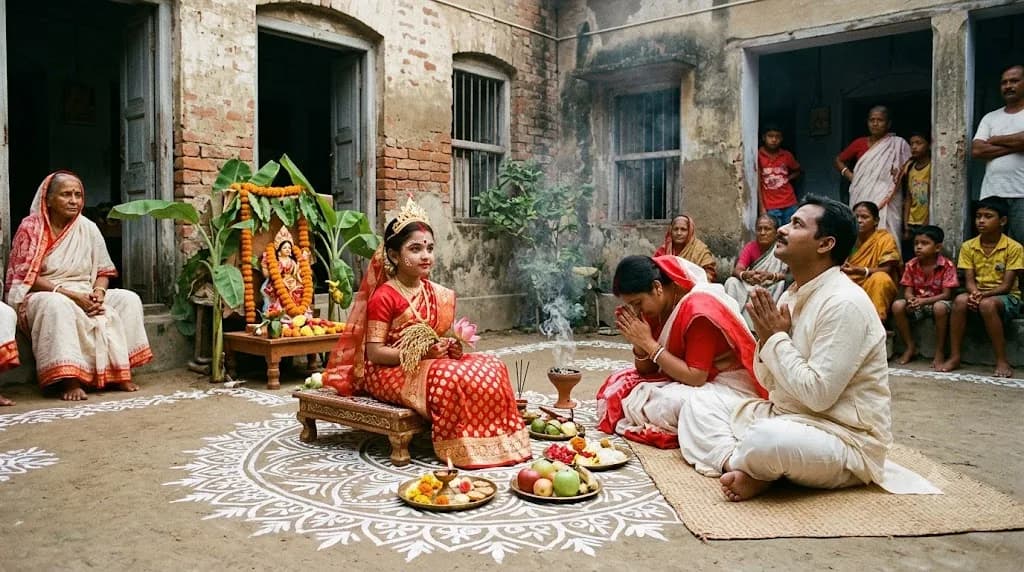
Devotees can mark the seventh day according to their own family traditions and beliefs. Prayer, meditation and quiet reflection are among the practices associated with spiritual observance.
For those who prefer a more personal form of reflection, writing down a fear that has been avoided and identifying one small step towards facing it can also be a way to observe the day.
The central message associated with Maa Kalaratri is not simply about darkness. Her fierce form is traditionally understood as a reminder that confronting difficult phases can also create space for change. An ending, therefore, does not always have to mean defeat. It can also mark the beginning of a different chapter.
As Navratri moves towards its final days, Maa Kalaratri’s worship brings attention to a part of spiritual life that can be difficult to embrace: accepting that some things have to end before something new can begin.