














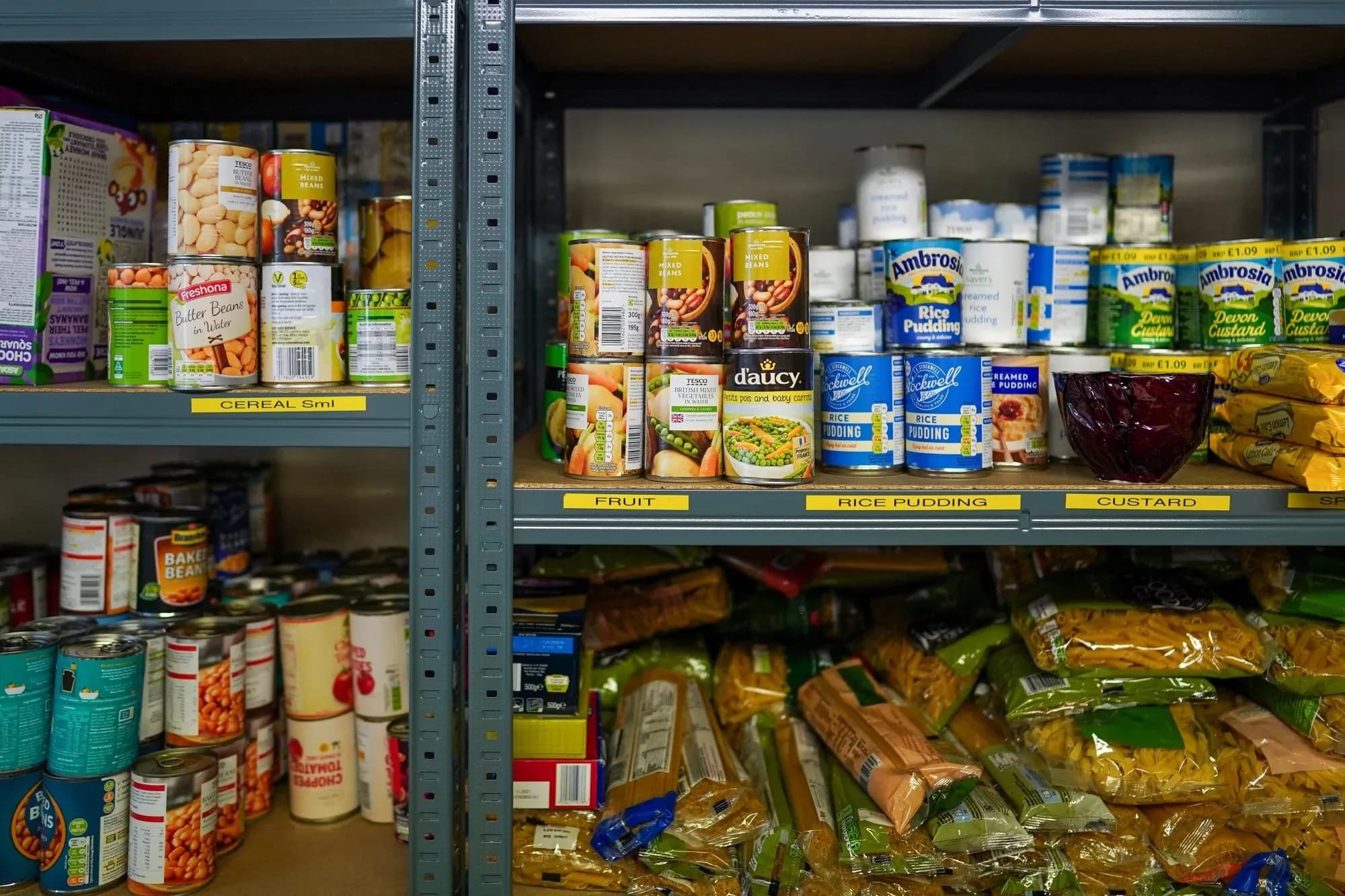
The UK government has urged households to keep enough food, water, and other essentials at home to manage for three days during an emergency.
The advice is part of a new national campaign called ‘Be Ready,’ launched on October 22.
The UK aims to help people cope when everyday services are disrupted by severe weather, cyber incidents, or other emergencies. The government says the goal is simple. Prepare in advance rather than struggle to find essential supplies after a crisis begins.
🚨UK Defence Secretary Wes Streeting has launched the government’s new “Be Ready” campaign, urging households to stockpile supplies for three days. Advice includes: 3 litres of water per person per day Non-perishable food First aid kit, torch, radio, cash & blankets This is for possible disruptions from severe weather, cyber attacks, or supply chain issues (including from hostile actors). Streeting says people should be “alert but not alarmed” — no specific imminent threat is being warned about. #BeReady #UK
— Meenu ☠️ (@itxmeenu_) October 23, 2026
Also Read | A Ukrainian soldier amputated his own foot to survive. Then came a dramatic drone rescue
Emergency supplies checklist
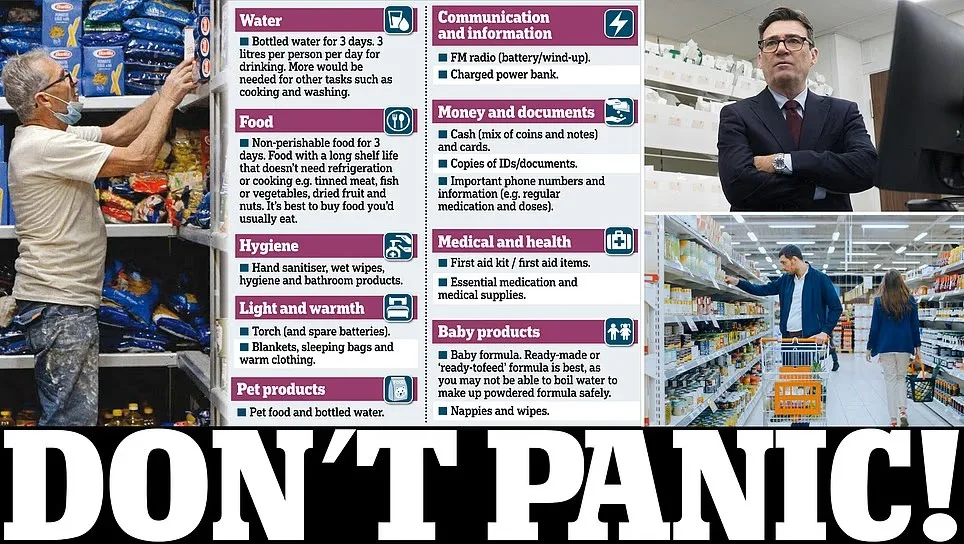
The guidance recommends keeping three days’ worth of non-perishable food and bottled water at home. The suggested water supply is three liters per person per day for drinking. Households may need additional water for cooking and washing.
The checklist goes beyond food and water. It includes a torch with spare batteries, blankets, warm clothing, a battery-powered or wind-up FM radio, a charged power bank, and some cash.
A first-aid kit, essential medicines, and copies of important documents are also recommended.
Families should consider their own needs while preparing. Homes with babies may need formula and nappies. Households with pets should account for their food and water requirements, too.
The advice also encourages people to keep important phone numbers and medical information written down. These could prove useful if phones or internet services stop working.
Why readiness is back on the agenda?
The campaign comes amid concerns about extreme weather and the disruption it can cause. The government pointed to storms during the previous winter and wildfires during the summer as examples of emergencies that can affect essential services.
A severe event can leave households without electricity, water, phone signals, or internet access.
The government also wants people to be better prepared for digital disruptions. This week’s PHP software security incident has added urgency to that message.
PHP is a programming language used by websites and online services. On October 23, security flaws disclosed earlier in the week prompted organizations worldwide to secure their systems.
Some services were taken offline, while millions of hacking attempts were reported.
Modern life depends heavily on digital infrastructure. When systems fail, the effects can extend beyond computers and websites. People may struggle to access online services, make electronic payments, or obtain timely information.
Keeping basic supplies at home offers some protection against the immediate effects of such interruptions.
Does the UK expect an imminent attack?
Not necessarily. The campaign sets out general precautions for a range of emergencies. Its launch does not, by itself, indicate that a specific attack or disaster is imminent.
However, ministers have raised concerns about the wider security environment. Defense Secretary Wes Streeting has pointed to risks from hostile states, organized criminals, and climate change. He has also warned about threats to everyday infrastructure.
The wider concern is that the country must be able to withstand disruptions, whether they come from extreme weather or malicious activity.
Security Minister Dan Jarvis said, “Those who can follow this advice should follow this advice.”
He added that simple preparations could reduce pressure on emergency services and help them prioritize people who need greater support.
Also Read | What are heat storms? Why global heatwaves are becoming bigger and longer
No need to fill the pantry in one spree
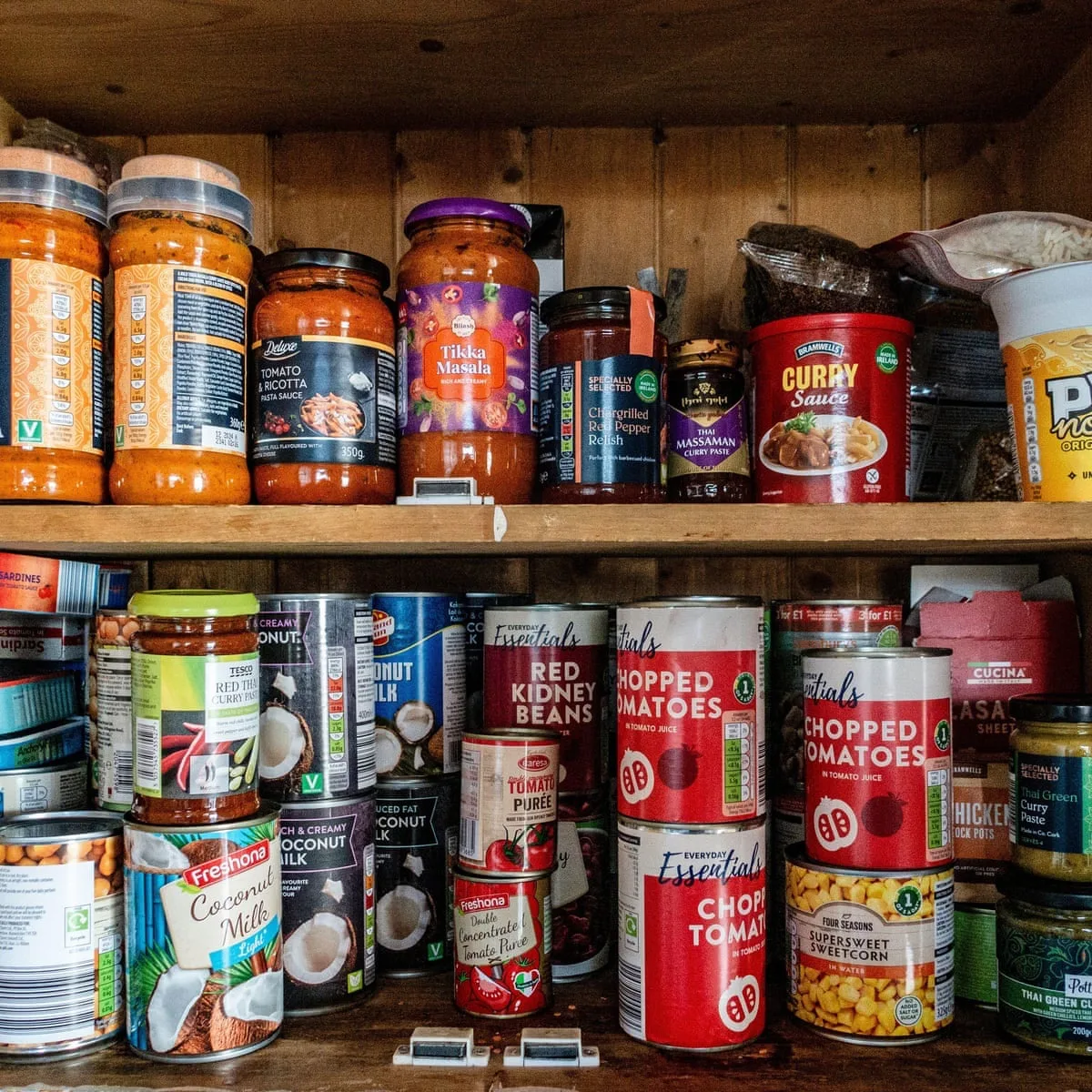
The emphasis is on practical preparation, not panic buying. The official campaign advises households to check what they already have, identify what is missing, and build their supplies gradually during regular shopping trips. It also recommends checking expiry dates every six months.
The UK is not alone in promoting this approach. The government says similar three-day preparedness guidance is used in France, Ireland and the Netherlands.
The ‘Be Ready’ campaign will develop over three years, with advice shared through government channels, social media, and radio.
The message is that emergency planning need not involve expensive equipment or major changes to daily life.
A modest supply of essentials, a way to receive information, and a plan to contact family members can help households manage while services recover and emergency teams assist those most in need.