

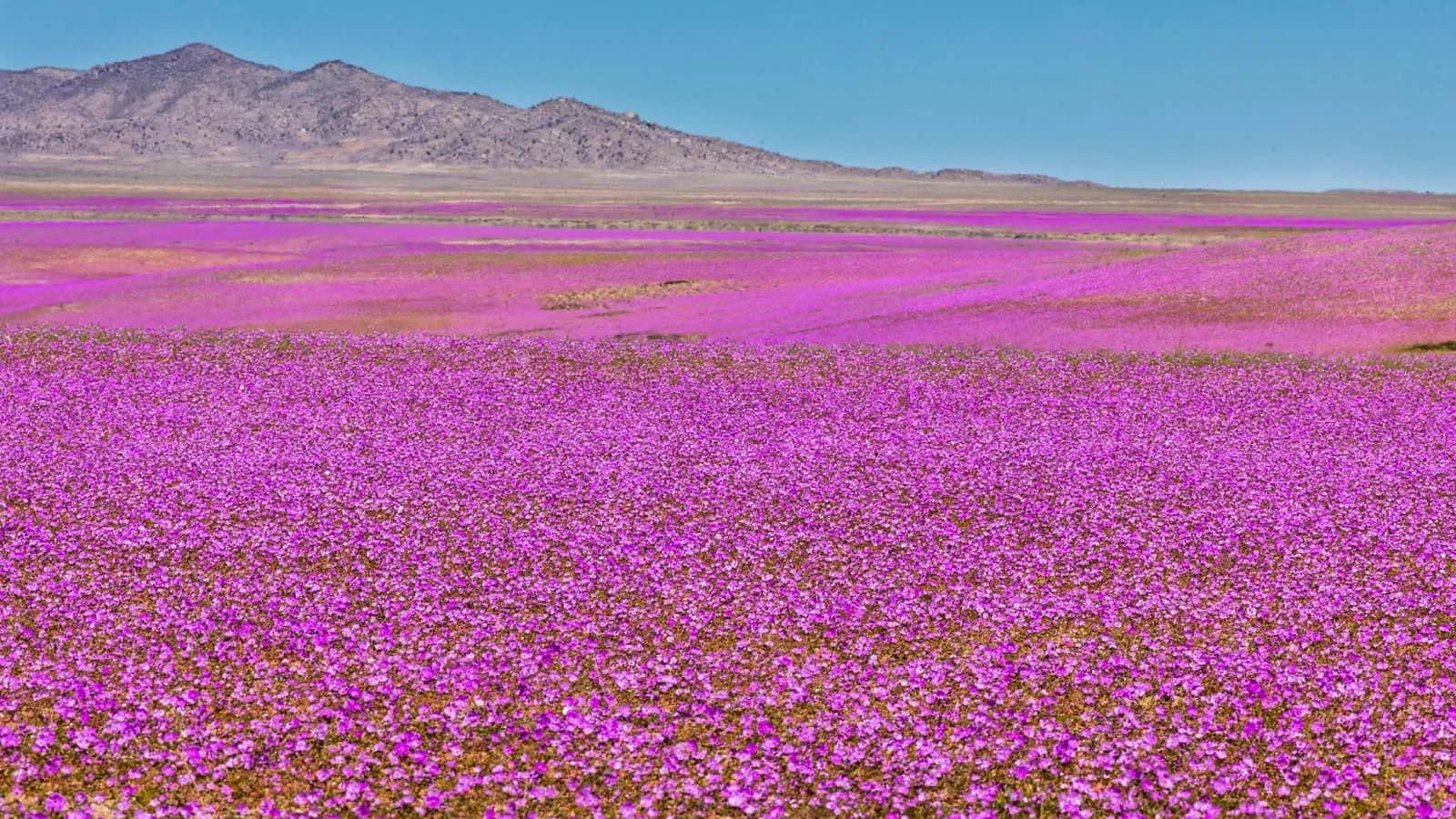














For much of the year, Chile’s Atacama Desert is defined by cracked ground, bare slopes, and an almost complete absence of rain. This month, parts of that landscape look very different.
Vast patches of violet and white flowers have appeared after unusually heavy rainfall linked to El Niño, reviving a natural phenomenon known as the “Desierto Florido,” or flowering desert.
The bloom is already visible in parts of the Atacama region, while Chilean authorities expect the display to reach its peak in October.
Did you know the world’s driest desert can bloom? 🌸
— MarcaChile.cl (@thisisChile) September 23, 2026
🌵 When rain reaches northern Chile, dormant seeds in the Atacama Desert come to life, transforming the landscape into a field of flowers.
🌼 A rare phenomenon worth seeing. Would you? 👇
#MarcaChile pic.twitter.com/4aw9HrUHhG
Also Read | Trump’s Board of Peace plans $2.45 billion Gaza recovery plan
The secret beneath the sand
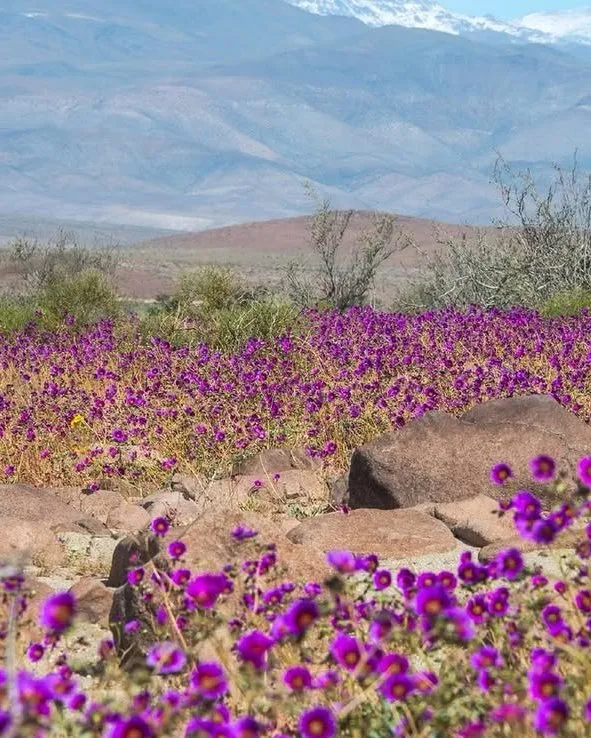
The reason lies beneath the desert floor. Seeds and bulbs from roughly 200 plant species can remain dormant for long periods, waiting for enough moisture to return.
When significant rain finally reaches the soil, some of these plants germinate almost at once.
This creates the sudden carpets of color that have made the Atacama bloom famous. The Chilean government says more than 200 plant species may emerge during the 2026 season, along with an ecosystem of insects and vertebrates that becomes active around the flowering plants.
🌸🌧️ El desierto más árido del mundo se vistió de colores.
— Excélsior (@Excelsior) September 23, 2026
Tras las lluvias de El Niño, Atacama en Chile, despertó con un manto floral único: cerca de 200 especies, como suspiros blancos y patas de guanaco, tiñen de violeta el paisaje. #ExcélsiorDigital #Atacama #Chile pic.twitter.com/UJKTlJ4niU
Quite a lot of rain for a desert
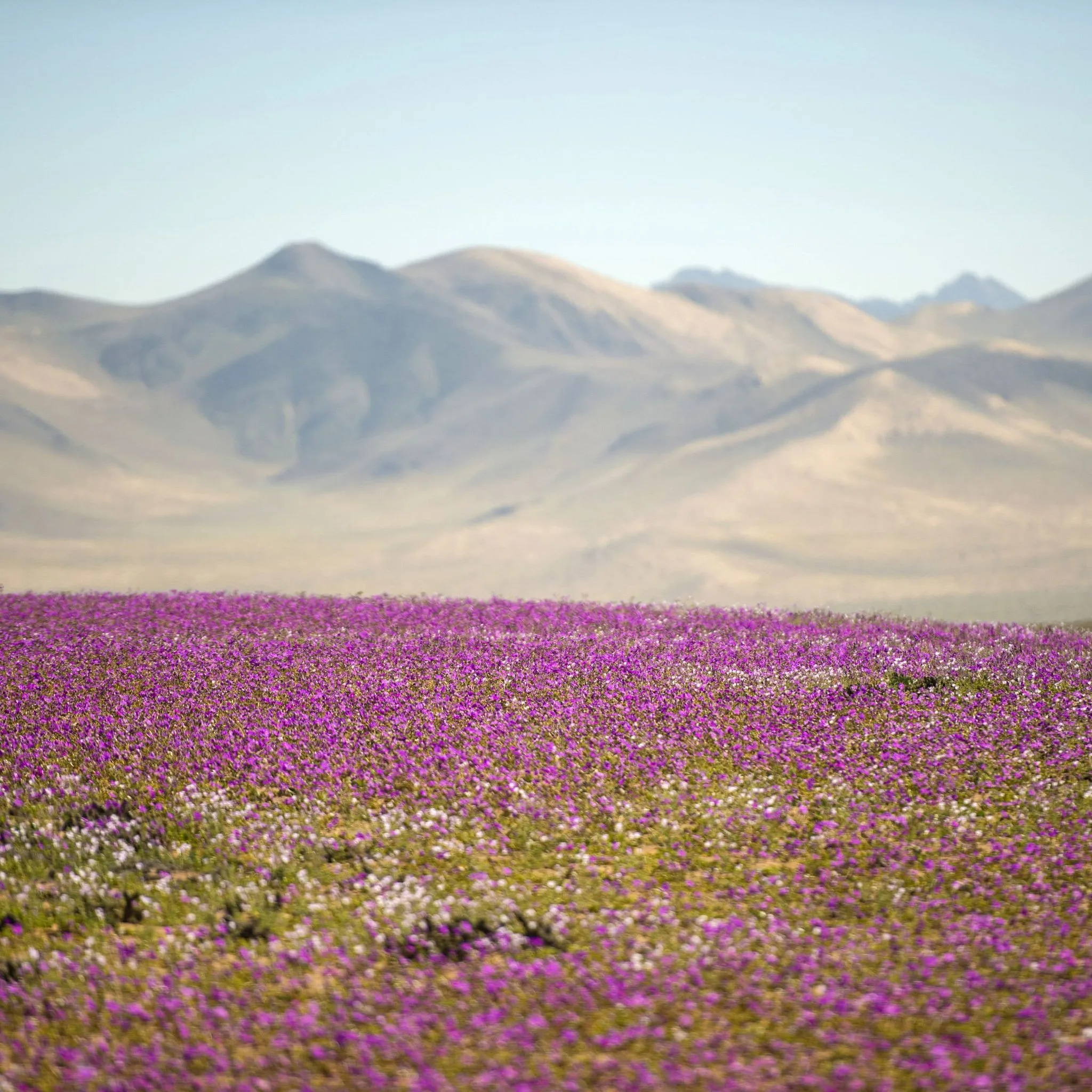
This year’s trigger has been the extraordinary amount of water reaching northern Chile. In some parts of the region, seasonal rainfall has exceeded 180 millimeters.
César Pizarro, head of biodiversity in Atacama at Chile’s National Forestry Corporation (CONAF), told AFP that such levels “had never been recorded before.”
The rain also penetrated deeper into the sand than usual, allowing more vegetation to emerge.
According to CONAF forecasts cited by Chile’s tourism agency Sernatur, the phenomenon could manifest across an area of up to 15,000 square kilometers, although that is a projection for the potential extent of the phenomenon rather than a claim that the entire area will be covered with flowers at the same time.
Extraordinary scene in the Atacama desert of South America.
— Iain Cameron (@theiaincameron) September 23, 2026
Historically one of the world's driest locations has been completely transformed by heavy El Nino rain, leading to the proliferation of stunning flowers from long-dormant seeds. pic.twitter.com/WN5Mw3SMtB
El Niño conundrum
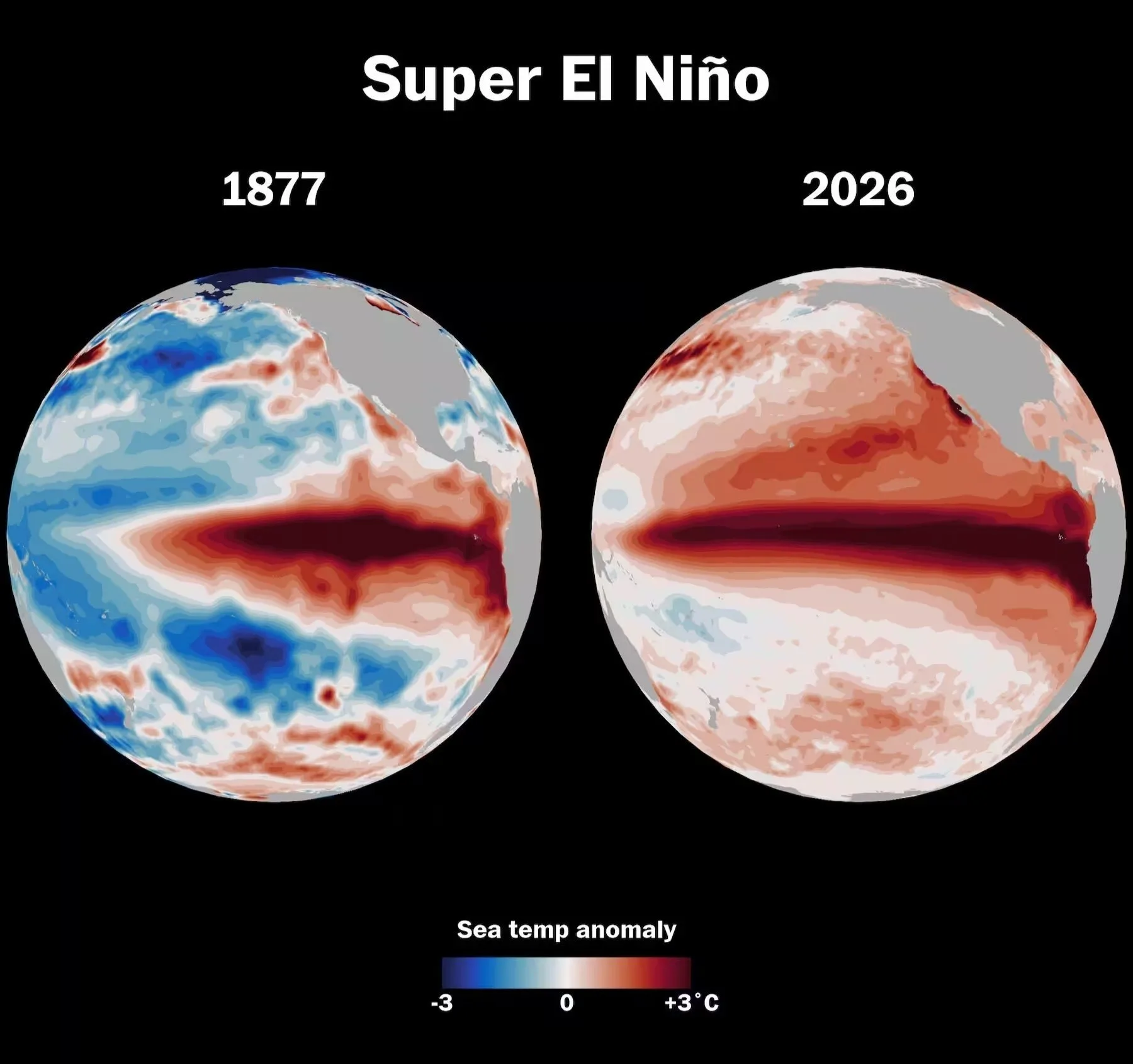
This phenomenon raises a question. Why did El Niño bring so much rain to a desert famous for its extreme dryness?
El Niño is a climate pattern associated with unusually warm surface waters in the central and eastern equatorial Pacific. That warming can alter atmospheric circulation, shifting rainfall and temperature patterns across distant regions.
The World Meteorological Organization said in September that the 2026 El Niño was strengthening and was expected to become a very strong event. NOAA’s Climate Prediction Center also put the chance of a very strong event above 90% for the Northern Hemisphere autumn and winter.
The driest desert on earth is now in full bloom 🤯
— Linus ✦ Ekenstam (@LinusEkenstam) September 24, 2026
Due to heavy rains in northern Chile caused by the super El Niño the Atacama desert is now putting people in awe.
millions and millions of seeds that laid dormant have sprung to life. Turning the dessert purple & white pic.twitter.com/zT6JhK2cP3
Beauty and the beast
The striking bloom, however, is only one side of this unusual weather.
The heavy July rains also caused deadly disruption elsewhere in Chile, with at least 13 people killed and around 4,000 homes destroyed or badly damaged.
In Atacama, the same unusual burst of moisture has instead activated dormant plant life and drawn visitors hoping to see the short-lived spectacle.
CONAF officials have urged tourists to remain on established paths, avoid stepping on plants, and not remove flowers or seeds.
This spectacular flowering relies on a combination of factors beyond just rainfall. As Gabriela López of CONAF put it, the flowering desert depends not just on rainfall but also on soil absorption, temperature, and solar exposure.
Also Read | Jaishankar meets Rubio in New York, raising India’s concerns over Russia sanctions