













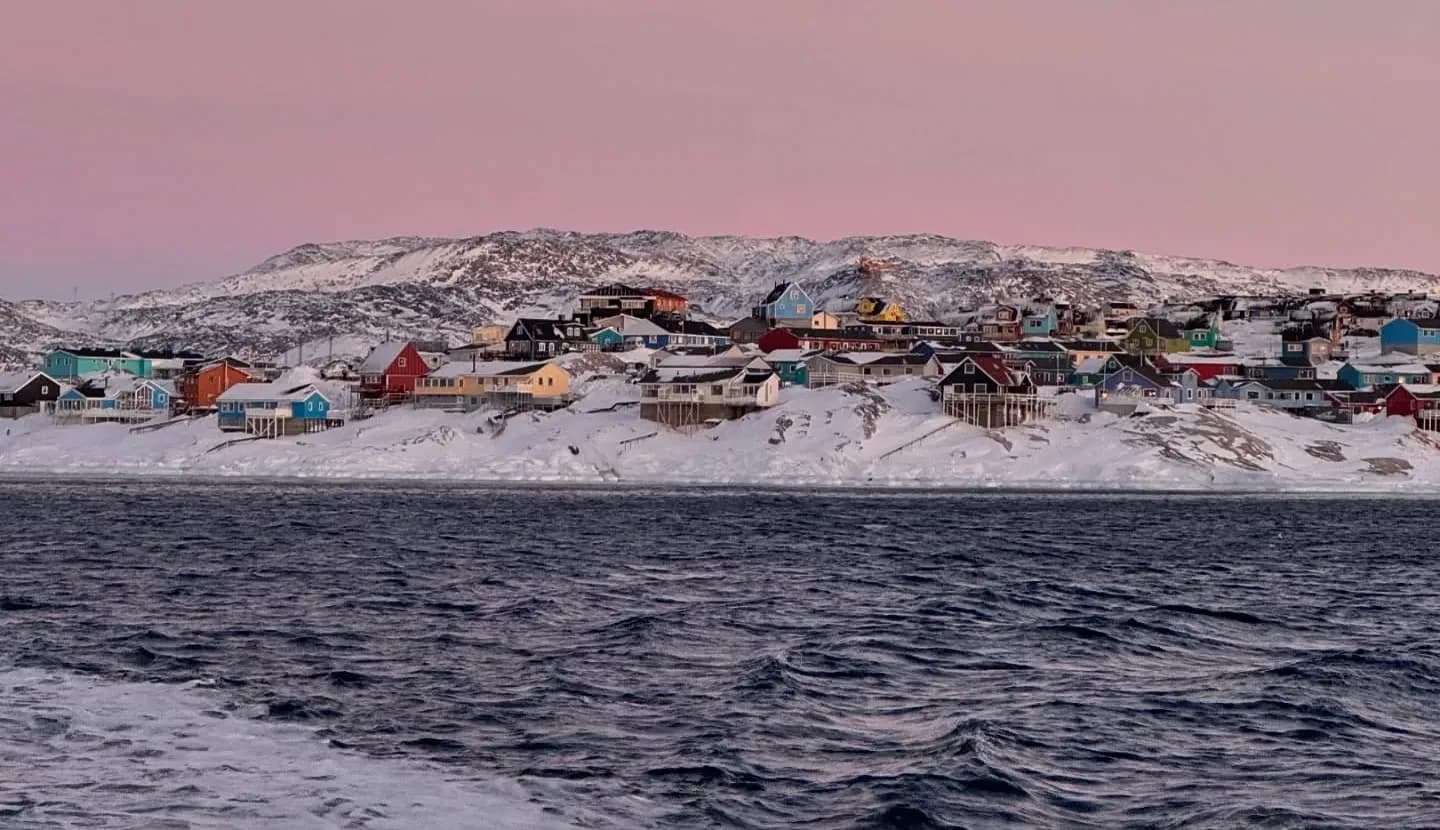
Greenland is the kind of destination that challenges the way people imagine travel. Vast stretches of ice, isolated settlements, colourful houses along the coast and dramatic Arctic landscapes make the world’s largest island very different from conventional holiday destinations.
Despite its enormous size, Greenland has a population of around 56,000, according to Secret Atlas, the source cited in the original report. Much of its landscape is covered by ice, while its settlements remain separated by rugged terrain and waterways. Travelling between towns is therefore less about road trips and more about boats, aircraft and careful planning.
Also Read | National Geographic’s 2027 travel list is out: Here’s 25 places worth exploring
For travellers looking to step away from crowded cities and familiar tourist routes, Greenland offers a glimpse into life in one of the world’s most remote inhabited regions. Here are five facts that make the Arctic destination stand out.
How can such a vast island have so few residents?
Greenland spans an enormous area, comparable in scale to western Europe, yet its population is tiny relative to its size. The report cites a population of approximately 56,000, leaving much of the island sparsely inhabited.
One major reason is its geography. Around 80% of Greenland is covered by an ice sheet, which reaches approximately 3,500 metres in thickness at its deepest points. The icy interior leaves much of the population concentrated in settlements along the coast.
For visitors, this means expansive landscapes, relatively small communities and a travel experience shaped by the natural environment rather than dense urban development.
Why are there no roads connecting Greenland’s towns?
One of Greenland’s most unusual features is its lack of a road network linking its towns and settlements. Fjords, mountains and the enormous ice sheet make building conventional roads between communities difficult.
Instead, the sea serves as an important transport route, with boats playing a significant role in everyday life. Aircraft are also essential for reaching different parts of the island.
The original report also highlights a road of roughly 35 kilometres near Kangerlussuaq, built as a cold-weather testing track leading towards the inland ice. It is a reminder that Greenland’s limited road infrastructure is shaped by its challenging terrain.
Travellers planning a visit should therefore research connections between destinations in advance rather than assume they can drive from one town to another.
Why is the icy island called Greenland?
The name Greenland is commonly associated with Erik the Red, the Norse explorer who, according to historical accounts, promoted the territory to attract settlers in the late 10th century.
Its Indigenous name is Kalaallit Nunaat, meaning the Land of the Greenlanders. The island is also home to a rich Inuit cultural heritage that continues alongside contemporary life.
Traditional Greenlandic sled dogs remain important in parts of the Arctic, particularly for winter travel. The report notes restrictions on bringing other dog breeds into certain areas to protect the sled-dog population. Rules can vary by region, so visitors should check current regulations before travelling with animals.
Greenland is also closely associated with the kayak, a watercraft developed by Indigenous Arctic peoples for navigating cold waters and hunting.
What can travellers do in Greenland?
Greenland’s appeal lies in its outdoor experiences and striking natural scenery. Visitors can explore coastal settlements, take boat trips past icebergs and discover landscapes shaped by glaciers.
One major attraction is the Sermeq Kujalleq glacier, also known as the Jakobshavn Glacier, which is renowned for its significant ice discharge. The Arctic Circle Trail, a long-distance hiking route of approximately 160 kilometres, offers another way to experience Greenland’s wilderness.
Summer brings the midnight sun in parts of the island, allowing extended daylight for outdoor activities. Temperatures vary considerably by location and conditions, so visitors should not assume that the entire island experiences mild summer weather. Winter, meanwhile, offers opportunities to see the Northern Lights when conditions are favourable.
Greenland is also home to Northeast Greenland National Park, one of the world’s largest national parks, and several UNESCO World Heritage sites.
How do you get to Greenland?
Reaching Greenland requires planning because international connections are limited compared with those to more conventional tourist destinations. Flights operate through gateways including Copenhagen in Denmark and Reykjavik in Iceland, depending on the route and season.
However, the original report’s claim that travellers cannot fly directly from North America should not be treated as a universal rule. Flight routes can change, and services depend on the departure city, season and airline. Travellers should check current schedules before booking.
Also Read | Slovenia’s underground train ride takes visitors past ‘baby dragons’
Once in Greenland, transport between settlements may involve domestic flights, boats or other locally available services. Weather can also affect travel plans, making flexibility particularly important.
For those willing to plan around its geography and conditions, Greenland offers a rare combination of remote wilderness, distinctive culture and dramatic Arctic scenery. It is not a conventional road-trip destination, but that is precisely what makes it unusual.