















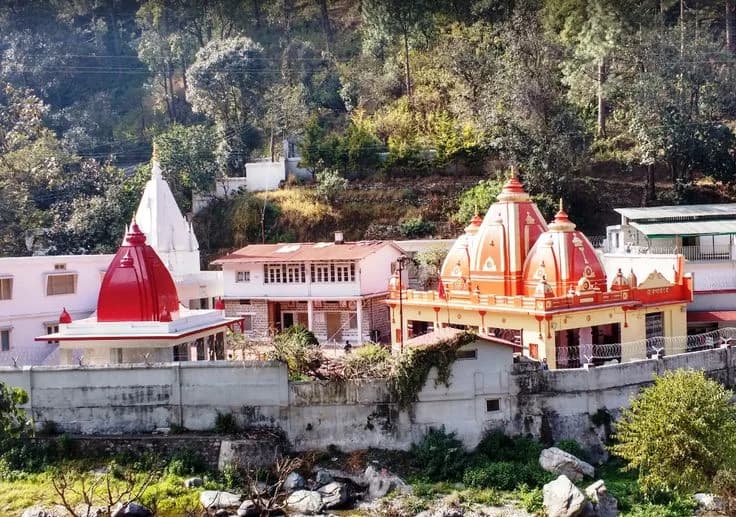
Kainchi Dham, the Uttarakhand shrine associated with spiritual leader Neem Karoli Baba, may soon introduce a daily limit on the number of pilgrims allowed to visit. The Nainital district administration has proposed registering around 20,000 to 25,000 devotees a day as it looks for ways to manage the sharp rise in footfall and ease traffic congestion around the shrine.
The proposal is expected to follow a system similar to the registration mechanism used for Uttarakhand’s Char Dham pilgrimage. Under the plan, devotees would have to register in advance before visiting Kainchi Dham. Once the daily registration target is reached, the portal could be closed for that particular day.
The proposed figure is not a final cap yet. Officials are considering 20,000 to 25,000 visitors as a manageable number, but this could be revised depending on crowd conditions and the administration’s experience with the system.
Why Kainchi Dham is facing a crowd surge
The move comes after a dramatic increase in the number of people visiting the shrine. According to figures accessed by The Indian Express, Kainchi Dham received 24.34 lakh visitors during the first six months of 2026. In comparison, the shrine had received around eight lakh visitors during the entire previous year.
The recent long weekend brought an even bigger rush. The administration normally expects around 25,000 visitors a day, but the daily footfall crossed 35,000 during the long weekend beginning October 2. Other reports put the crowd at more than 50,000 at its peak, highlighting the scale of the pressure on the small hill destination.
The sudden rise in visitors has also affected roads connecting Kainchi with Bhowali, Bhimtal and Mukteshwar. Pilgrims travelling to the shrine share these roads with local residents and people heading towards other parts of Kumaon. As the number of vehicles increased, traffic remained stuck for hours.
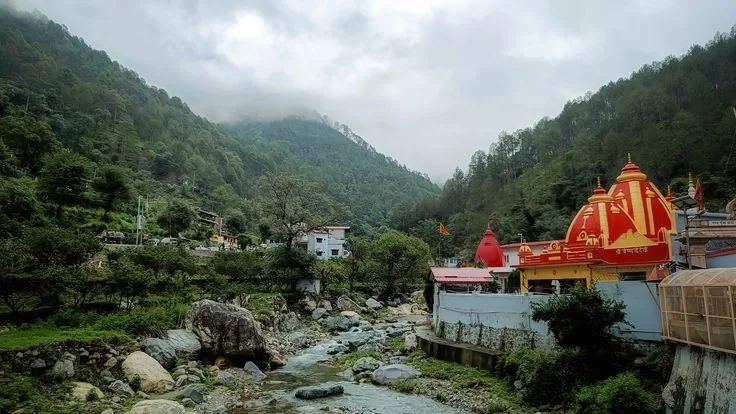
The surge has been linked partly to the end of the monsoon season, when more visitors begin travelling to the hills. Officials have also pointed to the popularity of Hanuman Ansh, a film based on the life and teachings of Neem Karoli Baba, as one factor behind the shrine’s growing popularity among younger visitors.
Registration may help manage pilgrims and traffic
At present, devotees can visit Kainchi Dham without registering beforehand. The proposed system would give the administration an estimate of how many people are expected to arrive on a particular day. This would allow officials to plan traffic movement, parking, shuttle services and security arrangements accordingly.
Also Read | Kolkata Durga Puja 2026 traffic guide: Which roads to avoid
The administration is also considering alternative routes to reduce the pressure on the road leading to the shrine. One important project is the 18-km Ratighat bypass, which could divert through traffic travelling towards Almora, Ranikhet and Kausani away from the Kainchi stretch.
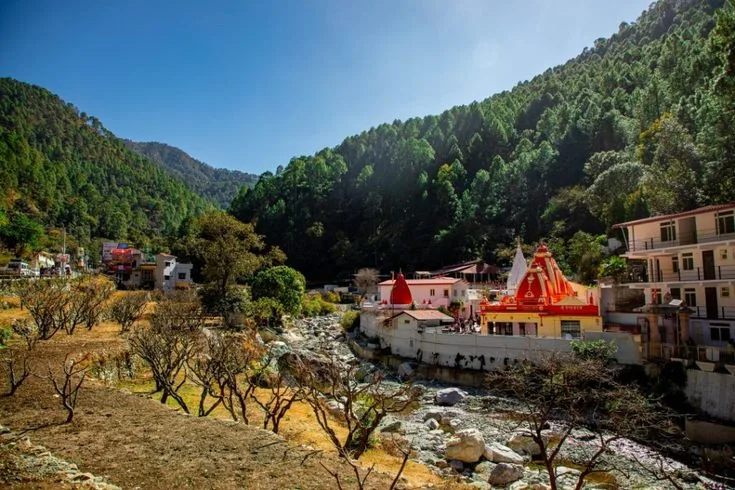
Around 8 km of the bypass has already been surfaced, while work remains on another 10 km. The state government is considering an estimate of Rs 21 crore for surfacing the remaining portion. If the proposal is approved, officials expect the road could become operational within four to six months.
The administration is also examining whether the temple’s opening hours can be changed. One proposal is to open the shrine at 4 am instead of the current 6 am, although any change would need to be discussed with the temple committee because it is involved in decisions concerning the shrine’s timings and rituals.
The registration portal itself could take about a month to develop once the government approves the proposal. Officials are expected to first test the system during weekends before considering its use during other periods of heavy footfall.
Also Read | Yellowstone removes 20,000 items from hot springs: See the bizarre finds
For now, the proposed visitor cap is part of a larger crowd-management plan aimed at balancing the growing popularity of Kainchi Dham with the needs of pilgrims, local residents and travellers using the roads through the Kumaon hills.