

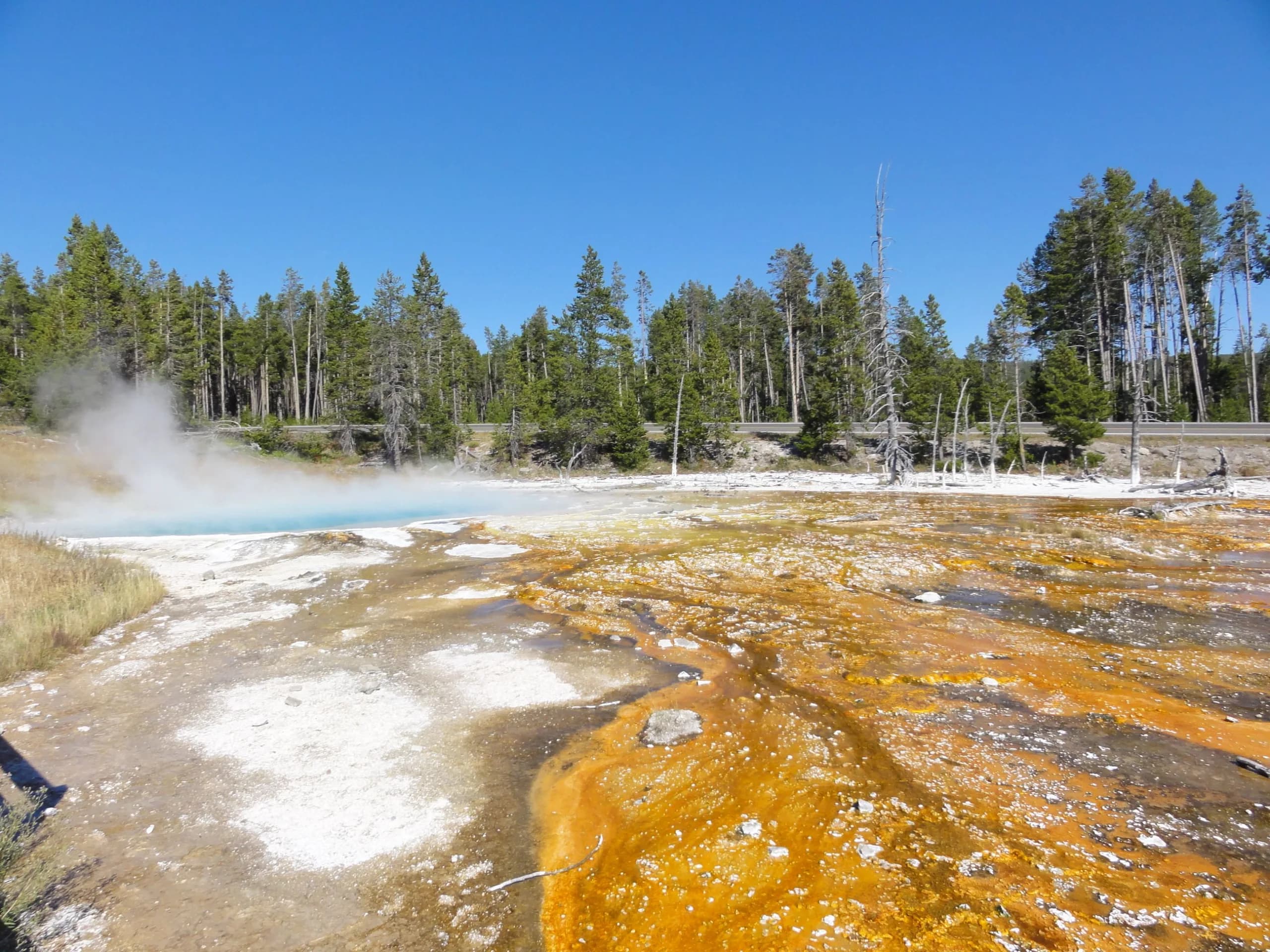










Rubber ducks, fake nails, Pokémon cards and even a tiny copy of The Vampire Diaries have turned up in Yellowstone National Park’s thermal areas this year, as staff continue a record-setting cleanup of its geothermal landscape.
By early September 2026, the park’s Geology team had removed more than 20,100 pieces of trash from hydrothermal areas, according to the Yellowstone Volcano Observatory.
The haul is a record for this point in the year, with loose belongings and discarded objects accumulating around some of the park’s most visited hot springs and geysers.
Also Read | This remote hotel in Spain requires a handwritten letter to make a booking
The collection includes hundreds of hats, sunglasses, hotel key cards, hair ties and other everyday objects. But the more unusual discoveries have drawn attention to a problem that goes beyond litter: even small items can affect Yellowstone’s fragile thermal features.
What are the strangest things found in Yellowstone’s hot springs?
Some of the recovered objects are easy to explain. Visitors lose hats, sunglasses and camera accessories, particularly when strong winds sweep through the park. Others are harder to account for.
Among this year’s finds were two rubber ducks, 15 fake nails, six Invisalign retainers, four Pokémon cards and figurines, eight miniature race cars and a McDonald’s toy dating to 2010.
Staff also recovered three Delta flight pins, an Uno card, three golf tees, six Junior Ranger badges and seven instant photographs. Some of the photographs showed the same thermal features where they were eventually found.
One particularly unusual discovery was a roughly two-inch copy of The Vampire Diaries. The team also collected 54 camera lens caps, 47 hair ties, 42 pencils, 36 pairs of sunglasses, 20 hotel key cards, 17 pacifiers and five AirPods.
More than 280 hats had been collected by early September, including a FIFA 2026 World Cup cap and a Roblox bucket hat from St. Kitts and Nevis. Yellowstone plans to wash wearable hats and donate them to local organisations at the end of the season.
Why is trash dangerous for Yellowstone’s hot springs?
Yellowstone’s thermal areas are not ordinary pools of water. Their underground plumbing and surrounding microbial communities are sensitive to disturbances, making seemingly harmless objects a potential problem.
According to the Yellowstone Volcano Observatory, trash, rocks and other foreign material can clog underground water supplies, block or redirect runoff channels and introduce chemicals or sediment into thermal features.
Coins thrown into hot springs as wishes can also cause damage. Park staff had removed more than $18 in coins by early September, along with pesos, yen, euros and Canadian dollars.
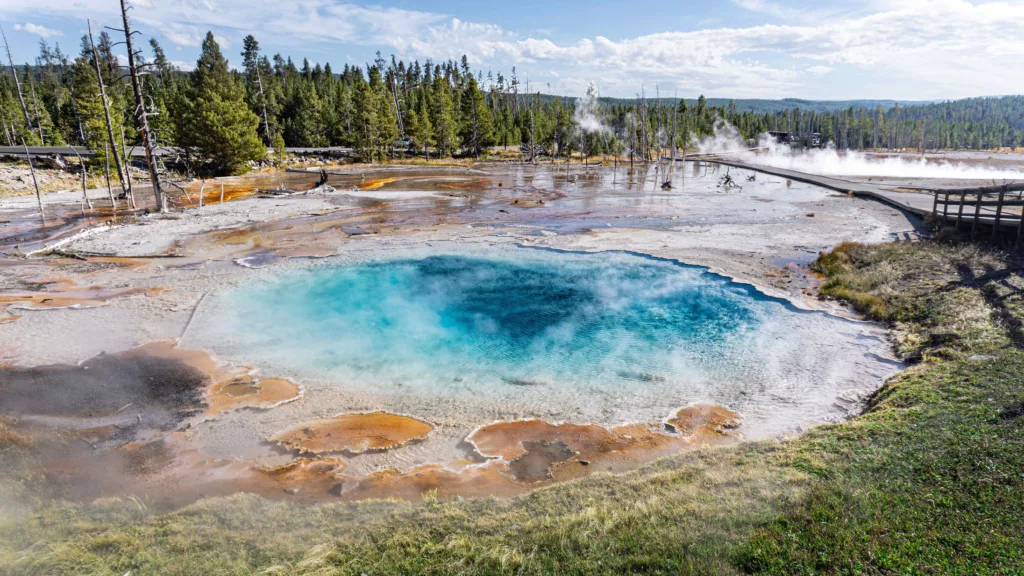
Coins can clog vents and damage the bacterial and algal formations around thermal features. Recovery can take months or even years, the observatory has warned.
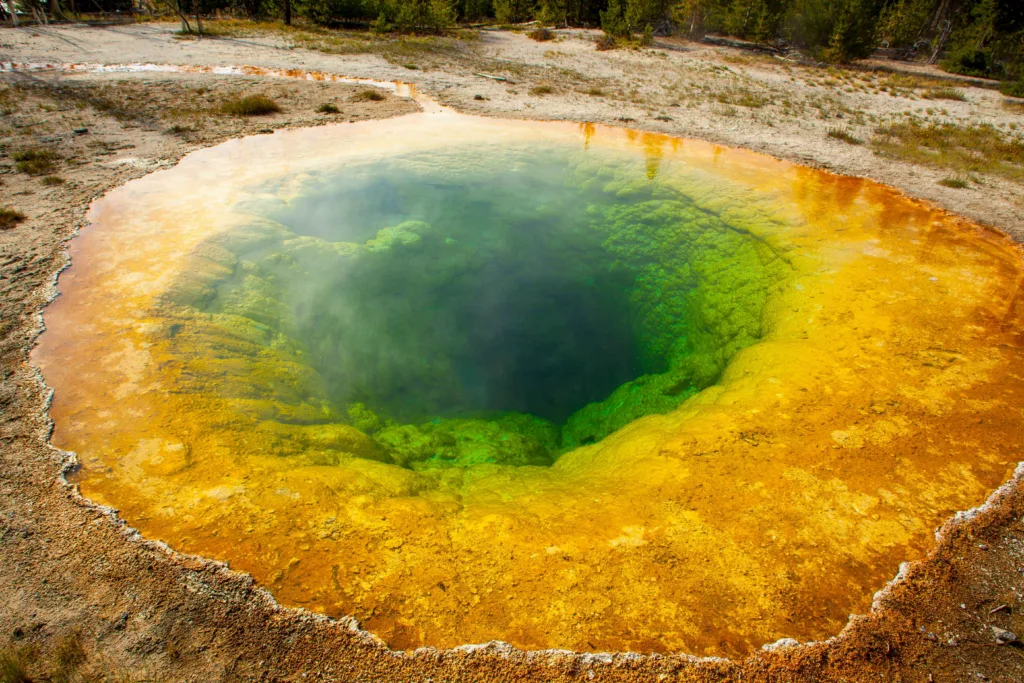
Morning Glory Pool, one of Yellowstone’s best-known hot springs, changed colour during the 20th century as debris accumulated in and around it. Park crews have even partially drained the spring in the past to make it easier to remove rubbish.
How does Yellowstone carry out the cleanup?
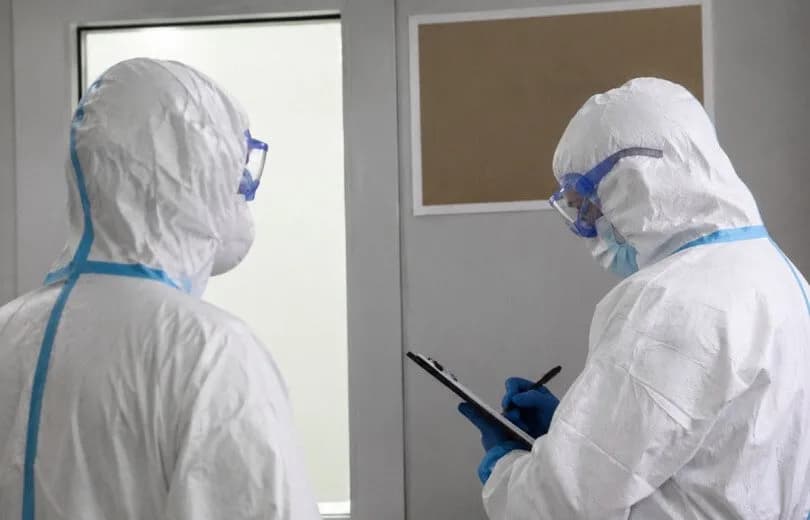
Removing debris from hydrothermal terrain is not as simple as picking up litter from an ordinary path. Yellowstone’s Geology Program staff are trained to work safely around these features, where unstable ground and dangerously hot water pose serious risks.
The team’s responsibilities extend beyond cleanup. Staff also monitor the chemistry and temperature of thermal features, assess incidents in hydrothermal areas and help educate visitors about protecting the park.
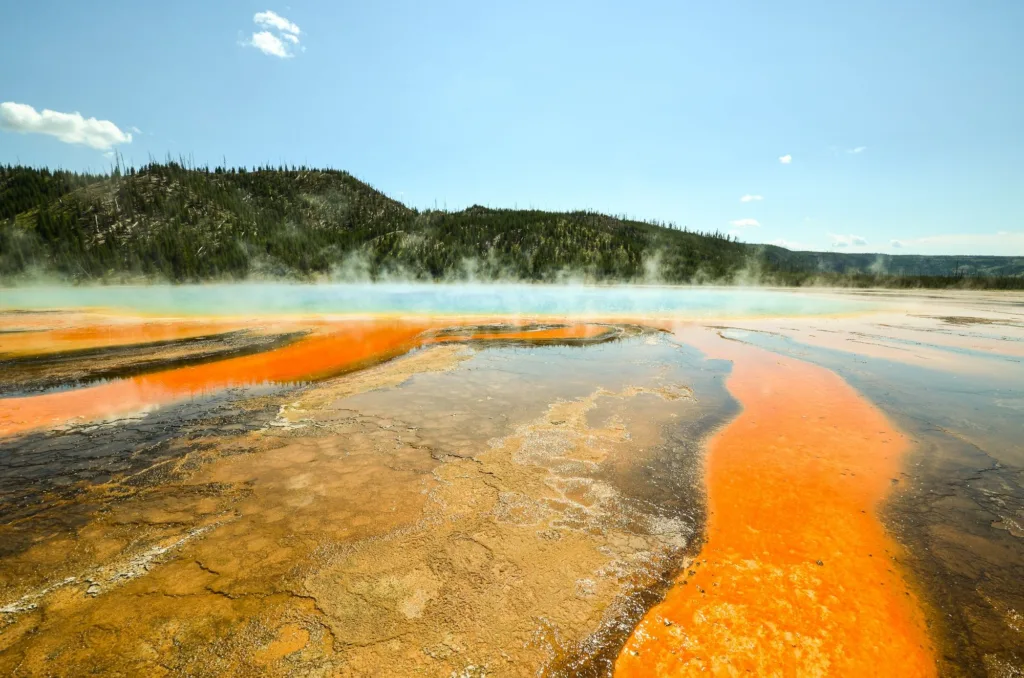
With more than 4.5 million visitors arriving each year, heavily visited locations such as Midway Geyser Basin, Grand Prismatic Spring and the Upper Geyser Basin can accumulate lost belongings. Strong winds can carry loose objects beyond boardwalks and into areas where retrieval is difficult and dangerous.
What should visitors do if something falls into a hot spring?
Park officials advise visitors to secure loose belongings before walking along boardwalks, especially on windy days. Hats, maps, wrappers and small accessories can easily blow away.
Also Read | This remote archipelago has 4,000 people and millions of wild neighbours
If an item falls or is blown beyond a boardwalk, visitors should not attempt to retrieve it themselves. The ground around Yellowstone’s hot springs and geysers can be thin and unstable, and stepping off designated paths can put lives at risk.
The park’s growing collection of lost belongings is an unusual reminder that responsible travel means more than leaving no litter behind. In Yellowstone, protecting the landscape also means keeping objects out of the geothermal features themselves.