






India’s streets have long served as a battleground for political dissent, social justice and demands for accountability. From student-led demonstrations challenging the imposition of Hindi to farmers forcing the repeal of controversial agricultural laws, Indian protest movements have repeatedly tested the authority of governments and influenced the country’s political direction.
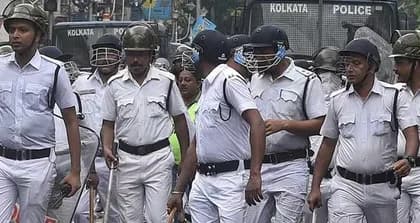
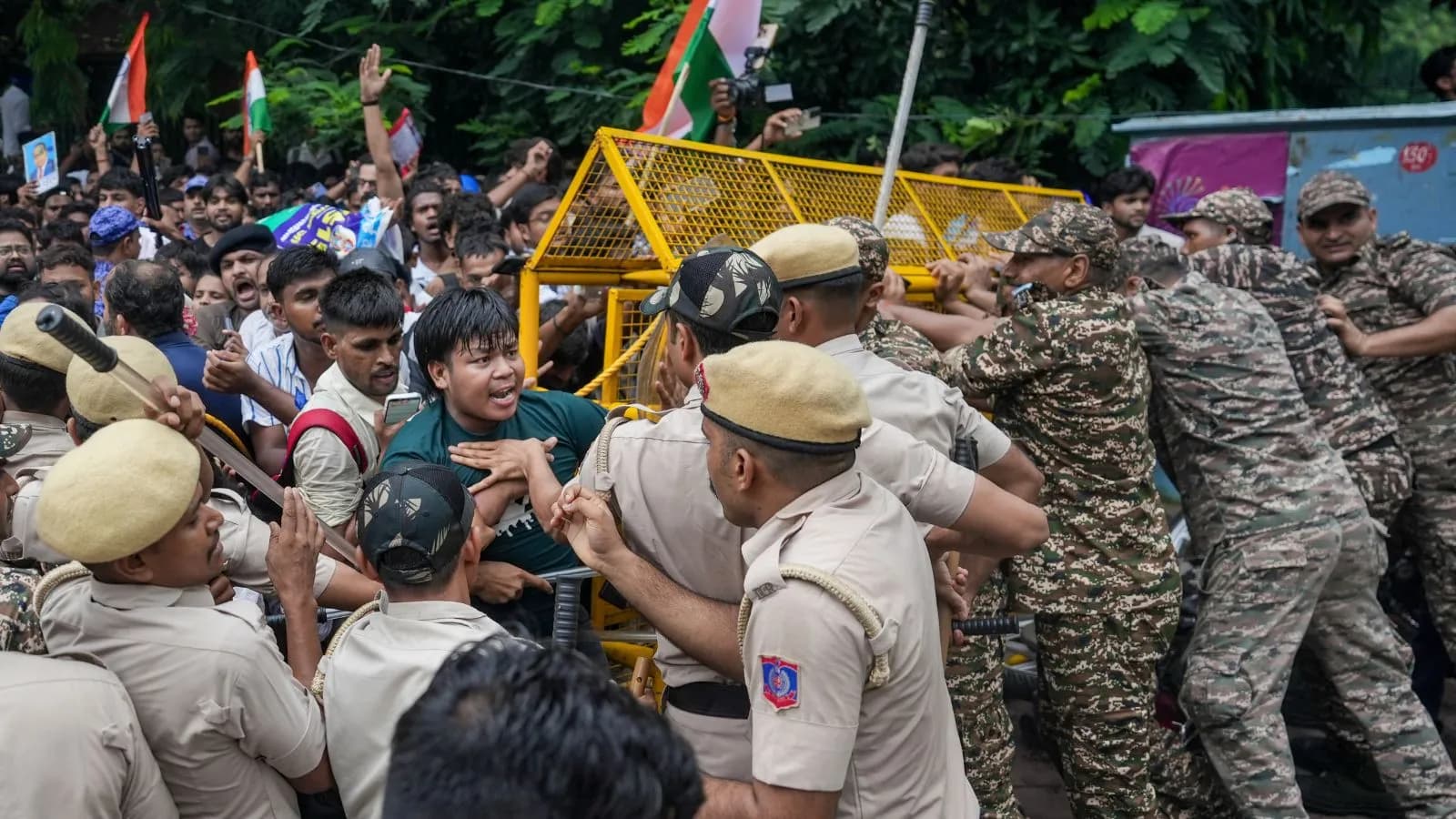
The latest mobilisation led by the Cockroach Janta Party (CJP), alongside opposition parties demanding the resignation of Chief Election Commissioner Gyanesh Kumar over alleged electoral irregularities, is part of this wider tradition. Thousands of protesters have taken to the streets of Delhi, facing extensive security arrangements and restrictions on demonstration venues.
Prime Minister Narendra Modi’s government has faced several waves of public dissent, including the farmers’ agitation that compelled it to withdraw three agricultural laws in 2021. Political analyst Rasheed Kidwai has observed that protests have remained central to India’s political story, despite governments often opposing or critically engaging with them.
The Indian protest history demonstrates that while not every movement achieves its immediate objectives, collective action can transform public debate, influence legislation and alter electoral fortunes.
Indian protest movements that transformed politics and federalism
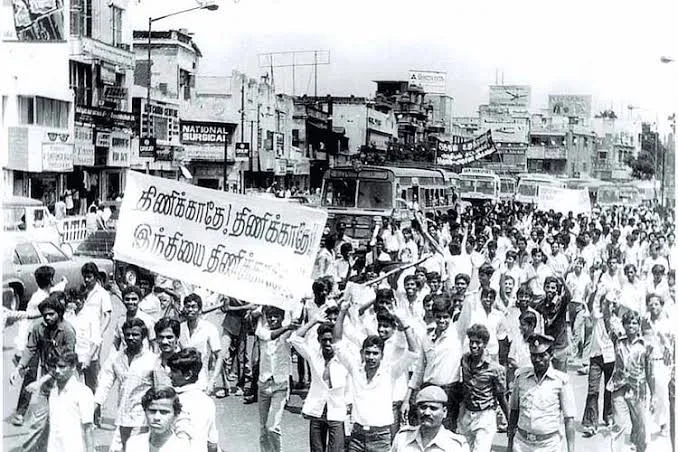
The anti-Hindi agitations of 1965 remain a defining example of how public mobilisation can reshape India’s federal arrangements. Many Tamil speakers feared that replacing English with Hindi as the Union government’s official language would disadvantage them in government employment and administration. Led by the Dravida Munnetra Kazhagam (DMK), the agitation forced Prime Minister Lal Bahadur Shastri to assure protesters that English would continue alongside Hindi. The DMK subsequently won the 1967 Tamil Nadu Assembly election, ending Congress’s dominance in the state.
A decade later, the JP Movement emerged from student protests against corruption, inflation and administrative failures in Gujarat and Bihar. Led by Jayaprakash Narayan, it evolved into a nationwide challenge to Indira Gandhi’s government. The movement preceded the Emergency of 1975 and helped unite opposition parties, which defeated Congress in the 1977 general election. Although Narayan’s vision of Total Revolution remained unrealised, the agitation fundamentally changed opposition politics.
The Mandal Commission controversy in 1990 exposed deep divisions over affirmative action. Prime Minister Vishwanath Pratap Singh announced the implementation of recommendations providing 27 per cent reservation in central government employment for Other Backward Classes. While sections of upper-caste students protested against the decision, supporters argued that reservations were necessary to address historical discrimination and unequal opportunities. The Supreme Court upheld the reservation in 1992, subject to conditions including the exclusion of the creamy layer.
Also Read | Dhruv Rathee to take legal action after Delhi detention, calls situation ‘Emergency-like’
From Anna Hazare to farmers: Protests that forced government action
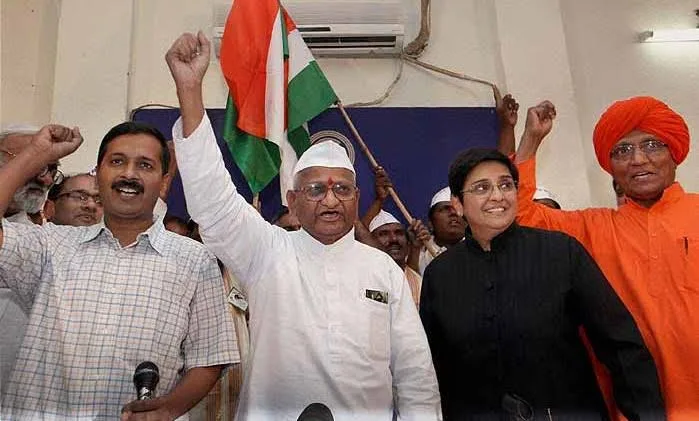
The anti-corruption movement led by Anna Hazare in 2011 mobilised thousands against alleged corruption under the Congress-led United Progressive Alliance government. Through hunger strikes and nationwide demonstrations, activists demanded an independent anti-corruption ombudsman. Parliament subsequently passed the Lokpal and Lokayuktas Act in December 2013. The movement also influenced electoral politics, with Arvind Kejriwal establishing the Aam Aadmi Party in 2012.
In December 2012, the gang rape and death of a young woman in Delhi triggered widespread protests against sexual violence, inadequate policing and unsafe public spaces. The demonstrations contributed to the Criminal Law (Amendment) Act, 2013, which expanded the legal recognition of sexual offences and strengthened penalties for several crimes. However, activists have continued to question whether legal reforms alone can address violence against women.
The anti-CAA protests of 2019 and 2020 challenged a citizenship law that offered an expedited path to citizenship for specified non-Muslim migrants from Afghanistan, Bangladesh and Pakistan. Critics argued that the religious criteria undermined secular constitutional principles. The women-led sit-in at Delhi’s Shaheen Bagh became a prominent symbol of resistance. Although the government did not repeal the law, it notified the implementation rules only in March 2024.
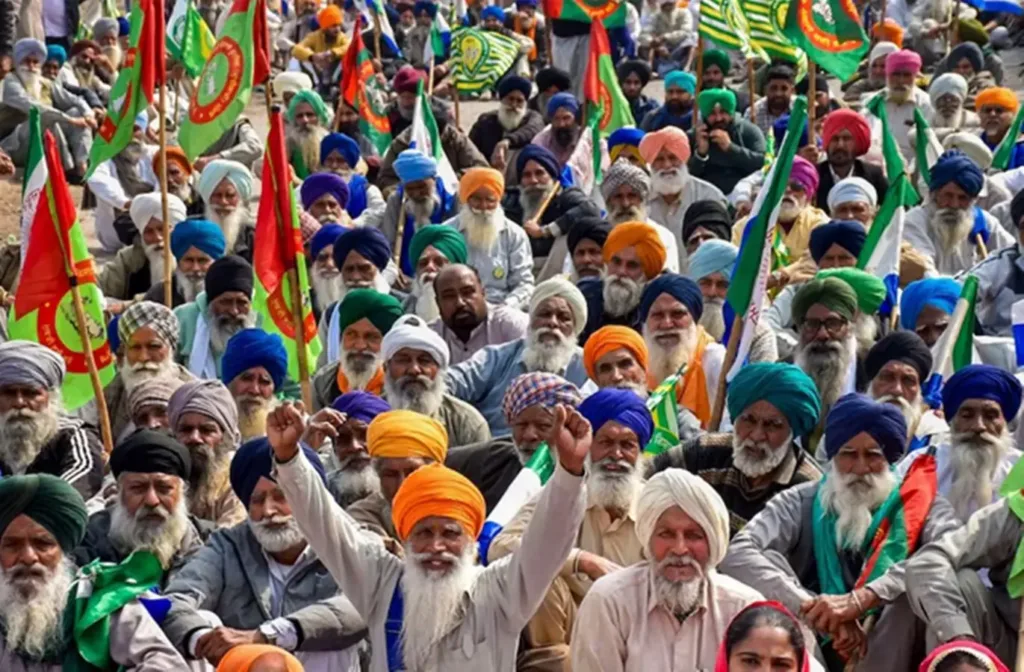
The farmers’ protests of 2020-21 delivered a more direct policy victory. Farmers feared that three agricultural laws introduced by the Modi government would weaken regulated markets and undermine minimum support prices. Thousands camped on Delhi’s borders for months under the Samyukt Kisan Morcha coalition. In November 2021, Modi announced the repeal of all three laws, marking a significant concession to a sustained mass movement.
Also Read | Dhruv Rathee, Pinarayi Vijayan, Arvind Kejriwal: Who were detained ahead of CJP protest?
CJP protests bring electoral accountability back into focus
The latest chapter in Indian protest movements emerged in 2026 with the Cockroach Janta Party, founded by student activist Abhijeet Dipke. The group’s name drew on controversial remarks by Chief Justice Surya Kant comparing unemployed youth to cockroaches and parasites, which sparked widespread criticism.
Initially mobilising against alleged irregularities in the NEET medical entrance examination, the movement gained momentum with support from student organisations. Its agitation culminated in the resignation of Education Minister Dharmendra Pradhan in July 2026, according to the report.
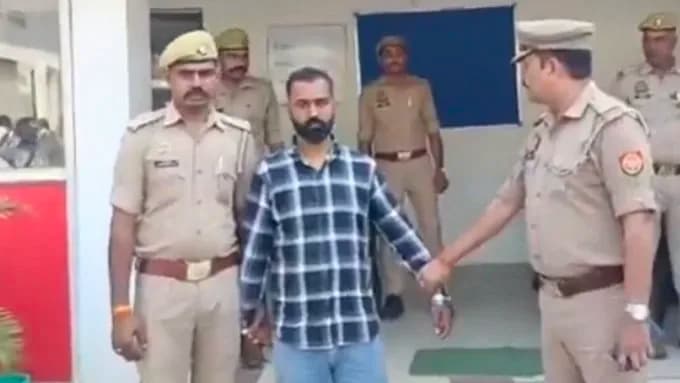
The CJP has since joined opposition parties in demanding Kumar’s resignation over alleged irregularities in electoral roll revisions under the Special Intensive Revision exercise. The mobilisation has prompted heavy security deployments, detentions and renewed disputes over access to designated protest sites in Delhi.
Earlier movements demonstrate that mass mobilisation does not always produce immediate change. Protests against economic liberalisation, for instance, failed to stop the broader reform programme introduced in 1991. Similarly, the anti-CAA agitation did not secure repeal of the citizenship law.
Yet Indian protest movements have repeatedly altered political calculations, brought neglected grievances into public debate and forced governments to respond. Whether the CJP’s current campaign achieves its demands remains uncertain, but its emergence reinforces a longstanding feature of Indian democracy: public protest continues to be a powerful means of challenging authority and demanding accountability.