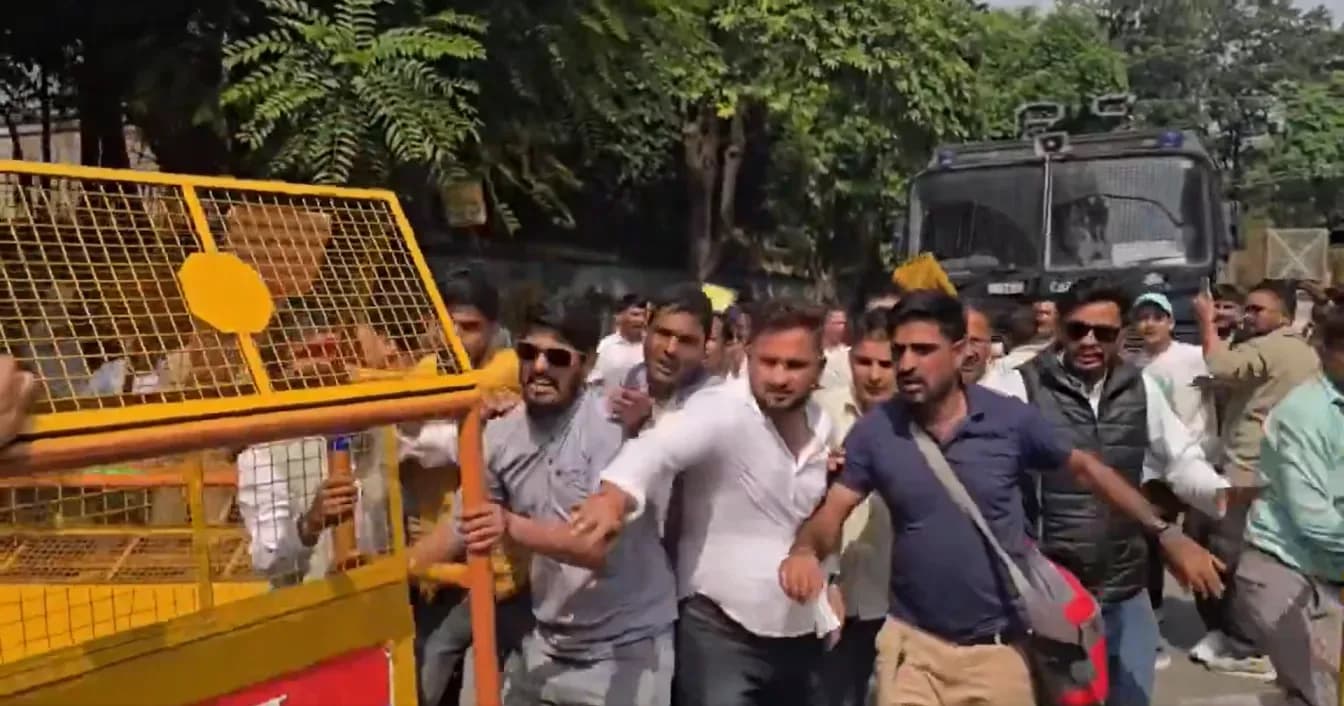






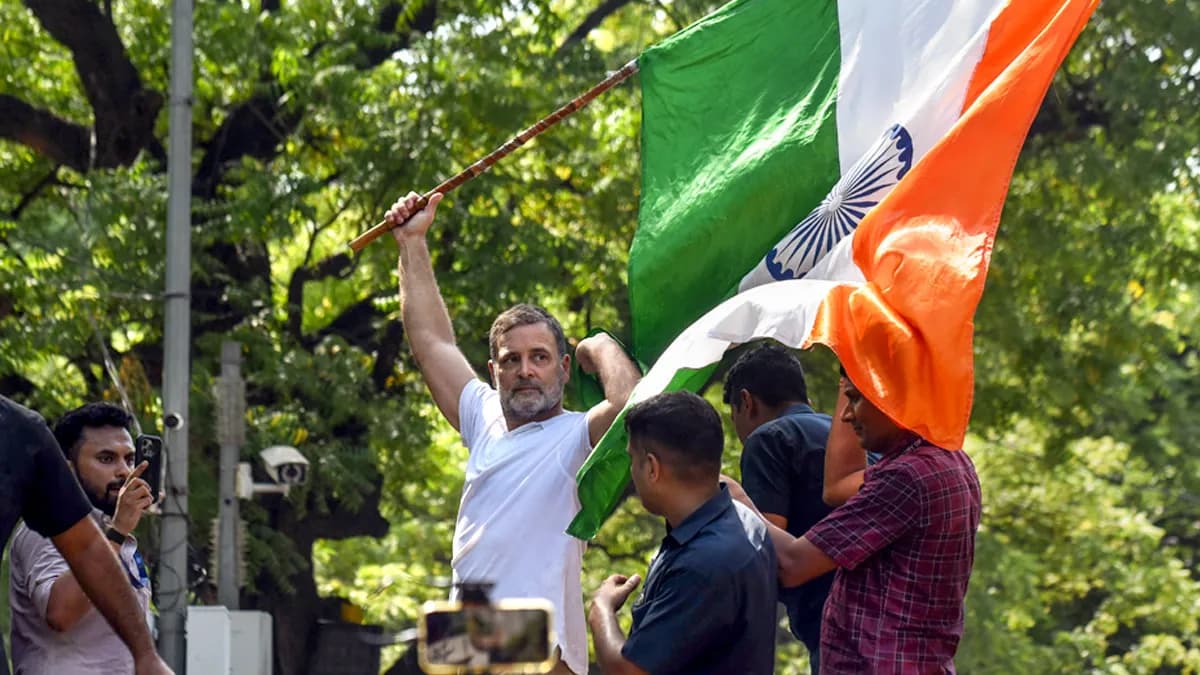
Delhi witnessed a major political confrontation on Saturday, October 10, after police detained protest organisers, Opposition leaders, activists and journalists ahead of a planned demonstration at Jantar Mantar.
The protest was called by the Cockroach Janta Party (CJP), which demanded the resignation of Chief Election Commissioner Gyanesh Kumar over alleged irregularities in the revision of electoral rolls.
The crackdown affected several parts of the capital and extended to other cities. It also brought the debate over voter registration, the Election Commission’s accountability and the right to peaceful protest into particular focus.
Police dispersed CJP protesters in CP, who are now scrambling for cover. Police chased away CJP protesters from Connaught Place; the protesters are now looking for places to hide. https://t.co/hZvC2SsR5G
— Omkar Rathore (@omiverseglobal) October 10, 2026
Also Read | Delhi High Court backs visa denial to US sex offender
From viral quip to political force
Despite its name, the CJP is primarily a youth-led political pressure movement rather than a conventional political party. It emerged in May after a social media post by its founder, Abhijeet Dipke, went viral.
His post, “What if all cockroaches come together?”, responded to remarks by Supreme Court judge Surya Kant that compared unemployed youth to cockroaches.
The satirical identity soon became a rallying point for young people frustrated with unemployment, examination paper leaks and demands for greater government accountability.
The movement gained national attention during protests that culminated in the resignation of then Union education minister Dharmendra Pradhan in July. Its latest campaign has turned its attention to the Election Commission.
JUST IN: Around 100–150 CJP protesters detained in Pune, including those protesting near Lal Mahal, as police enforce orders issued by the Home Ministry, an officer said. Five to six police vans were filled with detainees, some of whom were heard shouting “Inquilab Zindabad”. https://t.co/EyRz9KBeHr
— Varad Bhatkhande | Journalist (@VaradBhatkhande) October 10, 2026
The SIR controversy and voter-roll allegations
The central issue is the Special Intensive Revision (SIR) of electoral rolls. This is an exercise to verify and update voter lists.
The CJP and its supporters have alleged irregularities in this process and in the handling of Form 6, which eligible citizens use to apply for inclusion in the electoral roll.
They argue that problems with voter registration and the revision process raise questions about whether eligible citizens can exercise their right to vote.
The controversy has also grown over claims that large numbers of names could be excluded from voter lists.
About 13.39 cr voters allegedly dropped from a draft roll. The Election Commission, however, said the figure referred to entries flagged during the draft revision and that voters wrongly removed could enrol again.
These competing positions are central to the dispute. The allegations of manipulation remain contested, while the CJP is demanding Kumar’s resignation.
#MamataBanerjee detained by Delhi Police on her way to Jantar Mantar to join the CJP protest. https://t.co/FqeG0KrBwO
— Pooja Mehta (@pooja_news) October 10, 2026
No permission, plenty of barricades
Delhi Police denied permission for the demonstration, citing security concerns and the timing of the application. The request was submitted on October 7, despite a prescribed 10-day notice period.
Police subsequently set up barricades and checkpoints and imposed prohibitory orders in parts of the capital.
The scale of the operation was significant. Around 1,200 people had been detained overnight, followed by approximately 500 more during the morning.
By around 3 pm, the reported figure had crossed 2,000. The detentions took place at multiple locations, including routes leading to the protest site and locations outside Delhi.
Listen to the disrespectful manner in which entitled CJP protestors address a courteous Delhi Police. Police are the real "aapiyas" here. And good for them. THE LANGUAGE OF PROTEST VS THE LANGUAGE OF THE LAW https://t.co/KHx1nKI7Jf
— Rahul Shivshankar (@RShivshankar) October 10, 2026
Who was detained
CJP founder Abhijeet Dipke and co-organisers Saurav Das and Ashutosh Ranka were detained after their aircraft landed in Delhi.
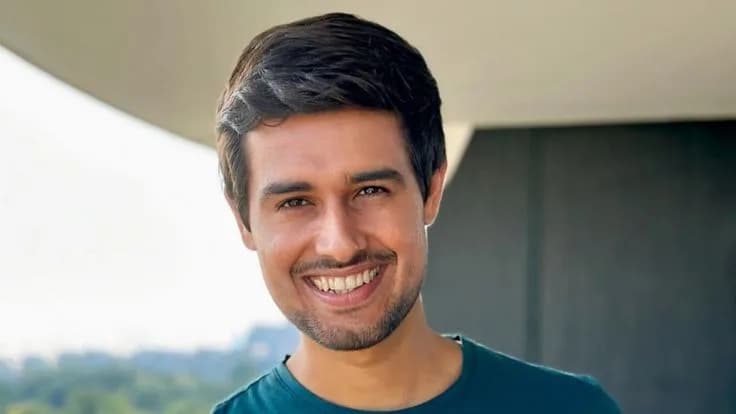
YouTuber Dhruv Rathee was also detained in Gurugram. Former Kerala chief minister Pinarayi Vijayan, Trinamool Congress chief Mamata Banerjee, Aam Aadmi Party leader Arvind Kejriwal, activist Yogendra Yadav and lawyer Prashant Bhushan were among those reported detained.
Journalists covering the protest were also picked up.
Opposition leaders condemned the police action and accused the authorities of restricting democratic rights.
Mamata Banerjee called the situation a “super emergency” after she and fellow TMC leaders were detained following a sit-in near South Avenue.
The BJP offered a sharply different political assessment. Its president, Nitin Nabin, accused the Opposition and the CJP of attempting to destabilise the country at the behest of “foreign powers and alliances”.
Also Read | Dhruv Rathee detained in Gurugram ahead of CJP protest
One protest, several uncomfortable questions
The episode has widened the confrontation beyond the original demand for Kumar’s resignation. It now involves questions about electoral transparency, the authorities’ handling of demonstrations and the limits placed on peaceful dissent.
The Election Commission has defended its voter-verification exercise, while the CJP and Opposition leaders continue to demand accountability.
The underlying allegations about electoral-roll irregularities remain disputed, leaving the credibility of the revision process at the centre of the political row.