







Raksha Bandhan is usually associated with stories of affection, protection and the enduring bond between brothers and sisters. Indian mythology has several famous sibling pairs whose relationships are remembered for loyalty and love. But not every story of brotherhood and sisterhood is built around goodness or virtue.
The Ramayana gives us one of the most unusual examples in Ravana and Surpanakha. Both are remembered as antagonists, yet their relationship is marked by deep loyalty and a strong sense of attachment. Their story offers a darker interpretation of the bond that Raksha Bandhan celebrates.
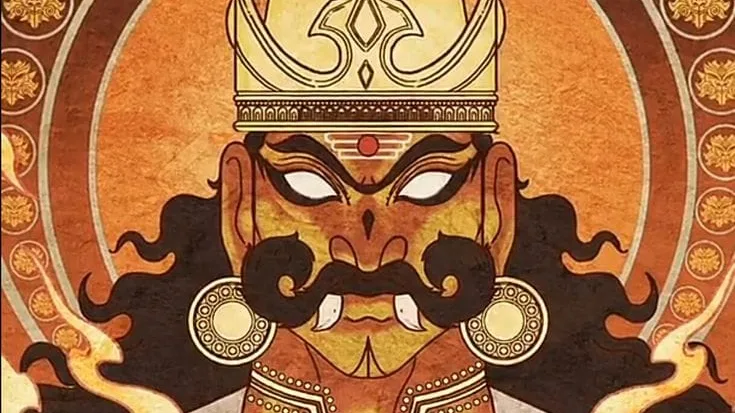
Ravana, the powerful king of Lanka, and his younger sister Surpanakha are often presented as two sides of the same personality. Unlike mythological sibling pairs where one character represents good and the other evil, both Ravana and Surpanakha are associated with violence, anger, desire and revenge. Their similarities make their relationship particularly striking.
Ravana and Surpanakha were more than just siblings
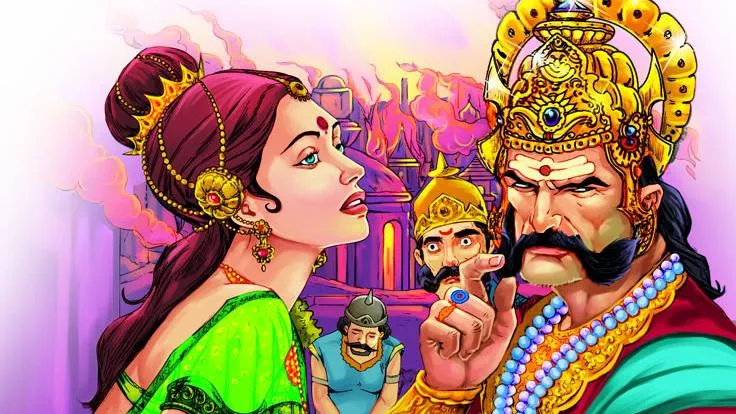
According to the Ramayana tradition discussed in the original article, Ravana and Surpanakha shared a bond that was different from their relationships with their other siblings, including Kumbhakarna and Vibhishana. They were both strong-willed and fiercely ambitious, with personalities driven by powerful emotions.
Ravana was known not only as the king of Lanka but also as a great scholar and a figure who had received extraordinary powers. Surpanakha, meanwhile, is described in the tradition as possessing magical abilities, including the power to change her form.
Their similarities went beyond their powers. Both were driven by ego and had little hesitation in pursuing what they wanted. Their relationship could therefore be seen as that of two people who understood each other’s temperament because they shared many of the same qualities.
Yet their bond was not free from complications. Their affection for each other existed alongside anger, rivalry and revenge. That combination makes their story very different from the idealised image of sibling relationships often associated with Raksha Bandhan.
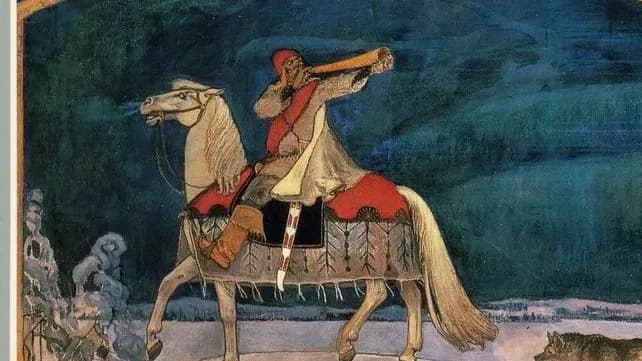
Also Read | Kalevala how one epic bridged Finland and Karelia
How Surpanakha’s humiliation led to war
The turning point came when Surpanakha encountered Rama and Lakshmana. After her advances were rejected, Lakshmana cut off her nose. Humiliated and furious, Surpanakha returned to Ravana and told him what had happened.
Her expectation was clear: she wanted her brother to act against those who had humiliated her.
Ravana’s response was shaped by his affection for his sister as well as his own anger. He eventually decided to take revenge on Rama and Lakshmana. This set in motion the events that led to the abduction of Sita and, ultimately, the war between Rama and Ravana.
In this sense, the relationship between Ravana and Surpanakha becomes part of the larger chain of events that drives the Ramayana towards its central conflict.
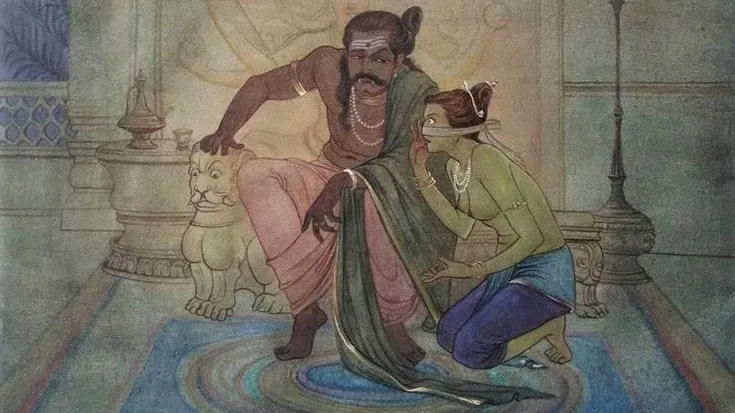
There is also another strand of folklore that offers a very different explanation. One version suggests that Ravana had killed Surpanakha’s husband, leading her to secretly seek revenge against her own brother. She allegedly used Rama and Lakshmana as instruments in that plan because she believed Rama was capable of defeating Ravana.
Also Read | Why is NASA’s Moon mission named Artemis? The story behind it
This version is not the dominant account of their relationship, but it adds another layer to the story and shows how mythology can contain different traditions and interpretations.
The bond of brother and sister
At its heart, the Ravana-Surpanakha story is about a complicated form of sibling loyalty. They may represent the darker side of mythology, but their attachment to each other remains strong. Ravana’s decision to act after Surpanakha’s humiliation shows how family loyalty can become powerful enough to influence even the course of a larger conflict.
For Raksha Bandhan, the story offers an unusual reminder that sibling bonds in mythology are not always simple stories of heroes and villains. Love, loyalty, anger, revenge and protection can exist together, making Ravana and Surpanakha one of the most striking brother-sister pairs in the Ramayana tradition.