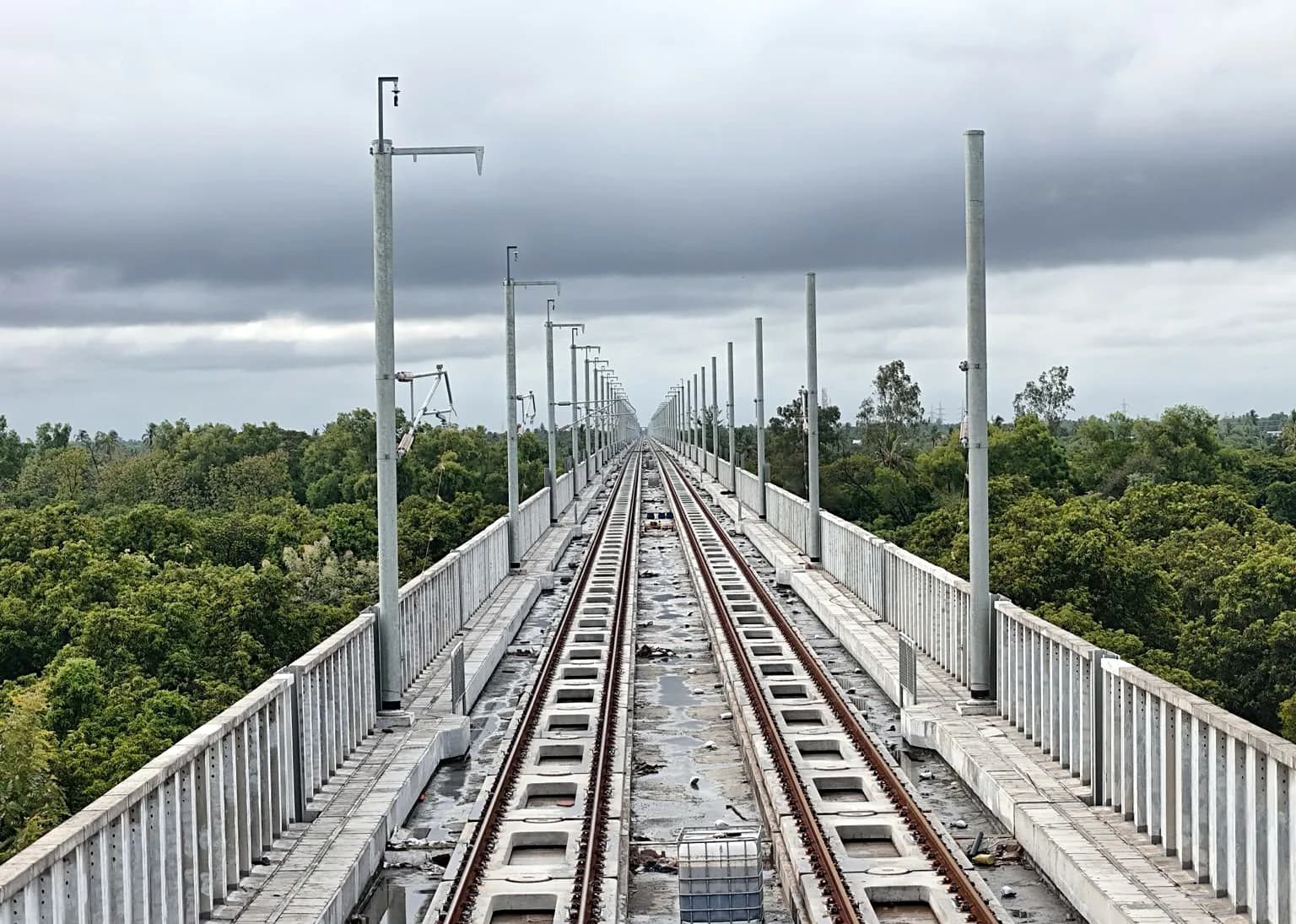









India’s ambitious Mumbai-Ahmedabad bullet train project, once targeted for a 2023 launch, is now expected to begin limited operations in August 2027, nearly a decade after the project was sanctioned.
The 508-km high-speed rail corridor was conceived as a showcase of India-Japan cooperation, using Japan’s Shinkansen technology and heavily concessional Japanese financing.
But the project has faced land acquisition delays, rising costs and disagreements over procurement and technology.
Also Read | This remote archipelago has 4,000 people and millions of wild neighbours
The project cost, initially estimated at around ₹98,000 crore in 2015, has since risen to approximately ₹1.87 lakh crore.
Why has India’s bullet train project been delayed?
The original target of starting services in 2023 has slipped substantially. India now plans to start with a 100-km stretch, using slower, Indian-built trains before expanding operations.
One of the key points of disagreement has been how much of Japan’s high-speed rail system India should adopt and how much technology should be developed domestically.
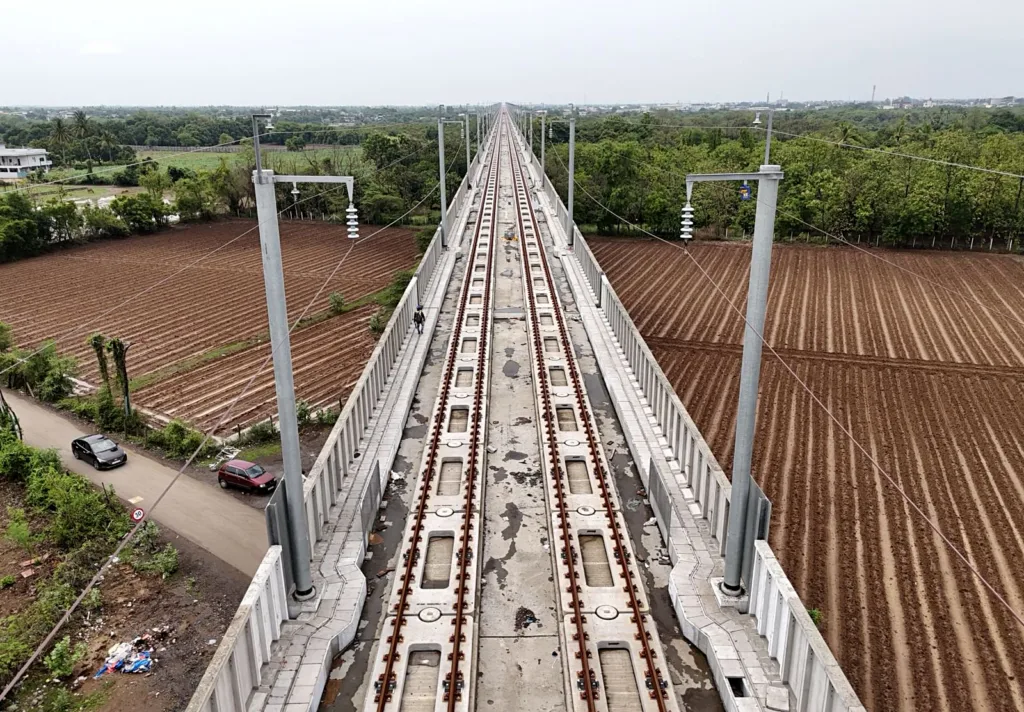
Differences have emerged over issues including the signalling system and the extent of technology localisation. The signalling system has been handed over to German industrial group Siemens, a competitor to Japan in the sector.
Japan has argued that a bullet train is an integrated system in which tracks, signalling and trains need to work together to ensure safety, reliability and punctuality.
India, meanwhile, has pushed for greater domestic participation and the development of indigenous high-speed trains.
A senior Railway Ministry official cited anonymously by The Financial Times said India and Japan remained “fully aligned” on the project and that key decisions had been reached through discussions and mutual agreement.
How much has the Mumbai-Ahmedabad project cost?
Japan agreed to finance up to 81% of the project’s cost through a loan carrying an interest rate of just 0.1%, repayable over 50 years with a 15-year moratorium.
The financing was a major reason for choosing Japan’s Shinkansen technology.
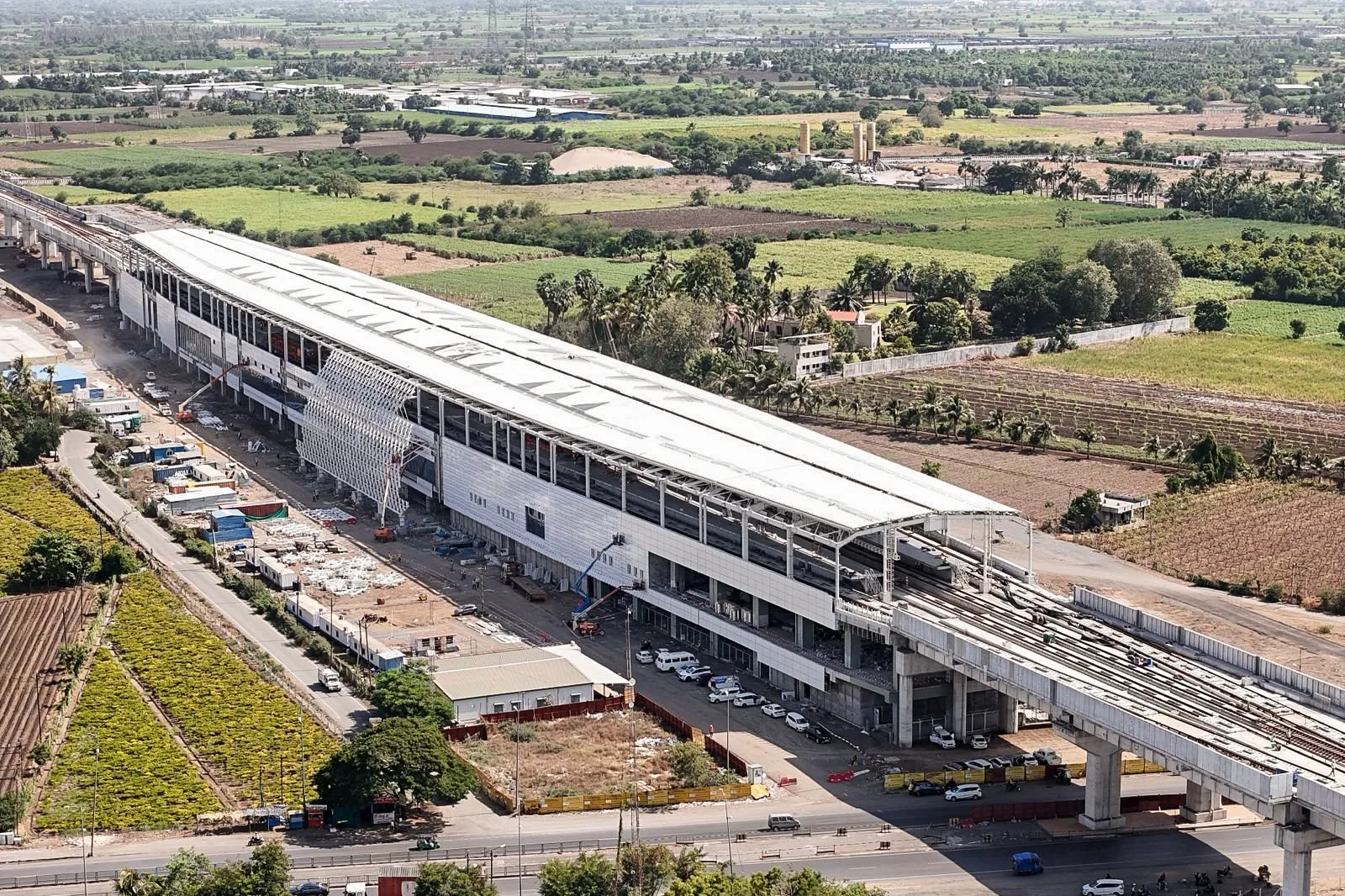
The project is being implemented by the National High Speed Rail Corporation Ltd (NHSRCL), jointly owned by the Centre and the governments of Maharashtra and Gujarat.
The corridor will have 12 stations, connecting Mumbai, Thane, Virar, Boisar, Vapi, Bilimora, Surat, Bharuch, Vadodara, Anand, Ahmedabad and Sabarmati.
Can India’s bullet train attract enough passengers?
Beyond construction delays and rising costs, the project faces another important question: how many passengers will be willing to pay a premium for faster travel?
The original assessment projected daily ridership of around 36,000 passengers in both directions in 2023, rising to about 1.86 lakh passengers a day by 2053.
The fare is expected to be around 1.5 times the AC first-class fare on conventional trains, according to the report.
The concerns are not unique to India. Large high-speed rail projects in other countries have also faced cost overruns and lower-than-expected passenger projections.
Also Read | This remote hotel in Spain requires a handwritten letter to make a booking
Eurotunnel, whose estimated cost rose from around £5 billion to £9.5 billion, and California’s high-speed rail project, where passenger projections were subsequently revised downwards.
For India, however, the Mumbai-Ahmedabad corridor remains a flagship infrastructure project, with the 2027 limited launch now set to be an important test of the country’s high-speed rail ambitions.