













The fight over abortion access in the United States is moving into a new legal arena. Louisiana, Alabama and Arkansas have filed two lawsuits seeking to stop abortion pills from reaching residents in their states through providers based elsewhere.
Their argument is unusual; they say the cross-border distribution of the drugs amounts to a “public nuisance”.
THE FIGHT OVER MAIL ORDER ABORTION PILLS IS ESCALATING. Louisiana AG Liz Murrill tells Tony Perkins about what she calls a “pill pipeline” into states where abortion is restricted and the new legal fight over state “shield laws.” https://t.co/a5MgnOjzb7
— CRAZY_BITCH_FROM_THA_SLAPAHOE_TRIBE 𖧶🪓 (@TRUMPGIRL_STL) October 4, 2026
Also Read | Messi farewell: ‘The whole world is grateful to you’ — Neymar’s tribute
The pills cross state lines

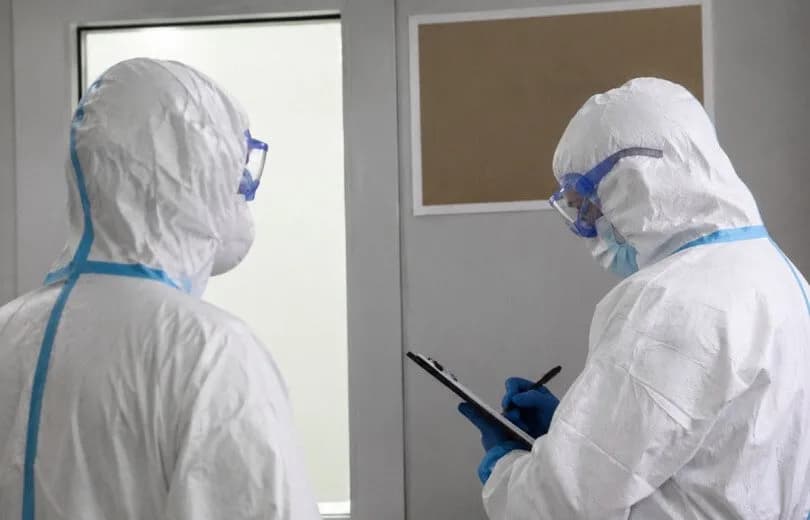
The three Republican-led states have strict abortion restrictions. But patients can still obtain medication through telehealth consultations with providers in states where abortion remains legal. Those providers can prescribe and mail the drugs across state lines.
The states argue that this effectively weakens their abortion bans. They are now asking courts to intervene.
What public nuisance law means
The legal theory matters because “public nuisance” law has traditionally dealt with activities that interfere with public health, safety or rights.
Examples include blocking roads, polluting waterways or releasing dangerous fumes.
In more recent cases, governments have also used the doctrine in disputes involving tobacco, opioids, climate change, vaping and other alleged public harms.
How states are using the doctrine
The new lawsuits take that principle into the abortion debate. The states argue that providers are deliberately frustrating laws passed by their legislatures by sending abortion medication into states where abortion is restricted.
They are seeking court orders that could stop the alleged conduct and, in the Louisiana federal case, are also seeking damages, civil penalties and other remedies.
Federal approval meets state power
This is where the legal dispute becomes complicated.
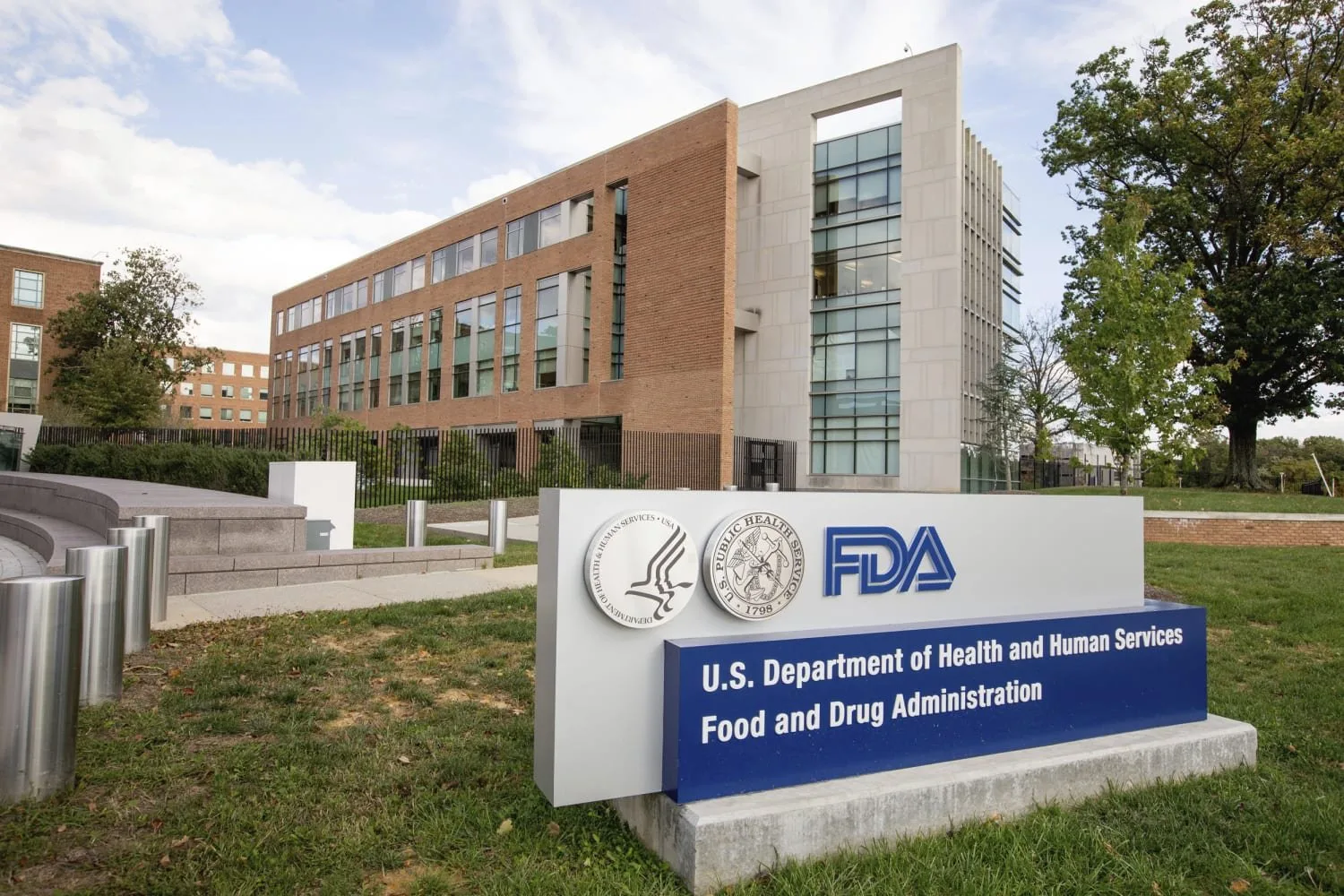
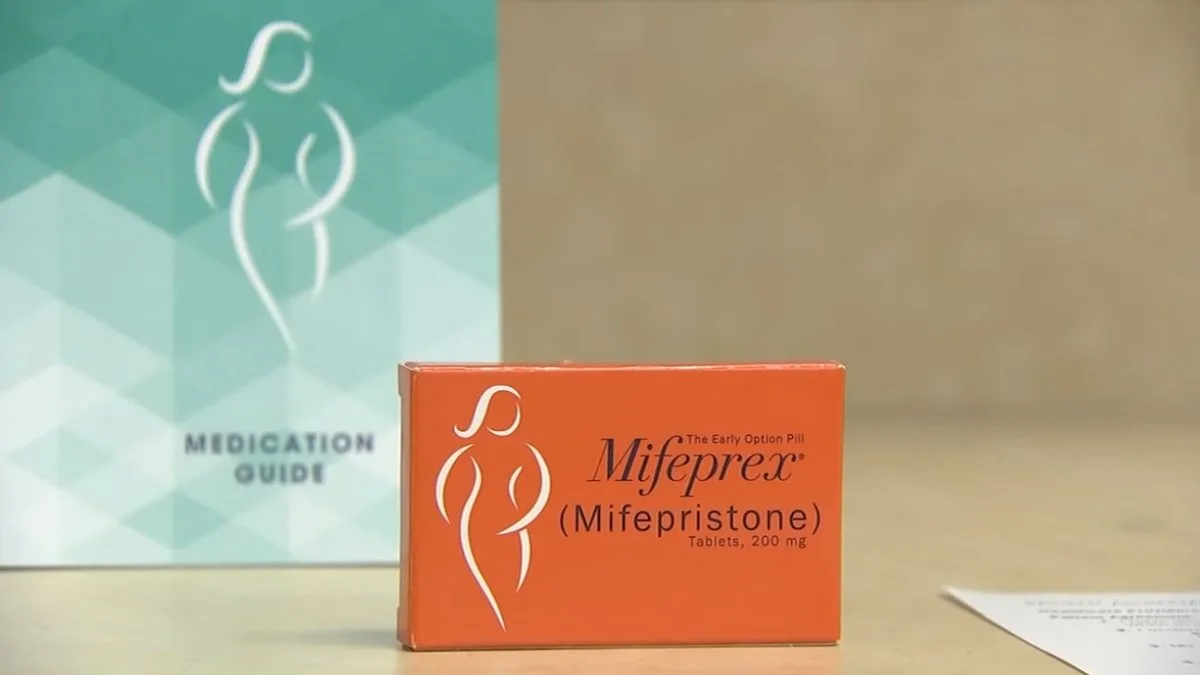
Mifepristone, one of the two drugs commonly used for medication abortion, was approved by the US Food and Drug Administration in 2000.
The FDA has also expanded access to the drug over time, including allowing qualifying prescriptions through telehealth and dispensing by mail.
The FDA and major medical organisations have repeatedly said mifepristone is safe and effective when used as directed, with serious adverse events considered rare.
That creates a central question for the courts. Can a state use public nuisance law to challenge medical services that are federally authorised and legally provided in another state?
Legal scholar Linda Mullenix, whose analysis was cited by Law360, has distinguished the Louisiana case from earlier nuisance litigation because of its reliance on federal common law rather than a conventional state-law nuisance claim.
The lawsuits also target so-called “shield laws”.
New York, California and Massachusetts have adopted laws designed to protect reproductive-health providers from certain out-of-state investigations, legal proceedings and enforcement actions involving services that are lawful where they are provided.
Louisiana, Alabama and Arkansas argue that these laws interfere with their ability to enforce abortion restrictions inside their own borders.
The two lawsuits and their legal routes
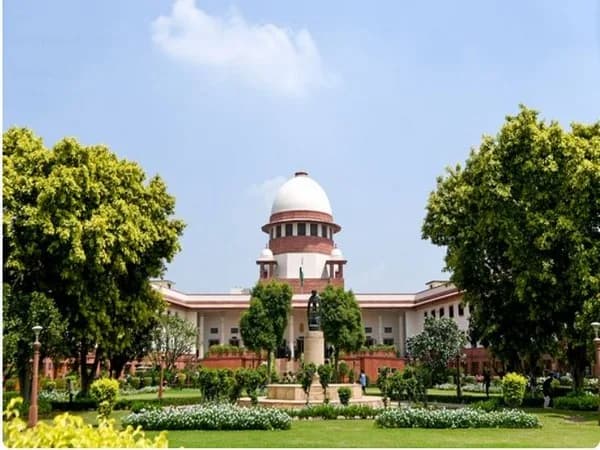
One case was filed directly with the US Supreme Court, asking it to take up the dispute between the states.
The other was filed in federal court in Louisiana against about 30 medical practitioners and organisations accused of prescribing, dispensing or shipping abortion medication across state lines.
The Supreme Court has not accepted the states’ case, and the claims remain allegations rather than established findings.
The issue has gained urgency as telehealth abortion access has expanded since the Supreme Court overturned Roe v. Wade in 2022.
According to the Guttmacher Institute, about 91,000 abortions were provided through telehealth to patients in states with total abortion bans in 2025, up from about 74,000 in 2024.
Also Read | Did plague kill Russia lab worker? WHO says risk assessment remains unclear
Advocates see a reach beyond state borders
For abortion-rights advocates, the lawsuits represent an attempt by restrictive states to reach providers beyond their borders.
Linda Goldstein, senior counsel at the Centre for Reproductive Rights, said, “That is not protecting their residents from harm, nor is it in line with typical public nuisance claims.”
The cases could ultimately test how far a state’s authority extends when its residents receive medical services from providers operating legally in another state.
They may also force courts to draw a clearer line between state abortion laws, federal drug regulation and interstate medical practice.