
















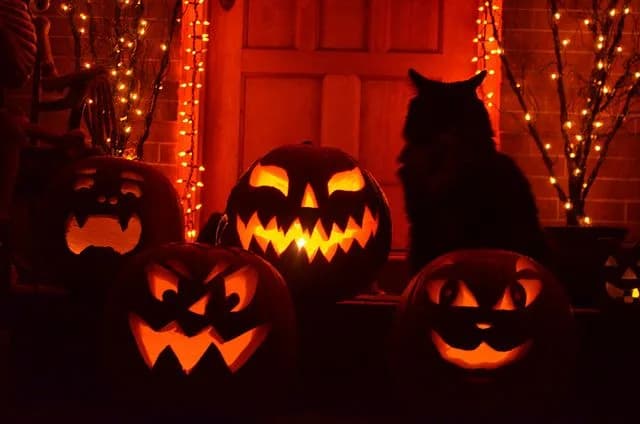
Every Halloween, carved pumpkins with glowing eyes and crooked smiles appear outside homes, shops and parties. The jack-o-lantern has become one of the most recognisable symbols of the festival. But the tradition did not begin with pumpkins.
The earliest versions were made from turnips and other root vegetables in Ireland. The change from turnip to pumpkin happened much later, after Irish immigrants carried their Halloween customs to the United States. Behind that transformation lies a story involving Irish folklore, the ancient Celtic festival of Samhain, the devastating Great Famine and even a crop-destroying microorganism.
The legend of Stingy Jack
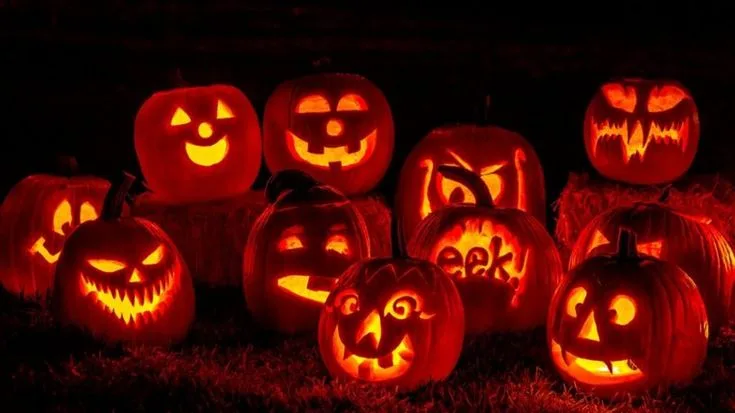
The story of the jack-o-lantern is closely linked to an Irish folklore character known as Stingy Jack. According to the legend, Jack repeatedly tricked the devil. When he eventually died, however, he was accepted neither into heaven nor hell.
Instead, Jack was condemned to wander the earth in darkness. The devil gave him a burning ember, which Jack placed inside a hollowed-out turnip to create a makeshift lantern. This gave rise to the name Jack of the Lantern, which eventually became jack-o-lantern.
The story became connected with Halloween traditions in Ireland and Scotland, where people carved frightening faces into turnips and other vegetables. These lanterns were placed near homes or entrances, partly to frighten away wandering spirits.
The custom also had links with Samhain, the Celtic festival marking the end of the harvest and the beginning of the Celtic new year. During the autumn celebrations, people used candles or burning coal inside hollowed vegetables as simple sources of light. The belief that the boundary between the living and the dead became weaker around this time also helped give the practice its supernatural character.
How Ireland’s famine helped take the tradition to America
The modern pumpkin jack-o-lantern has an unexpected connection with Ireland’s Great Famine of the 1840s.
Between 1845 and 1849, Ireland was devastated by potato blight caused by Phytophthora infestans. Potatoes were a staple food for a large section of the population, and repeated crop failures contributed to widespread starvation, disease and mass migration. More than a million people died, while another million or more left Ireland.
A large number of Irish migrants settled in the United States. They brought their customs and Halloween traditions with them, including the practice of carving vegetables into lanterns.

But there was a practical problem. Turnips, which had traditionally been used in Ireland, were not as suitable or readily available in the United States. American pumpkins, on the other hand, were larger, plentiful during autumn and much easier to hollow out and carve.
The pumpkin therefore gradually replaced the turnip as the preferred material for jack-o-lanterns. What began as an Irish tradition involving root vegetables became one of the defining images of American Halloween. The National Museum of Ireland also describes the pumpkin as an American development of the Irish turnip-lantern tradition.
The microbial story does not end there
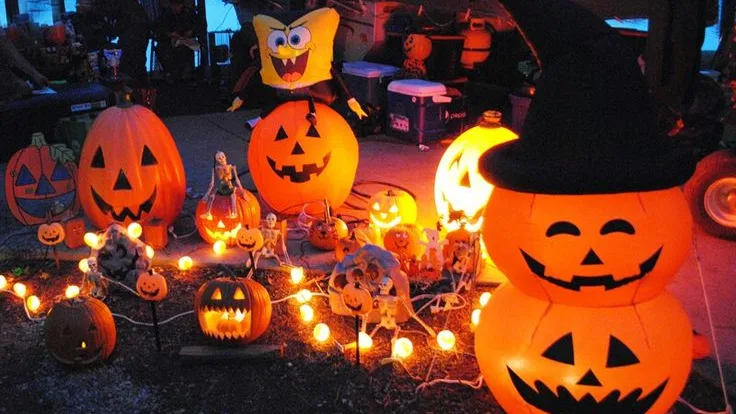
There is another twist to the story. Pumpkins themselves can become vulnerable to microorganisms after they are carved and left outside for extended periods.
A 2006 study examining Halloween pumpkins in Northern Ireland found significant fungal deterioration. Researchers identified several types of fungi, including Penicillium, Gibberella, Mucor, Nectria and Fusarium. Some of these fungi can cause infections in people with weakened immune systems.
That does not mean people need to abandon the Halloween tradition. But mouldy or visibly decomposing pumpkins should be discarded, particularly in places such as healthcare settings where vulnerable people may be exposed to fungal spores.
Also Read | Craving rolls this Puja? 7 Kolkata spots for their authentic chicken and mutton rolls
So, the glowing pumpkin sitting outside a home today carries a much longer history than it might appear to. Its story stretches from Irish folklore and Samhain to the Great Famine, migration and American Halloween culture. The pumpkin may now be the face of Halloween, but its roots can be traced back to a much humbler vegetable: the Irish turnip.