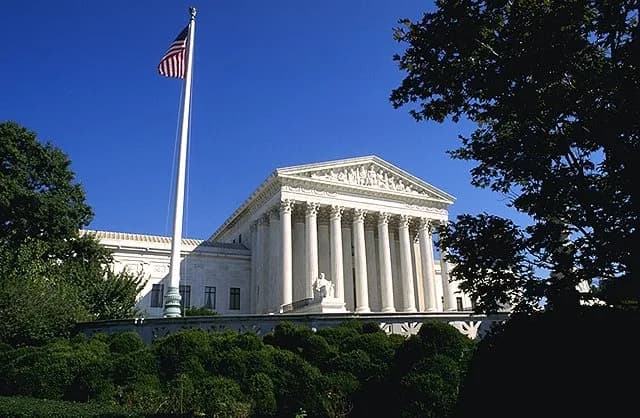












The US Supreme Court on Monday, November 2, rejected President Donald Trump’s administration’s emergency request to stop California from counting mail-in ballots linked to more than 20,000 registered voters flagged by federal officials as “likely” non-US citizens.
The decision came a day before the November 3 midterm elections, with control of Congress at stake. California can continue processing ballots under its existing election rules.
BREAKING: The U.S. Supreme Court has STRUCK DOWN the Trump administration’s emergency petition to require California to segregate ~20K ballots from alleged noncitizens for citizenship verification. “Justice Elena Kagan denied the request without comment, did not refer to the other justices.” OUTRAGEOUS. The Court offered no explanation and no noted dissents—on the eve of the election. Lower courts had already blocked it. How can Americans trust elections when DEEP-BLUE states refuse basic citizenship verification of their voter roll?!?!
— RedWave Press (@RedWavePress) November 2, 2026
Also Read | Poland steps up security on Kaliningrad border over fears of armed incursions
Names flagged, questions unanswered
The case is not a finding that 20,000 people voted illegally. Federal officials have identified voters whose citizenship they say needs to be checked.
The list was compiled by the Department of Homeland Security (DHS) and sent to California and Los Angeles County. The Justice Department says the names belong to people who are likely noncitizens and were sent mail ballots.
California questioned the list’s reliability and sought details about how federal agencies reached their conclusions. The list has not been made public.
The ballot takes a legal turn
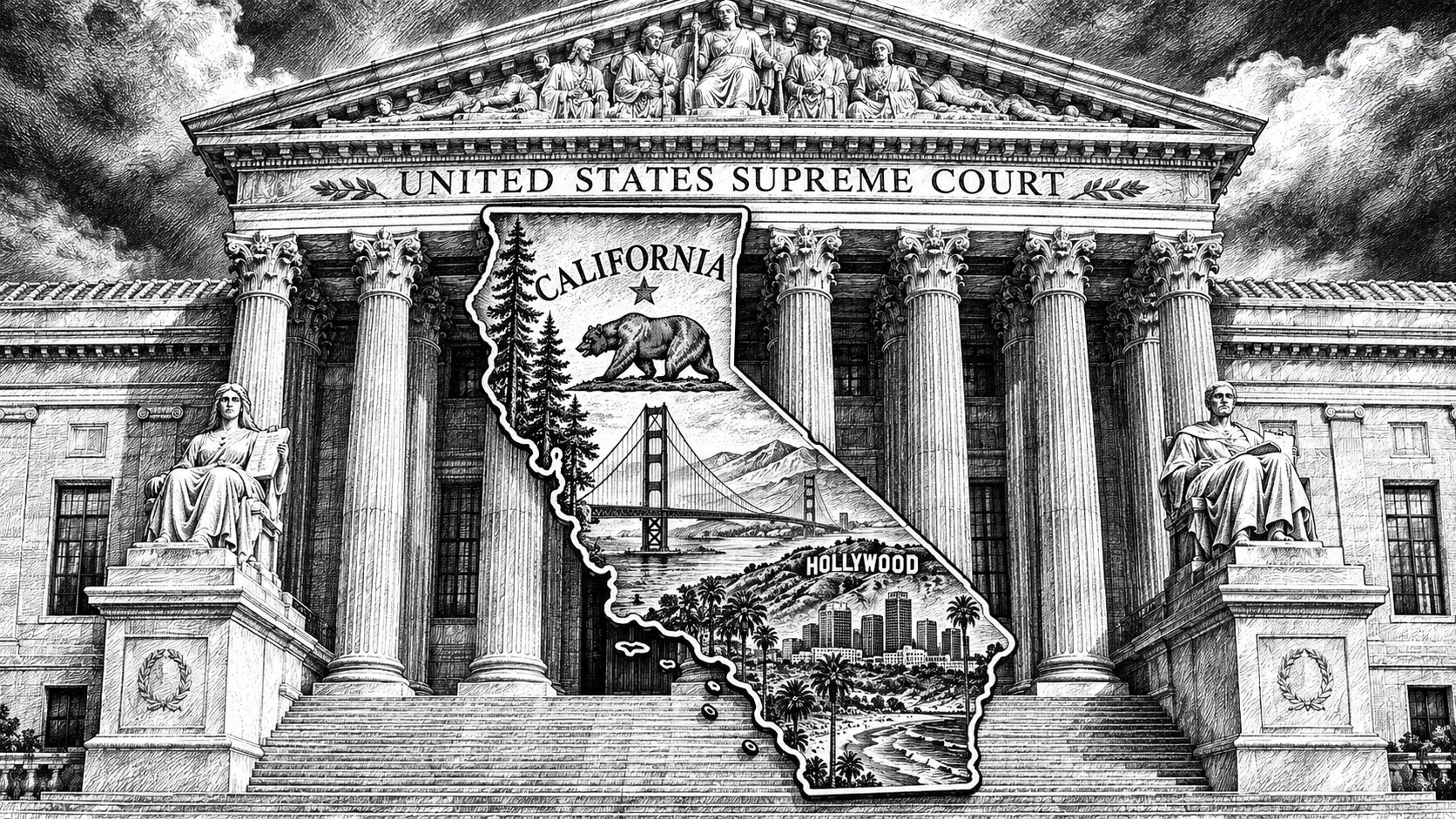
The dispute began after California mailed ballots to all registered voters on October 1, as required under state law.
On October 12, federal officials sent the state a list of more than 20,000 names and asked it to set aside ballots returned by those voters until their citizenship could be verified.
The Justice Department filed a lawsuit on October 15, arguing that California was failing to enforce federal law by refusing to follow that request. It asked the court to block the state from counting the ballots in the meantime.
The constitutional tug-of-war
At the heart of the case is a distinction between who can vote and who runs elections.
Federal law makes it a crime for noncitizens to vote in federal elections. The Trump administration argued that federal authority to enforce that law should override California’s procedures.
It relied on the Constitution’s Supremacy Clause, under which federal law takes precedence where state and federal laws conflict.
California said its own laws also bar noncitizens from voting and that it already has safeguards to check voter eligibility.
The Constitution gives states primary responsibility for administering elections, including registration, ballot processing and counting, while allowing Congress to set federal rules.
That division became central to the court fight. On October 28, US District Judge David Carter rejected the administration’s first request to freeze the ballots.
He questioned the reliability of the government’s list and warned that separating ballots so close to Election Day could disrupt the process and risk excluding eligible citizens.
By then, more than 3.7 million Californians had voted and over 500,000 ballots had been processed, according to court filings.
The judges have their reservations
The US Court of Appeals for the Ninth Circuit rejected the administration’s renewed emergency request on October 30.
The judges said the government had not shown that the law and facts clearly justified such an extraordinary intervention during an ongoing election.
The court noted that federal law criminalises noncitizen voting but does not require states to segregate ballots based on a federal list or authorise the Justice Department to take charge of an active state election.
It also noted that the government had not provided an error rate or reliable validation for its list. The court warned of a “material risk” that eligible voters could be disenfranchised and that late changes could disrupt election administration.
Also Read | Britain may apologise for slave trade, but will it pay reparations?
A narrow ruling, not the last word
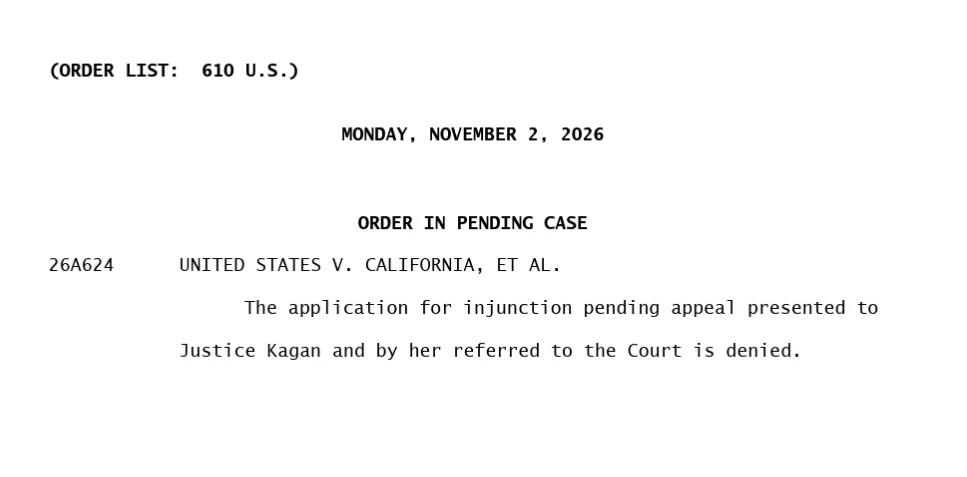
The Supreme Court’s brief, one-sentence order on November 2 did not explain its reasoning. No justice publicly dissented.
The decision does not change the federal prohibition on noncitizens voting in federal elections, nor does it establish the citizenship status of anyone on the list.
It only denies the administration’s immediate request to stop California from counting the ballots. The state can therefore proceed under its existing rules as voters head to the polls on November 3.
The wider dispute over the federal government’s list and its role in state election procedures may continue.