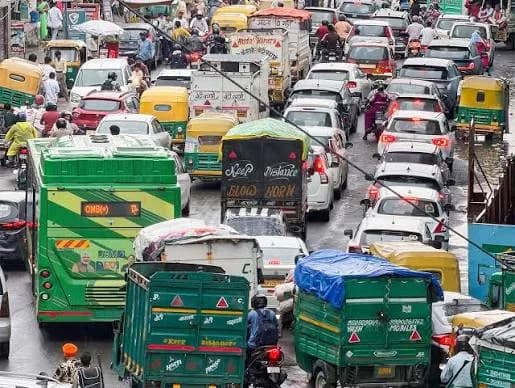








Delhi is tightening its winter pollution measures, with new vehicle-entry restrictions coming into force from November 1 under the revised Graded Response Action Plan (GRAP). The Delhi pollution restrictions will particularly affect vehicles registered outside the national capital that do not meet BS-VI emission standards. The restrictions are scheduled to remain in force until at least January 31, 2027, unless exemptions are notified.
The Commission for Air Quality Management (CAQM) had already invoked Stage I of GRAP on October 21 after Delhi’s air quality slipped into the ‘Poor’ category. The revised framework brings certain vehicle-related restrictions into an earlier stage, while also allowing authorities to act on air quality forecasts instead of waiting for pollution levels to cross specified thresholds.
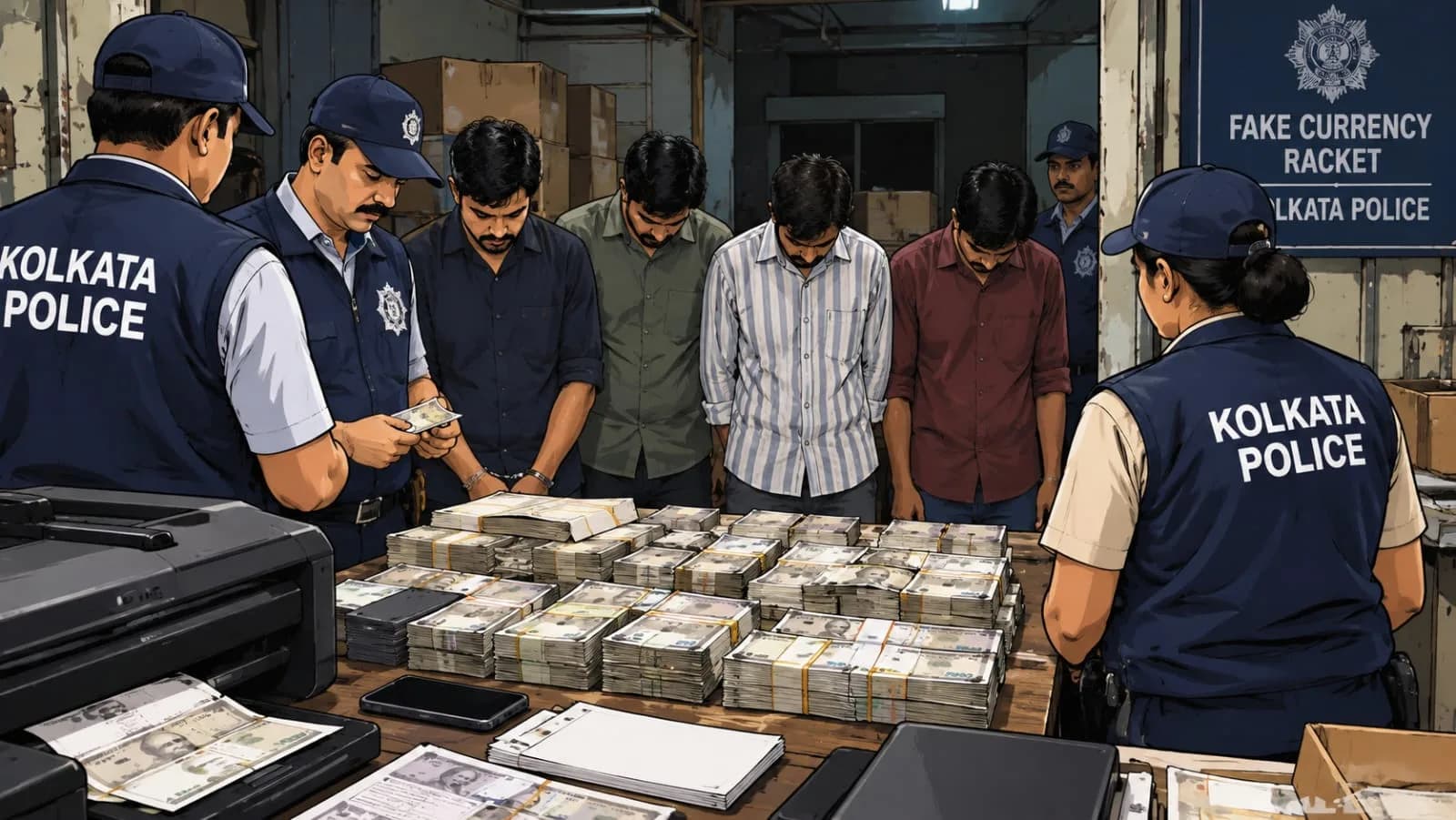
For motorists entering Delhi, checking vehicle emission standards, permit documents and Pollution Under Control certificates will be important. Border checks are expected to use automatic number plate recognition and RFID technology to identify vehicles covered by the restrictions.
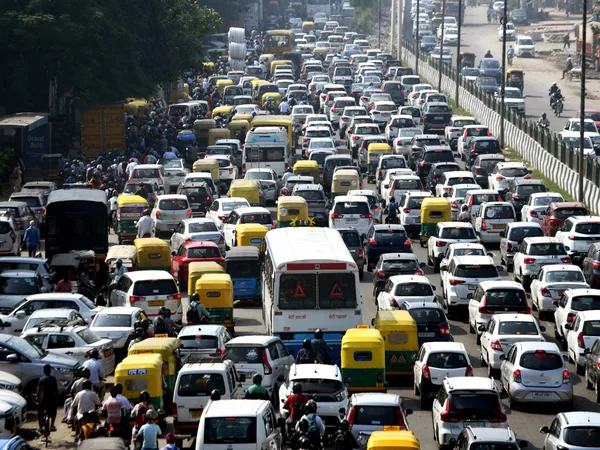
Delhi pollution restrictions: What changes from November 1?
The most significant change concerns vehicles registered outside Delhi. Petrol and diesel vehicles that do not comply with BS-VI emission norms will not be allowed to enter the capital from November 1, 2026, until January 31, 2027, subject to any notified exemptions.
The Delhi pollution restrictions will also apply to commercial goods vehicles registered outside the capital if they are not BS-VI compliant. Buses entering Delhi under different permit categories, including tourist and contract carriage permits, will have to operate on BS-VI diesel, CNG or electricity.
From 1 November 2026, vehicle entry into Delhi will be restricted under the revised GRAP rules. ✅ Allowed: BS-VI, CNG, electric and exempted vehicles, subject to applicable rules. ⛔ Restrictions apply to: * Vehicles below BS-VI standards * Vehicles without a valid PUCC * Non-compliant interstate buses * Trucks not destined for Delhi (use peripheral expressways) * Tractors and jugaad vehicles, as applicable * Certain vehicles registered outside Delhi 📅 Check your vehicle’s eligibility before travelling and follow official traffic advisories. 📞 Traffic Helpline: 011-25844444 / 1095 #DTPUpdates #GRAP2026
— Delhi Traffic Police (@dtptraffic) October 29, 2026
Trucks travelling through Delhi to reach destinations elsewhere have been directed to use the peripheral expressways. The revised framework also removes an exemption for certain goods vehicles carrying essential commodities under GRAP Stages III and IV.
The rules further extend Stage III restrictions on BS-III petrol and BS-IV diesel light motor vehicles to Sonipat in Haryana. Certain restrictions on older interstate buses have also been shifted from Stage II to Stage I, allowing authorities to enforce them earlier.
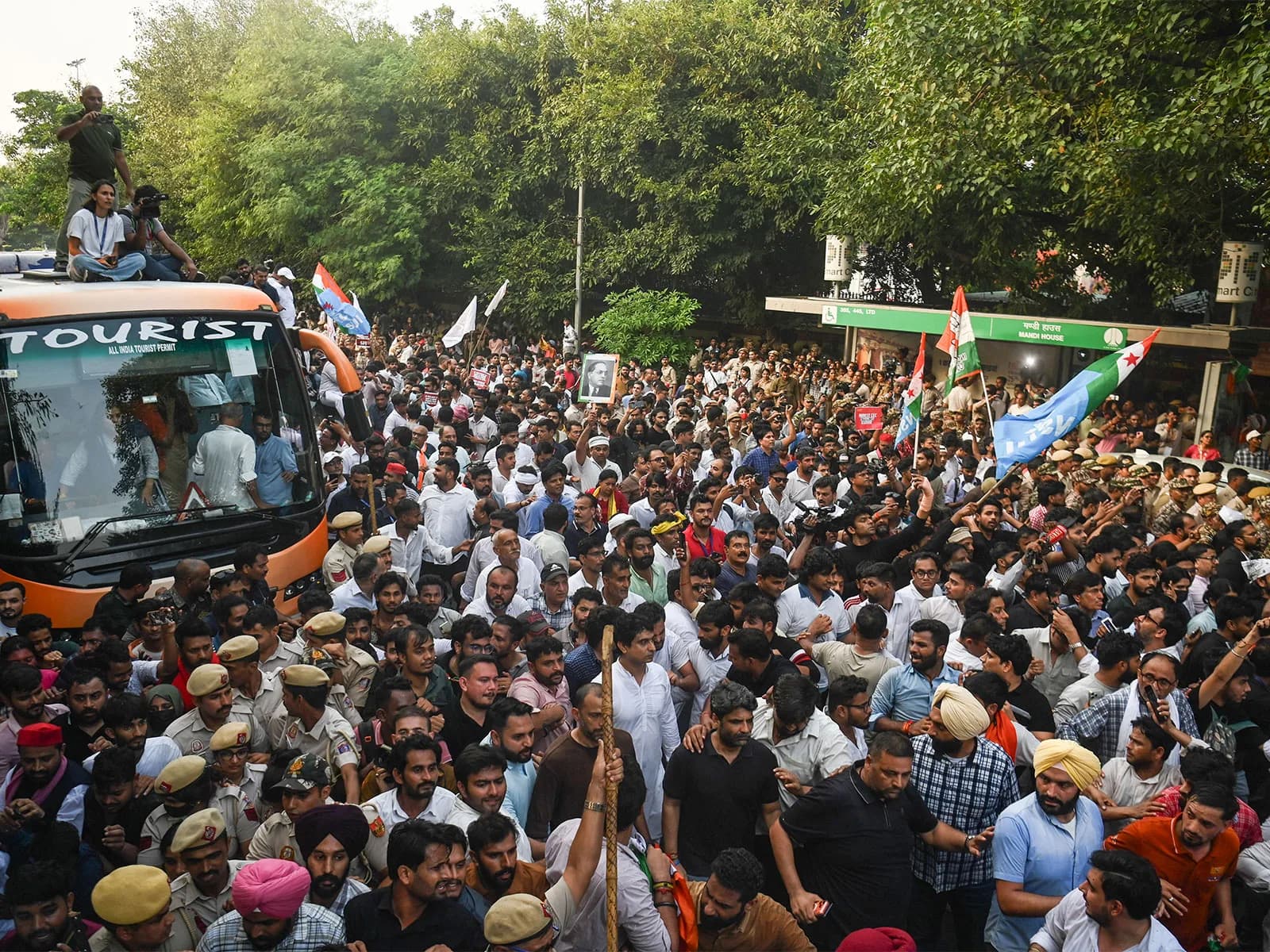
Also Read | Rahul Gandhi urges INDIA bloc rally attendees to help Delhi traders with festive shopping
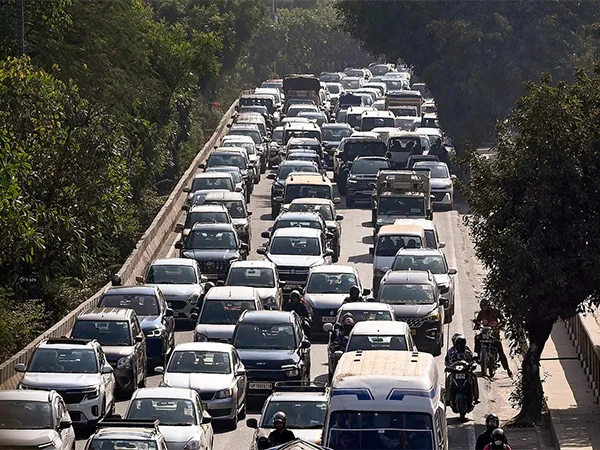
Which vehicles are allowed and which face entry restrictions?
The revised Delhi pollution restrictions do not apply uniformly to every vehicle. BS-VI-compliant vehicles, electric vehicles and CNG vehicles are exempt from the specific border-entry restriction on non-compliant private vehicles registered outside Delhi.
Delhi-registered commercial goods vehicles are also exempt from the restriction introduced under this order. Goods vehicles running on BS-VI diesel, CNG, LNG or electricity can enter the capital under the stated provisions. Buses registered in Delhi are exempt as well.
However, these exemptions do not mean that vehicles are free from every pollution-related restriction. Stage-wise GRAP measures on goods vehicles will continue to apply whenever a particular stage is invoked.
A valid Pollution Under Control certificate is another important requirement. According to the traffic advisory cited in the report, vehicles without a valid PUC certificate may also face restrictions.
The Delhi pollution restrictions therefore require commuters and commercial operators to check both their vehicle’s emission category and the documents applicable to their journey. Motorists travelling from neighbouring states should verify whether their vehicle falls within an exempt category before entering Delhi.
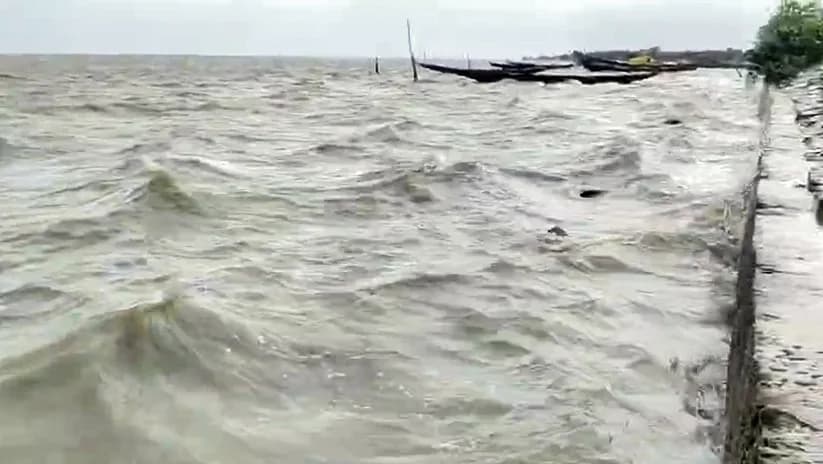
Also Read | Another cyclone threat after Arnab as Bay of Bengal system intensifies
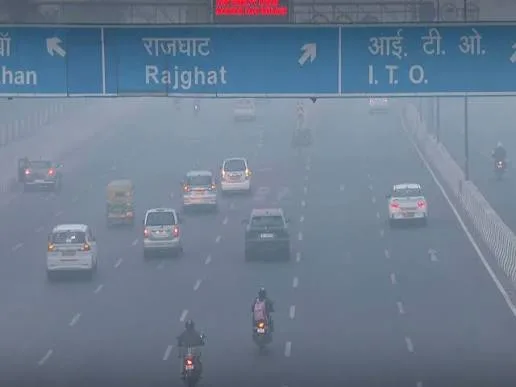
Revised GRAP allows action based on pollution forecasts
The revised GRAP framework also changes how authorities decide when to impose restrictions. Earlier, action was generally linked to the actual Air Quality Index (AQI) reaching a particular threshold. Under the revised system, authorities can invoke measures in advance when forecasts indicate that pollution is likely to reach a specified level and remain there for a sustained period.
The Delhi pollution restrictions form part of this wider effort to prevent air quality from deteriorating further. The CAQM’s sub-committee will use daily forecasts and weather-related assessments to decide when different stages should be activated. If pollution unexpectedly crosses a threshold because of extreme meteorological conditions or a sudden event, the relevant measures can be imposed immediately.
GRAP has four stages. Stage I applies when the AQI is between 201 and 300, classified as ‘Poor’. Stage II covers the ‘Very Poor’ range of 301 to 400, while Stage III applies to ‘Severe’ air quality between 401 and 450. Stage IV is triggered when the AQI crosses 450. Measures from earlier stages continue when a stricter stage is imposed.
Delhi’s AQI rose from 179, in the ‘Moderate’ category, on October 20 to 244, in the ‘Poor’ category, at 2 pm on October 21, according to CAQM. This prompted the first Stage I invocation of the winter season.
The administration will monitor compliance through border checks, technology and regular reviews. The Delhi pollution restrictions will be reviewed alongside prevailing air quality and forecasts, with senior officials in Delhi and other NCR states expected to oversee implementation.