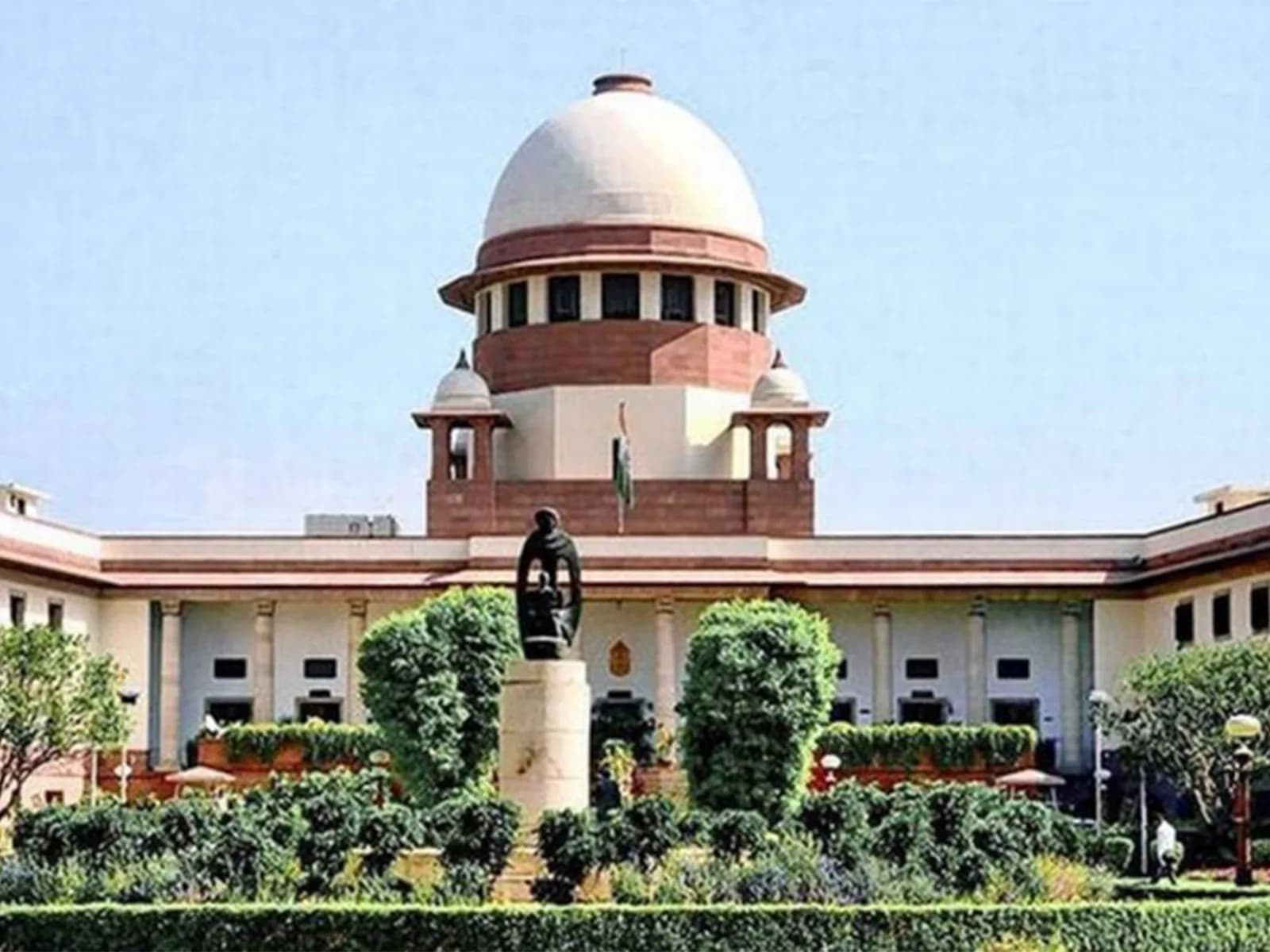








The Supreme Court on Monday declined an urgent hearing request on a public interest litigation seeking a cap on domestic airfares during festive periods, holidays and emergencies. The petitioner claimed that airlines had increased ticket prices by as much as 700 per cent over normal fares ahead of Diwali. Responding to the request for an early hearing, Justice Vikram Nath remarked, “Don’t travel by air,” before asking for the next case to be presented.
The petition argues that steep and arbitrary increases in airfares violate the right to equality under Article 14 of the Constitution. However, the bench was not persuaded to advance the hearing, noting that the matter was already scheduled to be taken up on November 16.
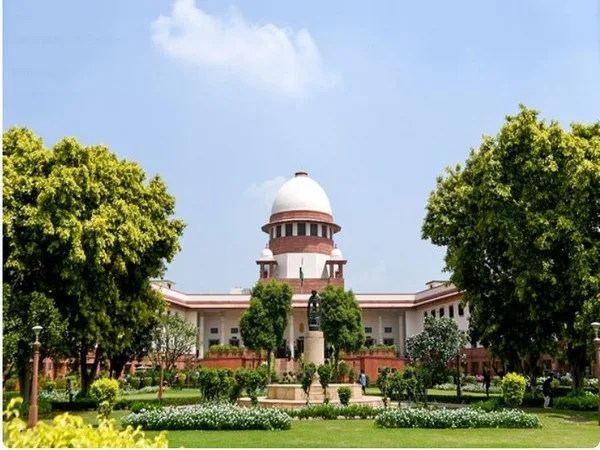
Supreme Court airfare plea seeks cap on festive ticket prices
The public interest litigation challenges what it describes as exorbitant and arbitrary pricing by private airlines during periods of high demand. The petitioner argued that air travel has become an essential service and that passengers should not face excessive fare increases during festivals, holidays or emergencies.
The counsel told the court that domestic airfares had risen by around 700 per cent compared with normal prices. The plea seeks judicial intervention to prevent airlines from imposing what it calls unreasonable increases, particularly when passengers have limited alternatives during peak travel periods.
The petitioner also sought an early hearing, given the ongoing festive season and the alleged impact of high ticket prices on travellers. However, Justice Nath rejected the request, pointing out that the matter was already listed for November 16.
The Supreme Court ‘s brief exchange brought the immediate hearing request to an end, although the larger challenge to airline pricing remains pending.
Also Read | 9 key changes in Delhi’s winter pollution rules as vehicle curbs begin on November 1
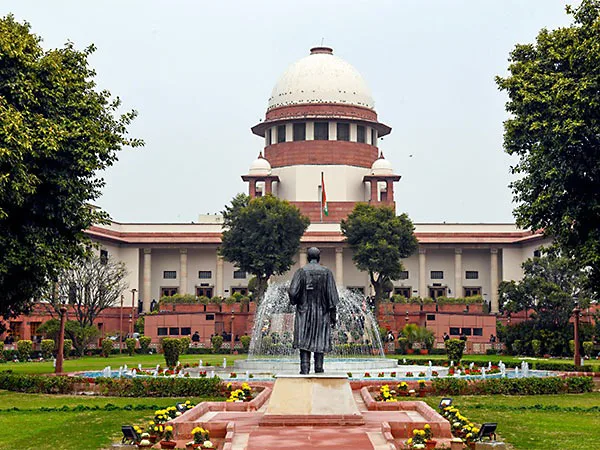
Centre says new aviation rules will allow airfare intervention
The Supreme Court airfare plea comes amid the Centre’s efforts to introduce a regulatory framework for ticket pricing. During an earlier hearing in October, the government informed the court that administrative approval had been granted for new aviation rules under the Bharatiya Vayuyan Adhiniyam, 2024.
The proposed rules were expected to be published within two weeks. The bench had asked the Centre to place the rules before it before the next hearing on November 16.
The Centre has since notified rules allowing it to intervene in airline ticket pricing in extraordinary circumstances and in the public interest. The regulatory framework could give the government a mechanism to address unusually high fares under specified conditions.
The November 16 hearing is expected to provide an opportunity for the Supreme Court to examine the government’s position and the regulatory measures introduced to address the concerns raised in the petition.
Also Read | Rahul Gandhi urges INDIA bloc rally attendees to help Delhi traders with festive shopping
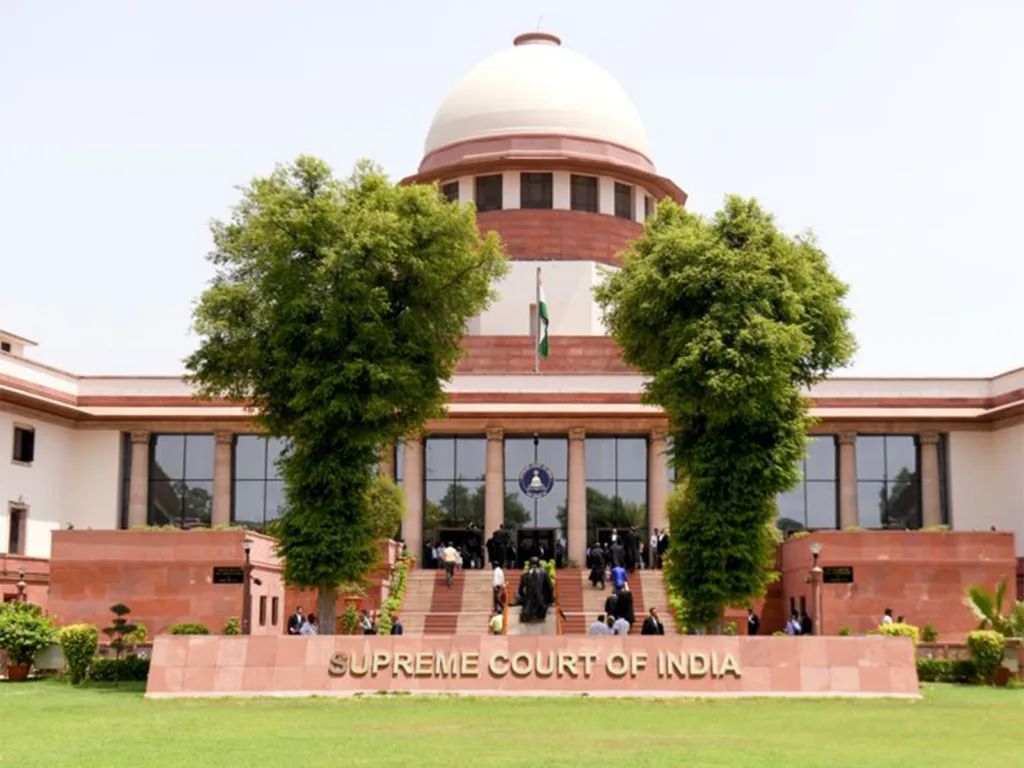
Rising fuel costs add pressure on airline ticket prices
The debate over airfare regulation is unfolding against a backdrop of rising operating costs for airlines. Aviation turbine fuel (ATF) prices have increased amid volatility in global crude oil markets following the conflict involving the United States, Israel and Iran.
IndiGo CEO Willie Walsh said airfares could rise further because of record-high ATF prices. He said airlines were attempting to absorb as much of the additional cost as possible while protecting their financial stability.
Fuel accounts for around 32 per cent of an airline’s operating costs, according to the report. Walsh also pointed to high airport charges and taxes as factors adding to the industry’s financial burden. He called for lower taxes and airport charges to ease pressure on airlines.
The Supreme Court’s airfare plea therefore brings two competing concerns into focus: passengers’ demand for affordable tickets during peak travel periods and airlines’ argument that higher operating expenses affect their pricing decisions.
The Supreme Court is scheduled to hear the matter on November 16. Until then, the question of how far the government can intervene in domestic airfare pricing remains central to the dispute.