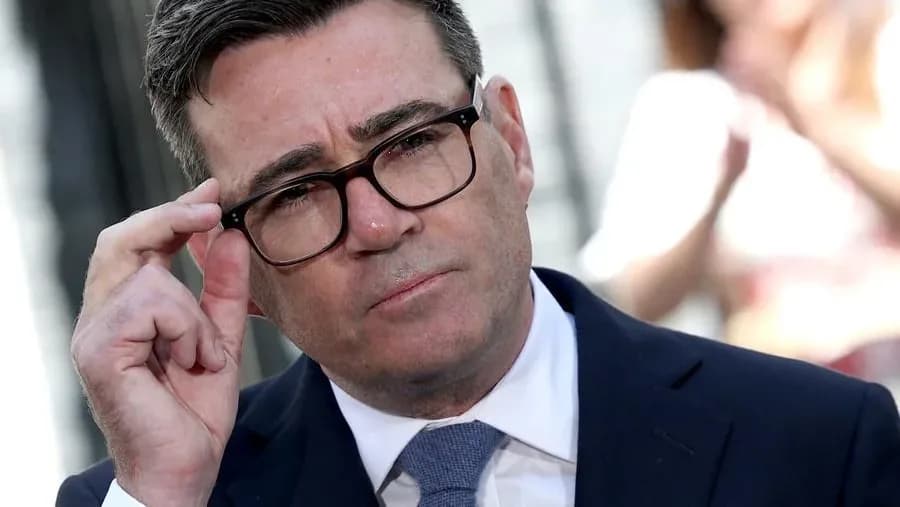









British Prime Minister Andy Burnham has opened the door to discussions about a formal apology for the United Kingdom’s role in the transatlantic slave trade. But he has ruled out financial reparations.
His position comes just before Commonwealth leaders meet in Antigua and Barbuda, where Caribbean countries are expected to press the issue.
WHAT SHOULD WE APOLOGISE FOR? Duncan Barkes and Philip Kiszely react after Andy Burnham signalled he is open to calls for a formal apology over Britain’s role in the slave trade, sparking a fierce debate over whether modern Britain should apologise for its past. @DuncanBarkes @KiszelyPhilip #NYI
— NewYork-Insight (@NewYork_Insight) October 31, 2026
Also Read | Cristiano Ronaldo 15 goals away from 1,000-career goal record: Can he complete it before the end of 2026?
Talks first; the apology can wait
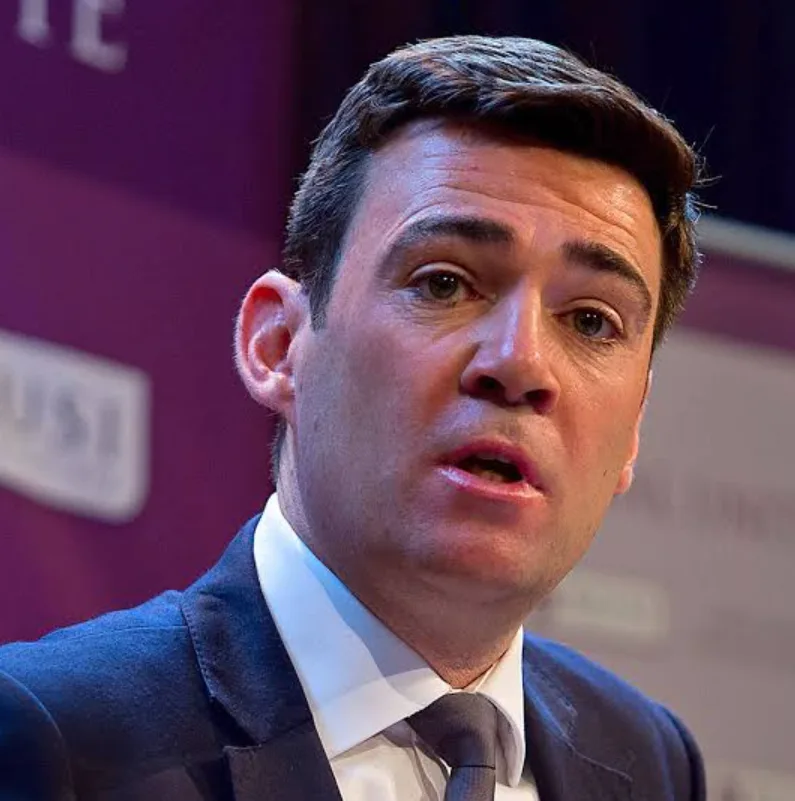
Burnham set out his position in an article for The Guardian. He said the British government was offering “a structured dialogue with those affected by the transatlantic slave trade”.
Listening to calls for a formal apology on behalf of the British state, he added, would be an important part of the process. He said he was “open to them” and expressed “sorrow and regret” for the suffering of millions of enslaved people.
But this is an invitation to discuss an apology, not a promise to issue one.
A legacy counted in millions
The debate is rooted in the scale and legacy of the transatlantic slave trade. Between the 15th and 19th centuries, European traders forcibly transported millions of Africans to the Americas and the Caribbean.
They were sold and forced to work, particularly on plantations. At least 12.5 million Africans were abducted and sold into slavery.
Britain transported an estimated 3.2 million people across the Atlantic, according to the Transatlantic Slave Trade Database. The trade generated wealth for merchants, plantation owners, financiers and businesses in Britain.
Freedom came, compensation went elsewhere
Britain’s abolition process did not happen in one step. Parliament abolished the British slave trade in 1807, but slavery continued in its colonies.
The Slavery Abolition Act was passed in 1833 and took effect in 1834.
Many formerly enslaved people were then made to work under an apprenticeship system until it ended in 1838. The government paid £20 million in compensation to slave owners.
The formerly enslaved received nothing. The Bank of England says the payment was added to the national debt, with the final repayment made in 2015.
The Caribbean’s case goes beyond compensation
This history is central to the reparations campaign. For Caribbean governments and campaigners, reparatory justice is not limited to a single payment.
The Caribbean Community, or CARICOM, has a 10-point plan. It calls for a formal apology, repatriation, support for Indigenous communities, investment in health and education, cultural programmes and debt cancellation, alongside monetary compensation.
CARICOM leaders approved a revised version of the plan in July 2026. They argue that the consequences of slavery and colonial exploitation did not end with emancipation. They continue to shape economic and social conditions in the region.
BURNHAM OPEN TO FORMAL APOLOGY FOR BRITAIN’S ROLE IN SLAVE TRADE Andy Burnham says he is “open” to calls for Britain to formally apologise for its role in the slave trade, as the debate resurfaces during the King’s Caribbean tour. Royal correspondent @laurabundock describes the comments as a significant moment. #NYI
— NewYork-Insight (@NewYork_Insight) October 31, 2026
Debt relief, not historical liability
Burnham rejects the argument that people in Britain today should be financially liable for those historical acts.
“I do not think that British people today can be held liable for historical wrongs, however heinous, that happened in a different age under different laws and in which they played no personal part,” he wrote.
Instead, he has proposed an international drive to ease the debt burden of poorer Commonwealth countries. The plan would extend repayment periods and secure better interest rates.
Former prime minister Gordon Brown is expected to help lead the initiative.
Antigua and Barbuda’s Prime Minister Gaston Browne welcomed the proposal but said the Caribbean’s position on reparatory justice remained unchanged.
Also Read | Scientists discover 1,500 km-wide object beyond Pluto, could it be a new dwarf planet?
A royal visit with history in tow
The issue will follow Burnham and King Charles III to the Commonwealth Heads of Government Meeting in St John’s, Antigua and Barbuda, from November 1 to 4.
The King has acknowledged the “great suffering and injustices of the past” during his Caribbean tour. But Buckingham Palace has said he will not issue a formal apology.
It has also said that questions about reparations are for the British government.
Activists are planning protests and vigils around the summit. They want to keep reparatory justice on the agenda.
The meeting brings together leaders from 56 Commonwealth countries, many of them former British colonies.