
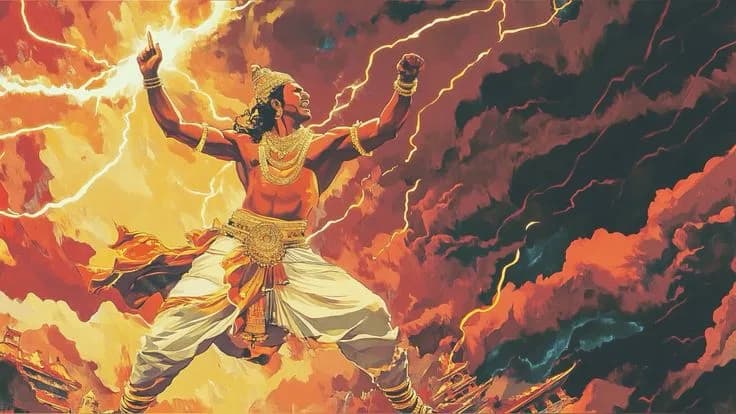




While Dussehra across much of India is associated with the burning of Ravana’s effigy, there is a village in Uttar Pradesh where the tradition takes a very different turn. In Bisrakh, near Greater Noida, locals believe Ravana was born here and regard him as an ancestor rather than simply the villain of the Ramayana.
The village’s connection with Ravana is deeply rooted in local folklore. Bisrakh is believed to have been named after Rishi Vishrava, Ravana’s father. According to the tradition followed by residents, Vishrava lived and worshipped Lord Shiva in the area, where Ravana and his siblings were later born.
A village that does not burn Ravana
The most striking feature of Bisrakh’s Dussehra tradition is that Ravana’s effigy is not burnt.
Instead, villagers conduct prayers and yajna rituals and seek blessings from Ravana. Residents consider him a learned Brahmin, a devoted follower of Lord Shiva and an important figure in their own local history.
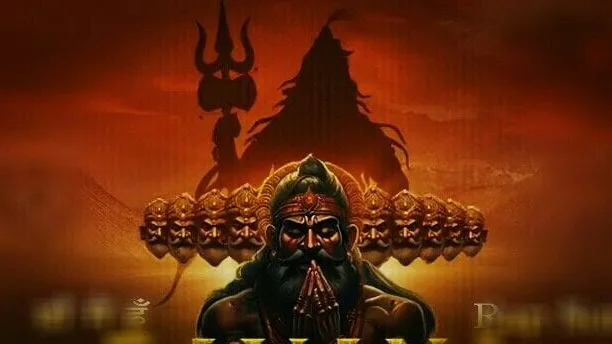
The tradition is particularly significant on Vijayadashami, when the rest of the country marks Lord Rama’s victory over Ravana. In Bisrakh, however, the day is observed through worship rather than Ravana Dahan.
The ancient Shiva temple at the heart of the legend
The village’s Ravana connection is closely linked to its Shiva temple. Local belief holds that Rishi Vishrava established and worshipped a Shiva lingam here, which Ravana also worshipped.
The temple is therefore not simply associated with Ravana but is primarily a centre of Shiva worship. According to local accounts, Ravana is believed to have performed intense penance to Lord Shiva at the site.
Also Read | Masan Thakur the terrifying folk deity linked to Goddess Kali
Some versions of the legend say that Ravana offered his heads to Shiva during his penance. The story is used locally to explain his association with the ten-headed figure depicted in the Ramayana.
Ravana is seen differently here
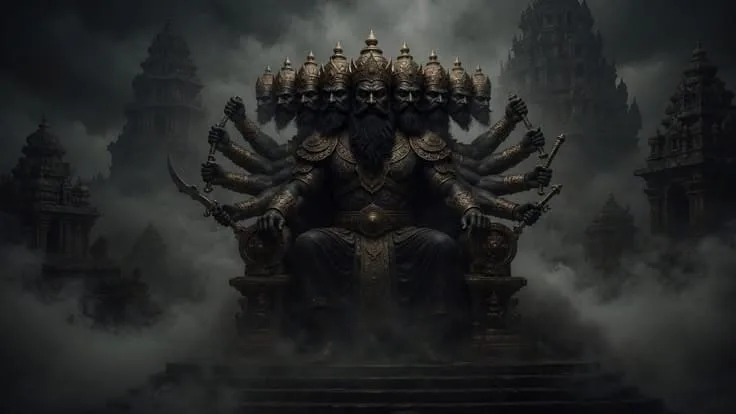
In mainstream retellings of the Ramayana, Ravana is remembered primarily as the demon king of Lanka who abducted Sita and was ultimately defeated by Rama. In Bisrakh, however, local perceptions are more layered.
Residents emphasise his scholarship, his knowledge and his devotion to Shiva. Some refer to him as a learned Brahmin and consider him part of the village’s ancestral tradition.
This distinction has made Bisrakh an unusual destination for visitors interested in mythology, folklore and regional religious traditions.
Why Ravana is worshipped instead of being burnt
Local tradition holds that Ravana’s connection with the village is the reason his effigy cannot be burnt there.
Residents have also preserved stories about earlier attempts to hold Ramleela and burn Ravana’s effigy. According to local accounts, misfortunes followed these attempts, strengthening the belief that Ravana should not be subjected to the ritual of effigy burning in his supposed birthplace. These accounts remain part of local folklore rather than established historical fact.
A different side of the Ravana tradition
Bisrakh offers a striking example of how stories from the Ramayana can acquire different meanings in different parts of India. While Dussehra generally celebrates the triumph of Rama over Ravana, the village’s traditions focus on Ravana’s identity as a scholar, Shiva devotee and believed son of the soil.
Also Read | Why are humans born after 9 months? The ancient beliefs about karma, birth and rebirth
Whether or not the birthplace claim can be historically established, the belief has become an important part of Bisrakh’s cultural identity. Every year, its unusual Dussehra tradition draws attention to a version of Ravana’s story that is markedly different from the one celebrated across most of the country.