
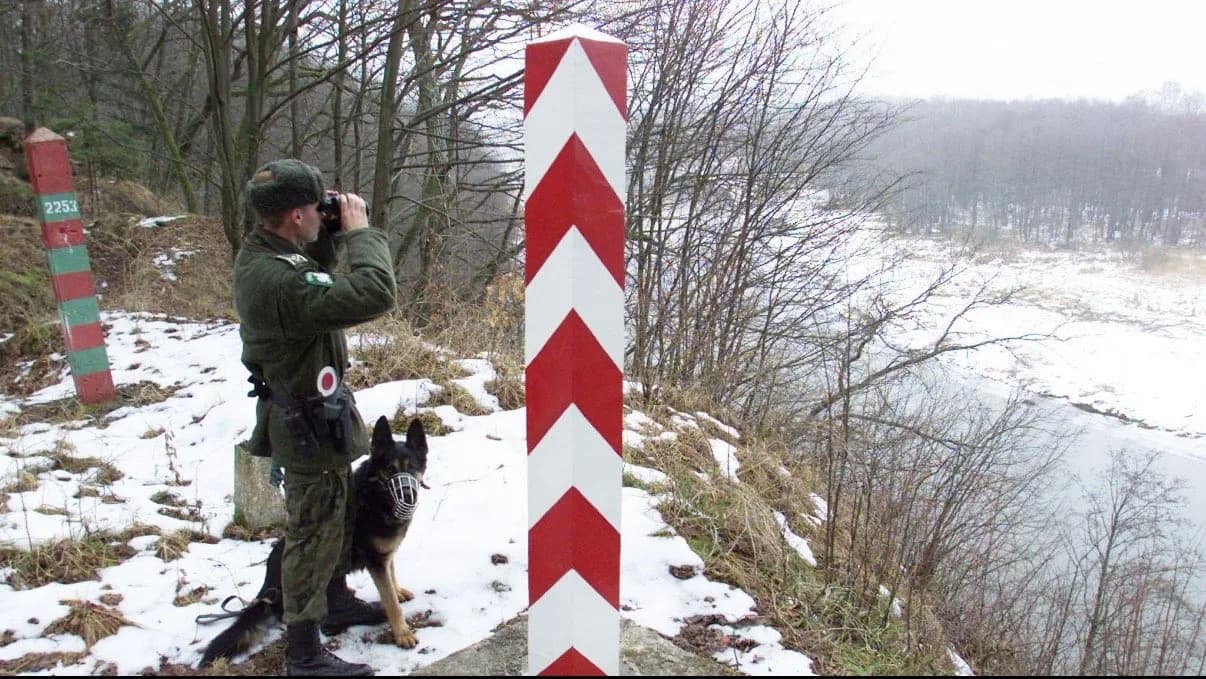















Poland has deployed additional police officers, including counter-terrorism units, along its border with Russia’s Kaliningrad exclave after receiving intelligence warnings of possible sabotage and armed incursions.
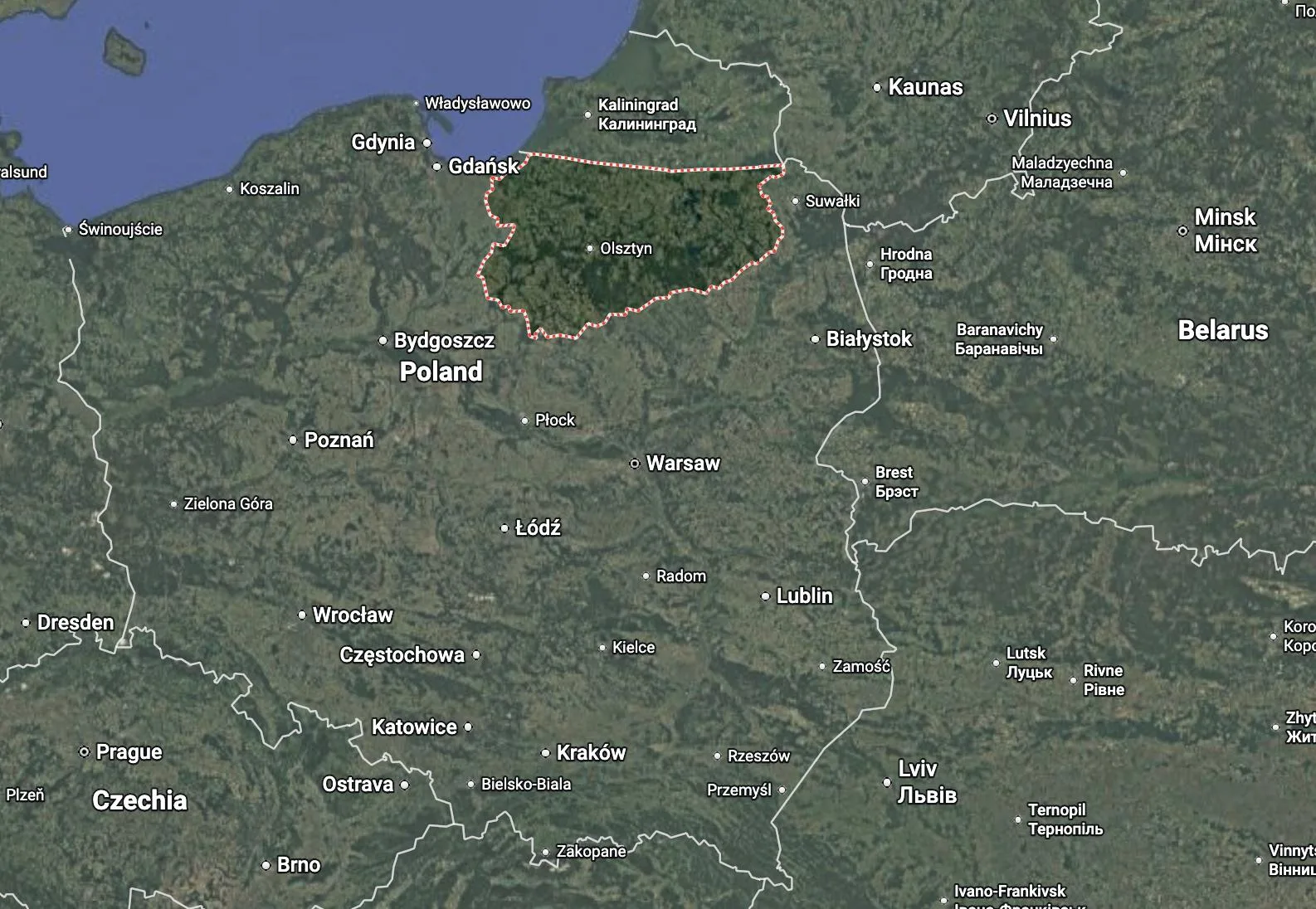
The operation covers the northeastern provinces of Warmian-Masurian and Podlaskie. National Police Chief Marek Boroń confirmed the deployment on November 2.
He said the measures were intended to protect local residents and facilities.
Also Read | Britain may apologise for slave trade, but will it pay reparations?
A Russian exclave on NATO’s eastern doorstep
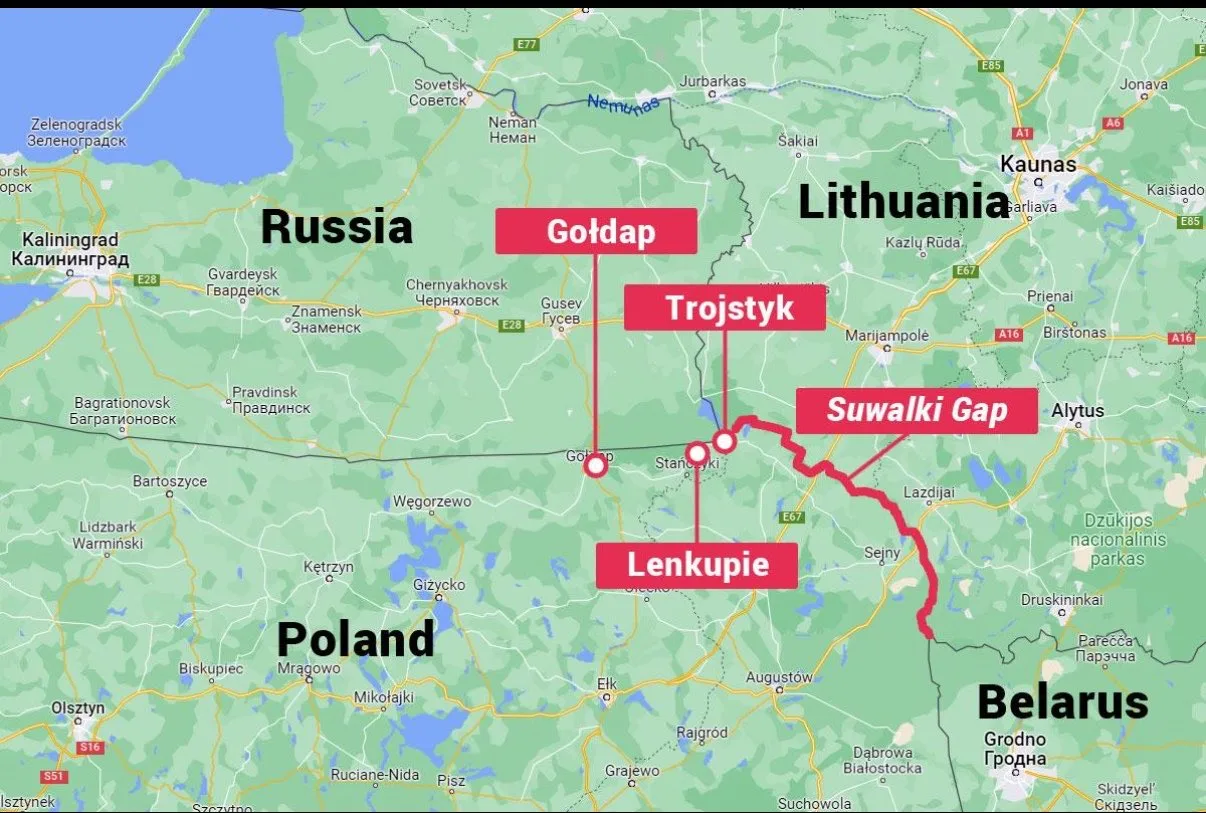
Kaliningrad is a Russian territory on the Baltic Sea that has no land border with mainland Russia. It lies between Poland to the south and Lithuania to the north and east.
Both countries are NATO members, making the area part of the alliance’s eastern frontier. The exclave’s position means security incidents along its borders can carry wider implications for regional stability.
The trigger for the Polish operation was an intelligence warning issued last week. Polish broadcaster RMF, citing unnamed sources, reported that Poland’s Military Intelligence Service and agencies from allied countries had warned of possible sabotage activity along the border in the coming days.
The warning reportedly included the possibility of armed groups attempting to cross into Polish territory from Kaliningrad. The authorities have not publicly disclosed the intelligence in detail or identified any group suspected of preparing such an action.
The security machinery swings into action
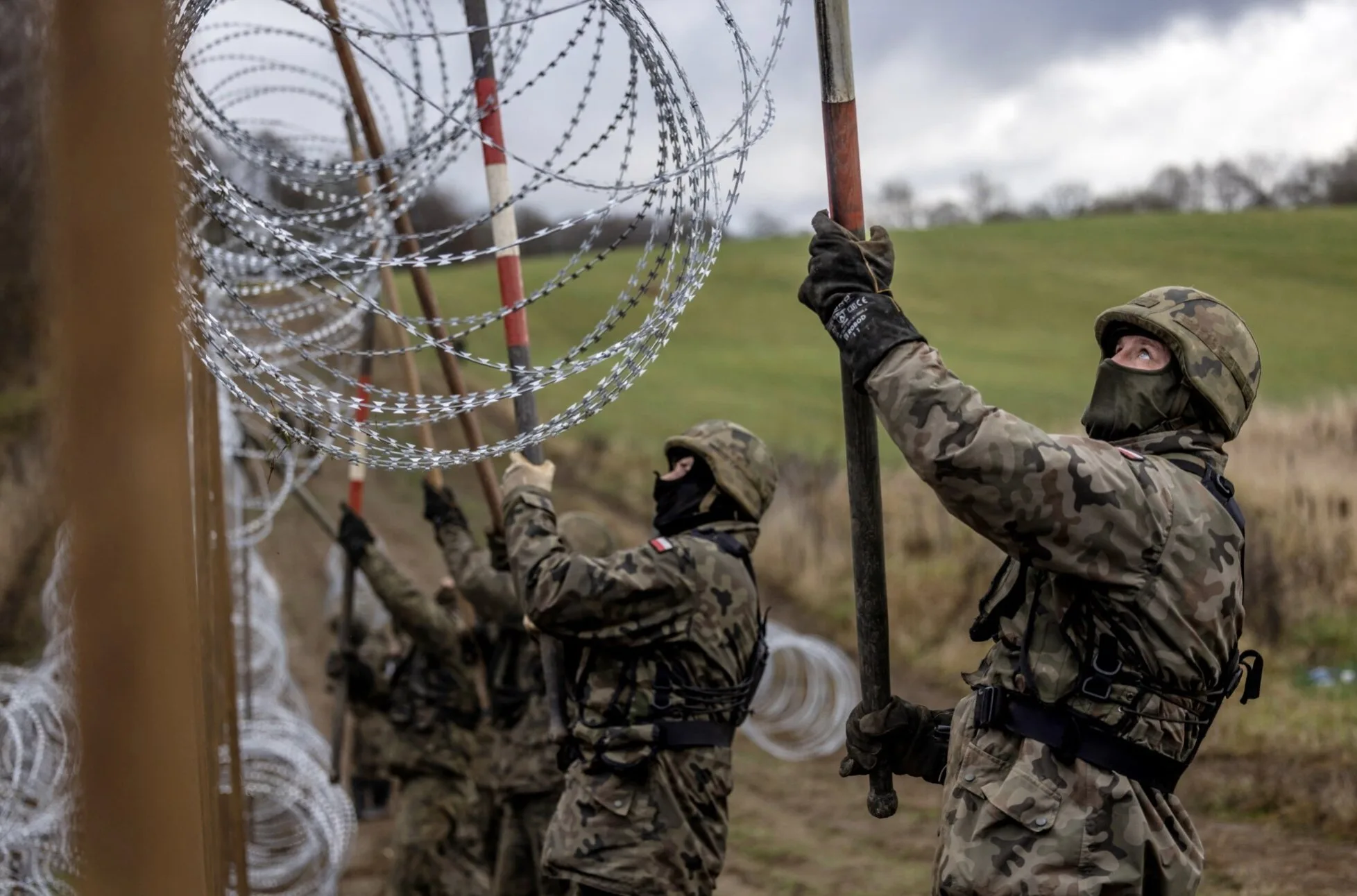
Boroń told RMF that police were preparing for “possible incidents that could lead to acts of sabotage”.
He added, “This is based on information we also have from external security services.”
The operation is being coordinated with the army, Border Guard and intelligence services. A special operational headquarters has been set up at the National Police Headquarters.
Police commands in Olsztyn and Białystok are also involved, and additional officers have been brought in from other parts of the country.
Deputy police commander Tomasz Michułka had ordered officers to remain on “full readiness” from November 2 to 8 because of the “operational situation across the country”.
Police later clarified that the order was linked to threats involving sabotage and subversion. It was not connected to the political confrontation at Poland’s Constitutional Tribunal in Warsaw.
Police spokeswoman Katarzyna Nowak said further details of the operation could not be disclosed because they were confidential.
The figures tell a sobering story
The concern also reflects a pattern of suspected sabotage across Europe since Russia’s full-scale invasion of Ukraine.
A report by the International Centre for Counter-Terrorism, published in February 2026, recorded 151 Russian-linked sabotage incidents across Europe between February 2022 and February 2026.
It identified 31 cases in Poland, the highest number among the countries covered. One was the November 2025 attack on a railway line in Poland, in which Ukrainian nationals were accused of acting on behalf of Russian intelligence.
The report also found that about 95% of identified perpetrators across the cases were ordinary civilians with no formal ties to Russian intelligence.
Also Read | Scientists discover 1,500 km-wide object beyond Pluto, could it be a new dwarf planet?
A warning is not quite an invasion
This is the context in which officials have used the term “hybrid” activity. It refers to hostile actions that fall short of a conventional military attack but can still disrupt public safety, infrastructure or institutions.
Sabotage and covert operations can be part of this approach. In the present case, however, Polish authorities have not reported a confirmed sabotage incident or an armed border crossing linked to the warning.
The additional deployment is a precaution in response to intelligence assessments, not confirmation that an incursion has taken place.