









India’s diverse geography is home to communities whose lives are closely connected to lakes, rivers and tidal waterways. In these places, water is not simply part of the landscape, it can determine how people travel, work, grow food and build their homes.
From the floating phumdis of Manipur to the river islands of Assam, thWhether it’s the floating phumdis of Manipur or the river islands of Assam, such destinations give one a look into the lifestyles of people living in association with water bodies.
Also Read | Darjeeling to Bhutan: The autumn escape that became my favourite journey
Loktak Lake, Manipur
Manipuri Loktak Lake is famed for its characteristic floating mounds of vegetation, soil and organic debris called phumdis.
The inhabitants near the lake have been depending on the lake for their living through fishing in it. Boats play an integral part in daily lives, along with some huts and other constructions scattered about in the lake.
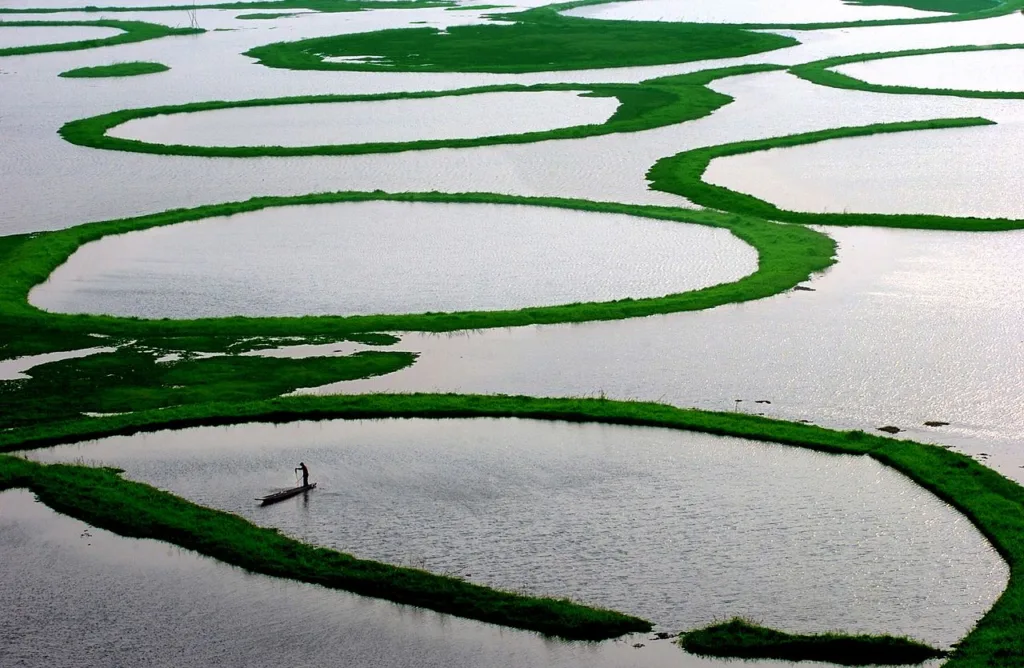
Loktak is also the site of Keibul Lamjao National Park which is the world’s only floating national park. The national park is situated within the phumdis of the lake and it houses the sangai or Manipur brow-antlered deer which is an endangered species.
The combination of floating land, fishing and unique wildlife makes Loktak one of India’s most distinctive water landscapes.
Dal Lake, Srinagar
Srinagar’s Dal Lake is closely associated with its houseboats and colourful shikaras, but the lake also supports livelihoods that go beyond tourism.
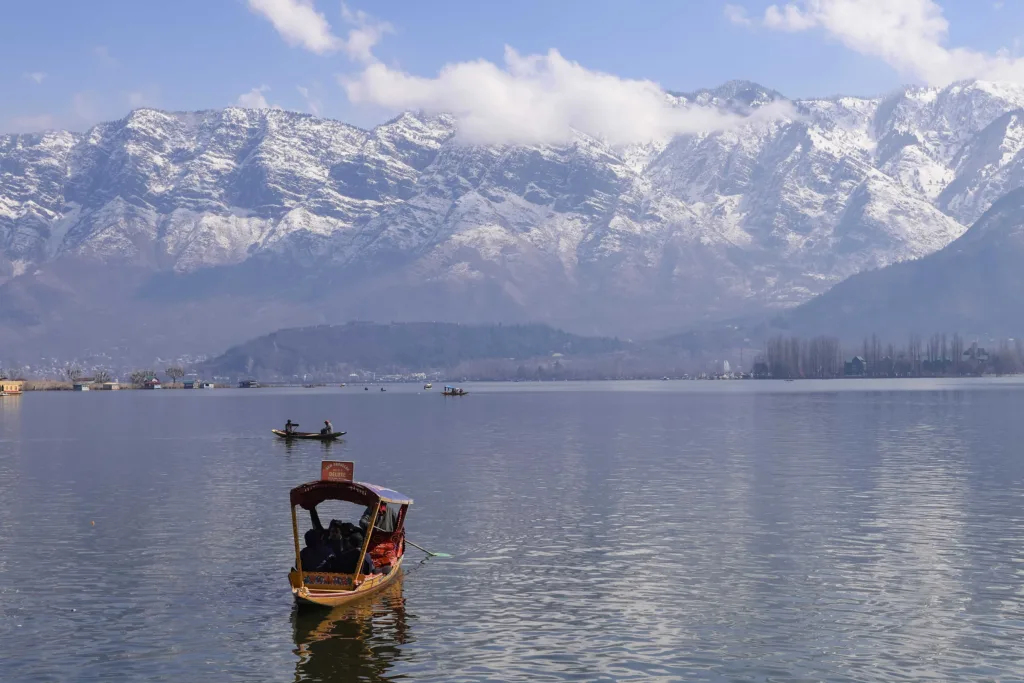
Floating gardens are used to grow vegetables, while boats transport produce across the water and towards markets. The lake’s early-morning vegetable market is among its best-known attractions.
For communities living and working around Dal Lake, fishing, water-based cultivation, transport and tourism have become closely intertwined with everyday life.
Majuli, Assam
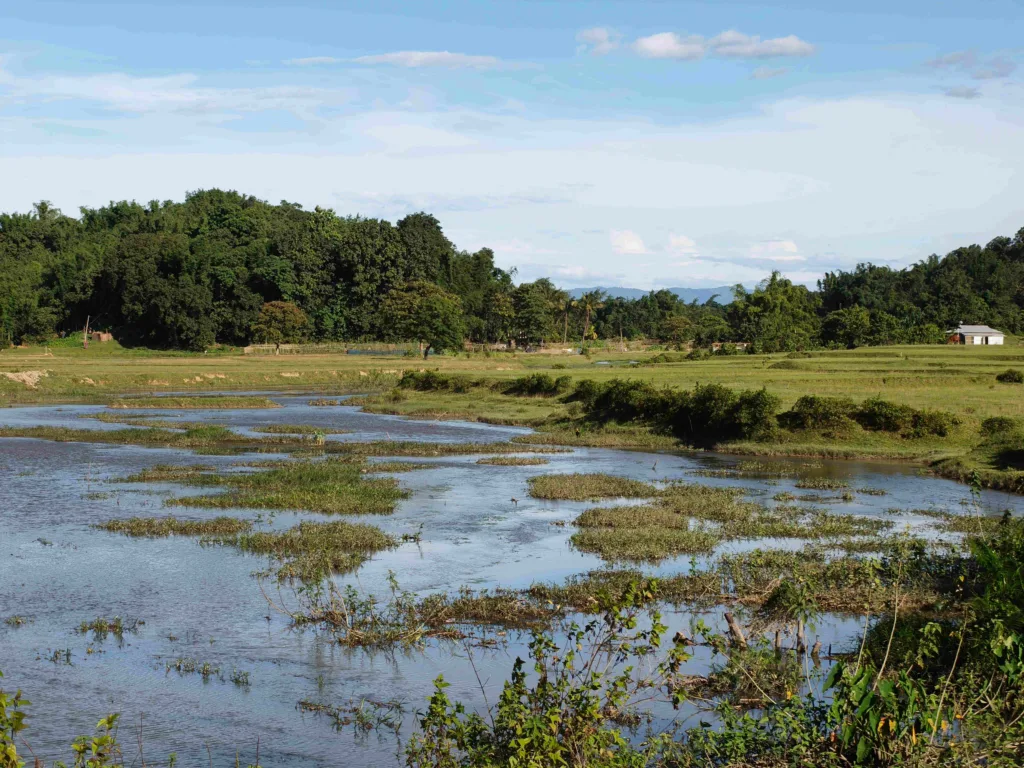
Majuli is a river island in Assam whose geography is shaped by the Brahmaputra.
Life on the island has long involved adapting to seasonal flooding, erosion and changes in the river’s channels. Agriculture, fishing and boat transport remain important to many communities.
Majuli is also known for its rich Assamese Vaishnavite heritage. Its satras, traditional performing arts, music and mask-making traditions form an important part of the island’s cultural identity.
The Brahmaputra therefore shapes not only Majuli’s landscape but also the way its communities live and work.
Sundarbans, West Bengal
The Sundarbans is one of the world’s largest mangrove delta systems, where rivers, creeks and tidal channels dominate the landscape.
Unlike a floating settlement, the Sundarbans represents a different form of life shaped by water. Villages exist in an environment where tides, erosion and changing water levels can directly affect homes and livelihoods.
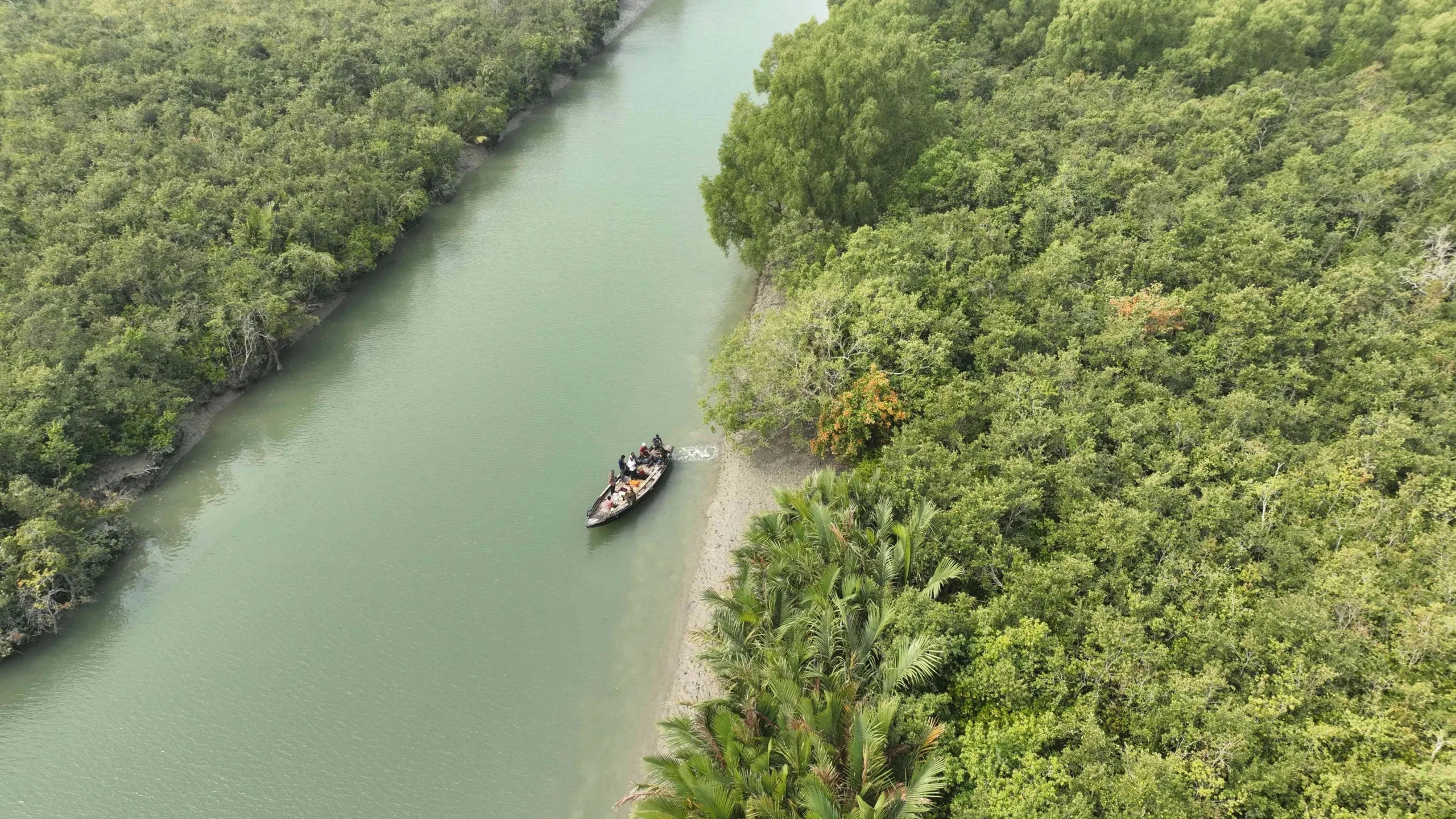
Waterways are another key way of transportation in several regions within the area. Fishing, crab catching, honey collecting and agricultural activities are all common here.
Also Read | What makes Mount Kailash so sacred? A detailed guide for the Himalayan pilgrimage
The area also poses certain environmental difficulties that need to be taken into account. Cyclones, floods, soil erosion, and saltwater intrusion may all impact human settlements and economic activity, thus adaptation becomes one of the necessary aspects of life.
Water is not only a background
In Loktak, Dal Lake, Majuli and Sundarbans, water may serve differently. It may be a source of food, a means of transportation, a place to grow crops or a factor that constantly changes the area’s shape.
These areas together give us an example of how Indian communities have created their own lifestyles in water-related areas.