



Sometimes, the best journeys begin with an escape rather than a plan.
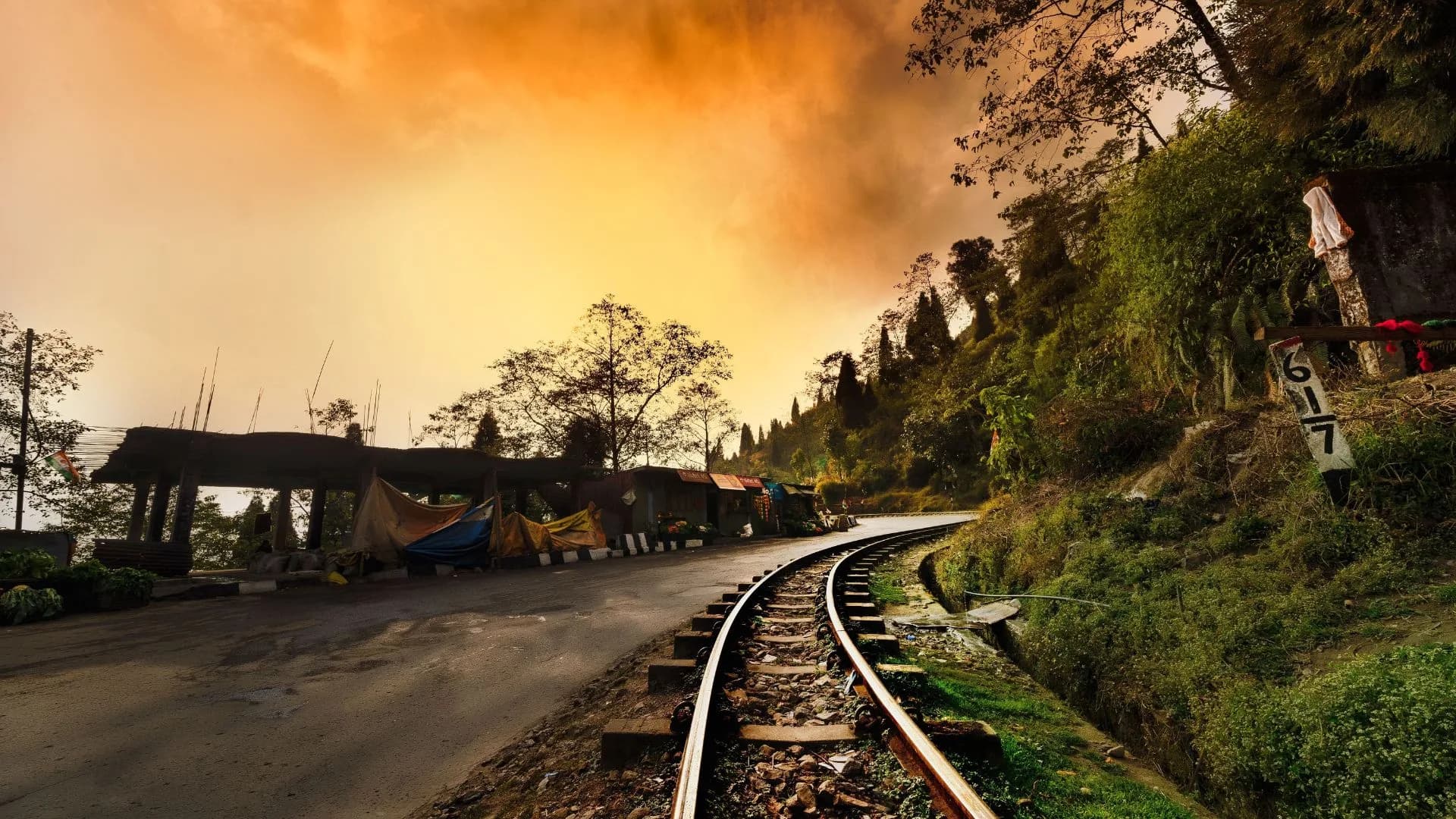
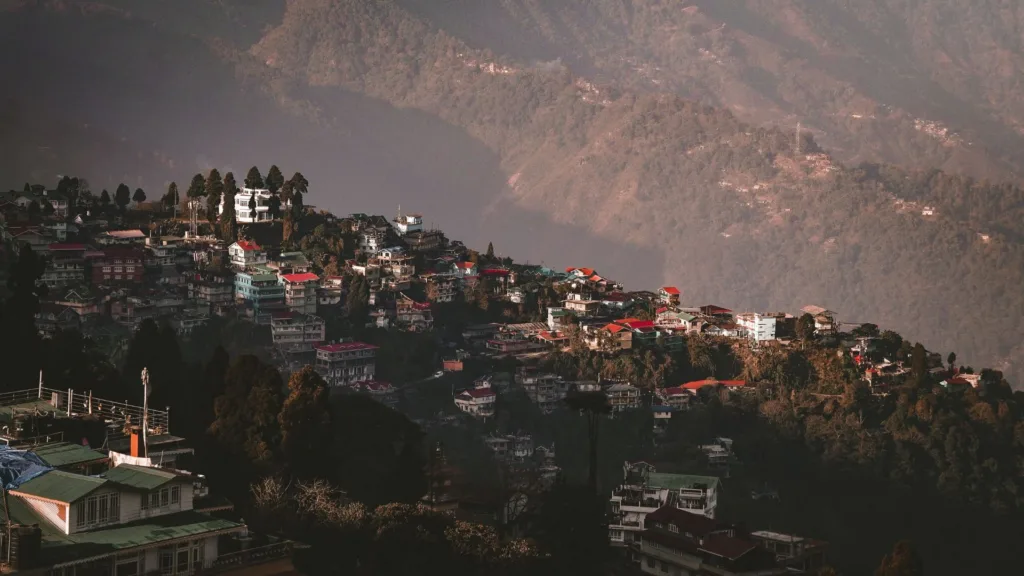
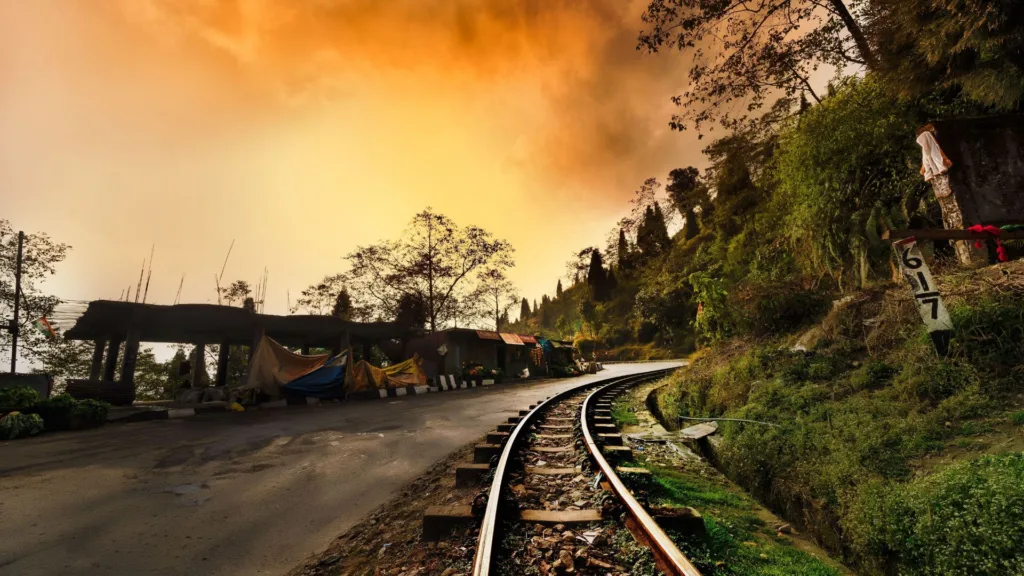
Three years ago, during the Durga Puja holidays, I travelled to Darjeeling, a place I have visited almost every year for decades. But this time felt different. It had been nearly 15 years since I had experienced the Queen of the Hills during Puja, and the overwhelming crowds made me fear that my affection for the town might slowly fade.
So I did something spontaneous. I decided to travel abroad.
That “foreign country” was Bhutan.
For me, travelling abroad has never been about ticking off distant countries or boarding long-haul flights. I still believe I haven’t fully explored India itself, let alone North Bengal. A lifetime isn’t enough to uncover every hidden corner of this region. For the last 46 years, I have happily lived with an incurable case of wanderlust, and perhaps that lifelong obsession with travel has kept my mind healthier than any medicine ever could.
Crossing into another world
Leaving Darjeeling behind, I drove towards Jaigaon, the bustling Indian town on the Indo-Bhutan border. As the hills slowly dissolved into the plains, the scenery transformed into endless tea gardens, dense forests and emerald-green fields.
It was mid-October.
Under a brilliant blue sky scattered with cotton-white clouds, I felt less like a tourist and more like a humble traveller approaching the kingdom of a benevolent king.
Nearly 200 kilometres later, the magnificent Dragon Gate appeared before me. Beyond it lay Phuentsholing—the welcoming gateway to Bhutan.
Also Read | When is the best time to visit Kalimpong? Here’s a season-by-season travel guide
The change was immediate.
Phuentsholing felt remarkably clean, peaceful and organised. Since travellers need an entry permit to venture beyond the town, most visitors spend a night there, and so did we. Our comfortable hotel cost around ₹2,500. We could have stayed more cheaply in Jaigaon, but spending the first night inside Bhutan felt like the perfect beginning.
That afternoon we explored the Crocodile Park, wandered through a fascinating cave park and ended the day at a beautiful monastery perched nearly 1,500 feet above the town. Watching Jaigaon merge into the vast Dooars plains from that height remains one of my favourite memories.
Eight hours to Thimphu
The next morning we set off for Thimphu.
The distance from Phuentsholing is only 172 kilometres, but Bhutan teaches you early that mountain roads measure journeys differently. Eight hours passed as every bend revealed another masterpiece, blue mountains fading into the horizon, mist-covered villages and valleys that seemed untouched by time.
Lunch came at a restaurant that felt suspended among the clouds. Sitting there, I couldn’t shake the feeling that we had briefly left the earth behind.
At nearly 8,000 feet above sea level, Thimphu strikes a rare balance between tradition and progress. Under King Jigme Khesar Namgyel Wangchuck’s leadership, the capital has managed to modernise without losing its cultural soul.
The city offers plenty to explore, the Royal Palace, the towering Buddha Dordenma overlooking the valley, the National Heritage Museum and the lively Clock Tower Square. Flowing quietly through it all is the Wang Chhu River, known as the Raidak River after crossing into India.
Punakha: Where history lives on
Our journey then took us to Punakha, Bhutan’s ancient capital until 1955.
Standing at the meeting point of the Mo Chhu and Pho Chhu rivers, Punakha Dzong is far more than a beautiful fortress. It was here that Ugyen Wangchuck was crowned Bhutan’s first king in 1907.
Surrounded by suspension bridges, waterfalls, forests and rolling mountains, Punakha carries an almost eternal springtime charm. It is the kind of place where history never feels trapped inside museum walls—it simply lives around you.
Paro and the monastery that defies gravity
About 55 kilometres from Thimphu lies Paro, another valley that feels almost unreal.
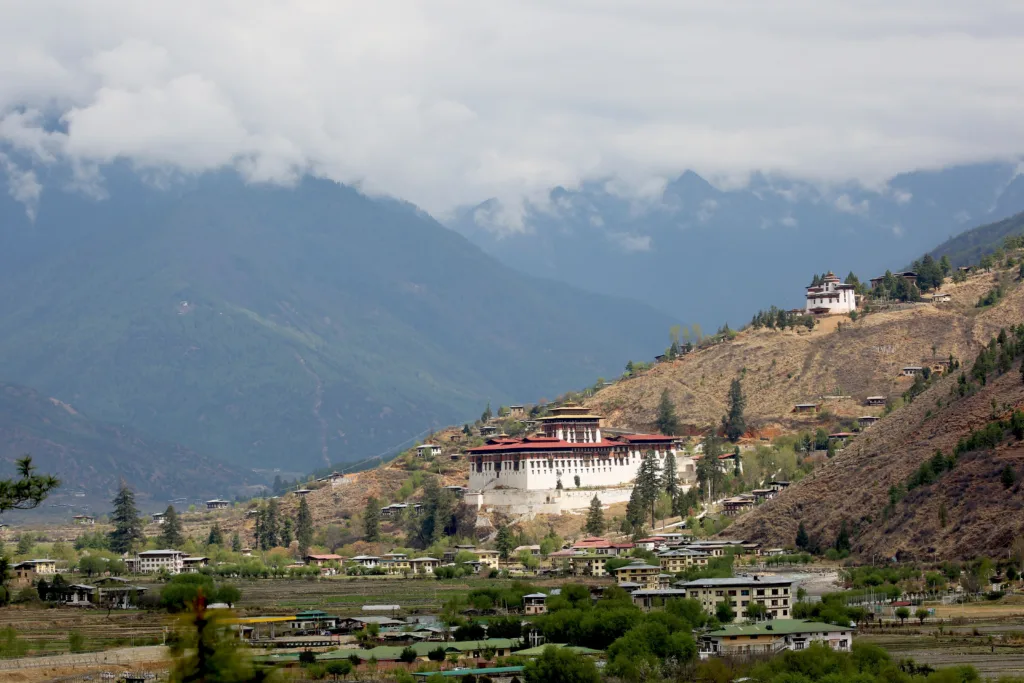
The town is home to Bhutan’s only international airport, widely regarded as one of the world’s most challenging airports because of its short runway and towering Himalayan peaks. Only specially trained pilots are permitted to land there.
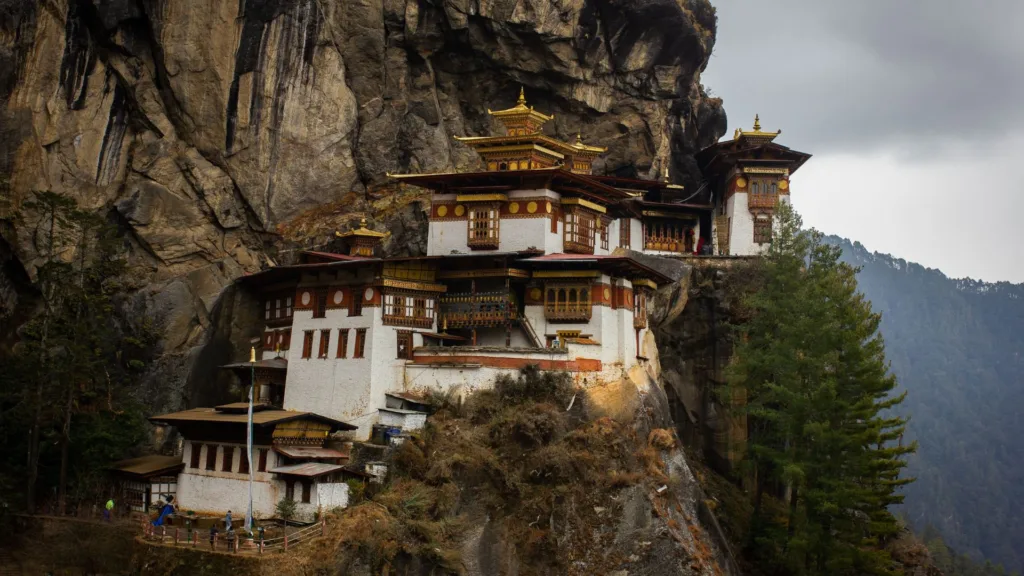
Paro’s Rinpung Dzong is an architectural masterpiece, but nothing prepares you for Tiger’s Nest Monastery.
Clinging dramatically to a steep cliff, Taktsang can only be reached by hiking or horseback. It is one of Bhutan’s holiest sites, and standing there, suspended between rock and sky, I understood why it has become the country’s most enduring symbol.
The magic of Bhutan’s mountain passes
Some of Bhutan’s most unforgettable moments happen on its roads.
Dochula Pass, sitting at around 10,300 feet, is breathtaking throughout the year. Winter blankets it in snow, while drifting clouds dominate the remaining seasons. The 108 memorial chortens standing against snow-capped Himalayan peaks create a view that lingers long after you’ve left.
Also Read | Sawan 2026: Planning a Jyotirlinga Yatra? Here’s a travel guide for you
Then came Chele La Pass.
At over 13,000 feet above sea level, the journey itself becomes the adventure. Snow-covered trees, frozen waterfalls and icy mountain winds welcomed us at every turn.
Even the warm clothes I had packed for Darjeeling suddenly felt inadequate.
The cold forced us to leave sooner than we wanted, but my heart wasn’t quite ready to descend.
Is Bhutan expensive?
Bhutan accommodates every kind of traveller.
Hotels begin at around ₹1,500 a night, while properties priced above ₹2,000 usually offer excellent comfort and hospitality. Food is comparatively expensive, but the country’s cleanliness, peaceful atmosphere and warm hospitality make every rupee feel worthwhile.
How many days are enough for Bhutan?
In my experience, seven days are the minimum needed to appreciate Bhutan properly.
But if you truly want to understand its monasteries, mountain villages, rivers and gentle people, even a month feels surprisingly short.
Bhutan isn’t simply another country to visit. It is a place where happiness seems measured less by wealth than by smiles, serenity and simplicity. Every journey there leaves me with more than photographs, it leaves me with a quieter mind and a gentler heart.
Perhaps that is Bhutan’s greatest gift. You arrive hoping to discover a beautiful country, and somewhere along the way, you end up rediscovering yourself.
Author: Parthamoy Chatterjee